Reviewed · TOURS
Dusk Discovery Tour
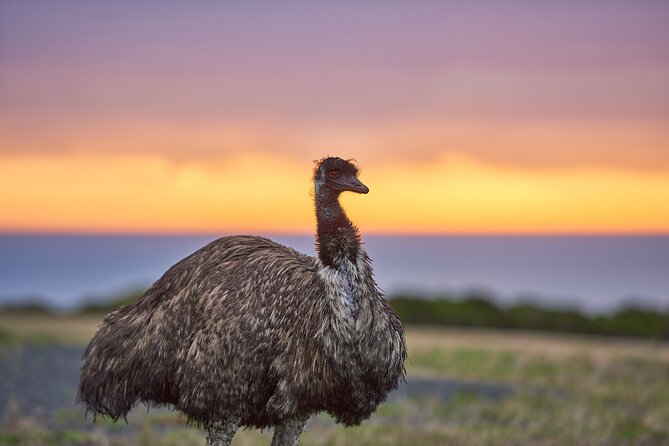
At dusk, the Otways change shifts. Potoroos, bandicoots, and pademelons begin feeding and foraging as day-active animals settle down, giving you a better chance to see native wildlife behaving naturally. I like the open setting, where animals are not kept in cages, and the small group of no more than 10 people makes the 1.4km walk feel personal.
I also like the conservation purpose. Wildlife Wonders puts 100% of its profits toward conservation and research into threatened Australian species, so your $68.14 ticket supports more than a pleasant evening out. The main consideration is timing: this is a dusk experience, and poor weather can lead to a cancellation or a change of date.
In This Review
- Key points at a glance
- Why dusk is the right time for the Otways
- Following the 1.4km path through Wildlife Wonders
- Sunset views and wildlife photography
- What makes the cage-free setting different
- The role of the conservation guide
- A local mezze plate with beer or wine
- Is $68.14 good value?
- Who will enjoy this dusk walk most?
- Practical details to know before booking
- Should you book the Dusk Discovery Tour?
- FAQ
- Where does the Dusk Discovery Tour start?
- Where does the experience finish?
- How long does the tour last?
- How far is the walking route?
- How many people can join the tour?
- What wildlife might I see?
- What happens if the weather is poor?
Key points at a glance
- Dusk brings a change in animal activity: Nocturnal animals wake for the night while day-active species look for places to rest.
- The walk covers 1.4km: You follow a winding path through several Otways habitats during a 90-minute guided outing.
- The group is capped at 10 people: That gives you more room to ask questions and photograph wildlife without a crowd.
- The setting is cage-free: Animals live in a natural habitat and go about their daily routines.
- Sunset and supper are part of the evening: You receive a mezze plate of local food with beer or wine.
- Your ticket supports conservation: All profits go toward research and conservation work for threatened Australian species.
Why dusk is the right time for the Otways
Wildlife Wonders uses the hour around sunset to show you a different side of the Otways. This is not simply a daytime walk pushed later on the clock. Dusk is a handover period, when animals with different routines become active at the same time.
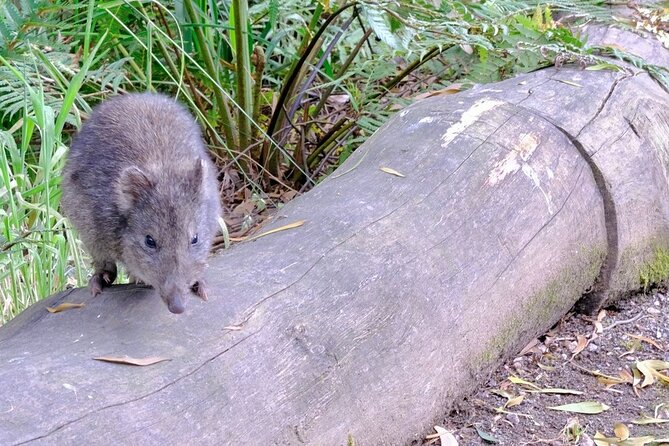
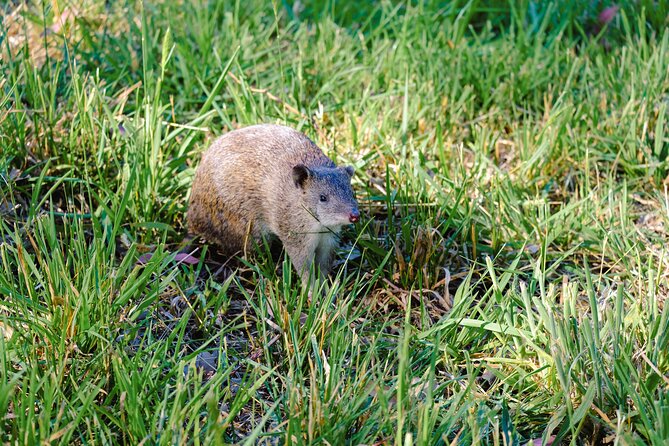
Potoroos, bandicoots, and pademelons are among the animals you might see beginning their evening feeding. These creatures are often hard to spot because they are shy and most active when light is fading. At the same time, animals that have been active during the day are looking for their preferred resting places.
That changing rhythm gives the walk its purpose. You are not being taken from one enclosure to another, waiting for an animal to perform. You are following a path through habitat and watching for signs of ordinary animal life: movement, feeding, or a quick appearance at the edge of the track.
I would choose this outing if you want a more natural wildlife experience than a standard zoo visit. You need to accept that wildlife sightings can never be fully controlled. The reward is that anything you see is taking part in its own routine rather than being placed in front of you.
Other Great Ocean Road days people pair with this one:
- Great Ocean Road Reverse Itinerary PREMIUM Tour – Max 11 Guests
★ 5.0 · 714 reviews - 2-Hour Deep Blue Hot Springs in Warrnambool
★ 4.5 · 160 reviews - Walk with Wildlife: Guided Tour in Great Ocean Road
★ 5.0 · 148 reviews
Following the 1.4km path through Wildlife Wonders
The experience begins at Wildlife Wonders, 475 Great Ocean Road, Apollo Bay, Victoria 3233. The tour lasts about 90 minutes and ends back at the same meeting point, so you do not need to arrange a separate return transfer.
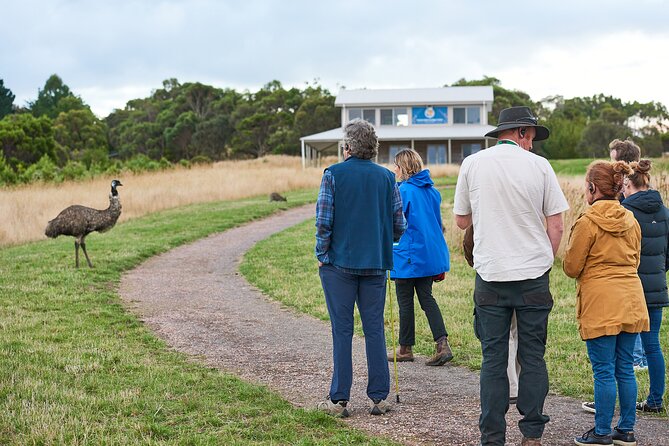
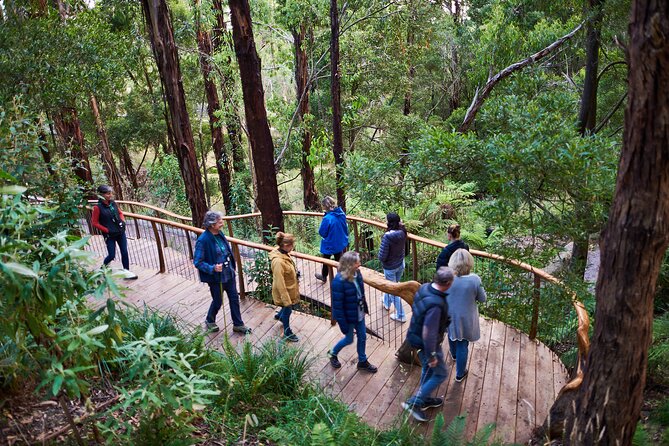
The route winds for 1.4km through a range of habitats. That distance is long enough to give you a real walk, but short enough to fit comfortably into an evening schedule for most people. The path itself is the main itinerary, with the surroundings and wildlife changing as you move through the sanctuary.
Your conservation guide provides context about the Otways and the animals that live there. The most useful part of this format is the chance to ask about what you are seeing at the moment. If Zoe is leading your outing, you can expect a guide whose passion for Australian wildlife comes through clearly and helps make the walk more engaging.
Because the group is limited to 10 people, you should have a better chance of hearing the guide and getting a clear view when the group pauses. A small group also helps with photography. You are less likely to have a long line of people moving into the same frame, although wildlife itself remains unpredictable.
The path is winding rather than a straight walk from one feature to the next. I would allow your attention to move slowly. Look into the habitat, listen for movement, and give the guide time to point out animals that may not be obvious at first glance.
Sunset views and wildlife photography
Sunset is a second reason to book this particular departure. The walk includes time for spectacular sunset photo opportunities, so you are combining a wildlife outing with a scenic evening stop.
The fading light can make photography more difficult. That is part of the tradeoff. A bright afternoon may be easier for clear animal pictures, but dusk offers the chance to see more activity and produces a softer setting for photographs. If you bring a camera or phone, be ready to photograph quickly and quietly when an animal appears.
The small group helps here, but this is not a dedicated photography workshop. The tour is designed around wildlife viewing, conservation interpretation, and the evening setting. You should not expect a guaranteed close-up photograph of every animal named in the description.
I would recommend keeping your expectations realistic. The best photo may be a sunset over the sanctuary, a glimpse of an animal feeding, or a quiet scene that shows the habitat rather than a perfectly framed portrait. The experience rewards patience more than rapid picture-taking.
What makes the cage-free setting different
Wildlife Wonders presents its animals in a natural habitat without cages. That changes the way you experience the sanctuary. You are not walking through a series of displays with an animal waiting at a predictable viewing point. Instead, you are given access to a protected setting where wildlife can move through its daily routines.
This is especially meaningful in the Otways, where introduced predators such as foxes and cats have affected native wildlife. The sanctuary offers a glimpse of what this habitat was like before those predators arrived. The setting also supports the wider conservation work funded by the experience.
I like this approach because it makes the walk feel less like collecting animal sightings and more like learning how a local ecosystem works. You may see less than you would in a traditional animal park, but what you do see has greater context.
That difference matters most if you care about conservation or want to introduce children and overseas visitors to Australian wildlife in a respectful way. A wildlife walk can also be a good fit for photographers who prefer natural behavior over staged viewing.
Same city, a completely different day out:
- Two Hour Surf Lesson in Torquay on the Great Ocean Road
★ 4.5 · 115 reviews - Learn to Surf at Torquay on the Great Ocean Road
★ 5.0 · 110 reviews - Learn to Surf at Anglesea on the Great Ocean Road
★ 5.0 · 107 reviews - 2-Hour Private Surfing Lesson in Torquay
★ 5.0 · 72 reviews
The role of the conservation guide
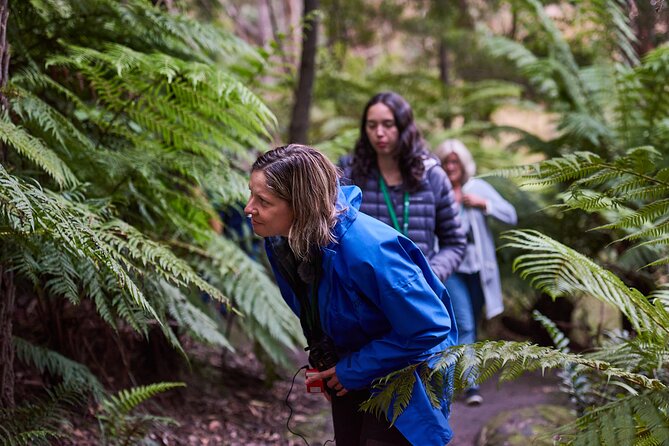
The guide is central to the experience. Without an informed explanation, a dusk walk could become a quiet stroll with occasional glimpses of movement. The conservationist leading the group helps you understand which animals are active, why they are active at that hour, and how the sanctuary protects them.
A guide can also help you notice animals that blend into their surroundings. Potoroos, bandicoots, and pademelons are not the sort of wildlife you can always spot from a distance. Your guide’s observations may be more valuable than simply walking faster and hoping to see something.
The guide also gives the outing a human connection. Zoe, named in the available feedback, was described as passionate about the animals and their habitat. That matters because enthusiasm is useful on a wildlife walk. It encourages you to slow down, pay attention, and treat small sightings as worthwhile.
I would ask questions as you go. The group size is small enough that this should be practical, and the 90-minute format leaves room for conversation without turning the outing into a formal lecture.
A local mezze plate with beer or wine
The experience includes a mezze plate of local delights, along with beer or wine. This is a welcome touch after or during the dusk walk, especially if you have spent the day driving the Great Ocean Road and want a relaxed evening activity rather than another large attraction.
The food is not described as a full dinner, so I would treat it as a light local tasting rather than a meal replacement. If you need a substantial dinner, plan one separately. The inclusion is best viewed as part of the evening atmosphere and a chance to enjoy regional food and a drink after the wildlife walk.
This also helps set the pace. You are not being rushed straight back to your car after the final animal sighting. Instead, the experience includes time to enjoy a small selection of local produce and reflect on the walk.
Beer or wine is included, but you should consider your wider driving plans. The meeting point is on the Great Ocean Road in Apollo Bay, and the tour ends there. The supplied information does not include transport, so you should arrange your own way to and from Wildlife Wonders and plan responsibly if you choose the alcoholic drink.
Is $68.14 good value?
At $68.14 per person, this is not the cheapest way to spend 90 minutes near Apollo Bay. You are paying more than an ordinary self-guided walk, but the ticket includes several parts that are difficult to arrange independently.
You receive entry to the sanctuary at a special time of day, a conservation guide, a 1.4km guided route, sunset viewing, and a mezze plate with beer or wine. The group limit of 10 is also important. A larger commercial wildlife tour could offer a lower price, but it would not necessarily give you the same quiet setting or access to the guide.
The conservation contribution is part of the value. Wildlife Wonders directs 100% of its profits to conservation and research involving threatened Australian species. If supporting that work matters to you, the price carries a clear purpose beyond entertainment.
I think the ticket is strongest for people who value a small group and a conservation-led experience. It is less compelling if your main goal is a guaranteed close-up photograph or a long list of animal sightings. Nature does not work on a schedule, and the price cannot change that.
The 5-plus bookings recorded for the previous month suggest steady interest, but it is still worth booking ahead if your Great Ocean Road plans are fixed. The group limit means there are only 10 places on each tour.
Who will enjoy this dusk walk most?
I would recommend the Dusk Discovery Tour to:
- People visiting the Great Ocean Road who want more than roadside scenery
- Overseas visitors looking for native Australian animals in a natural setting
- Families and couples who prefer a small, guided experience
- Wildlife photographers who enjoy sunset light and patient observation
- People who want their admission fee to support conservation
- Visitors with about 90 minutes available in the Apollo Bay area
It also suits anyone who enjoys learning while walking. You do not need to be an expert in Australian wildlife. The guide provides the setting, and the short route keeps the outing manageable.
The experience may be less suitable if you need a fully scheduled wildlife show, guaranteed sightings, or a completely weather-proof activity. Dusk conditions can change, and poor weather may cause the tour to be canceled or moved.
Practical details to know before booking
Your confirmation arrives at the time of booking, and the experience uses a mobile ticket. The meeting point is 475 Great Ocean Road, Apollo Bay VIC 3233, Australia. The activity returns to this same point, and transport is not listed as part of the experience.
Most people can participate, but the supplied details do not give a specific accessibility description for the winding 1.4km path. If you have mobility concerns, contact Wildlife Wonders before booking and ask about the route.
The tour requires good weather. If conditions are poor, you will be offered another date or a full refund. The experience also requires a minimum number of participants, so a cancellation for that reason brings the same choices of another date, another experience, or a full refund.
You can cancel for a full refund up to 24 hours before the local start time. Cancellations or changes made inside that 24-hour window are not accepted for a refund, so keep your Great Ocean Road schedule flexible enough to protect the booking.
Should you book the Dusk Discovery Tour?
I would book it if you want a quiet, conservation-focused wildlife walk and you like the idea of seeing Australian animals at the moment their activity changes. The small group, 1.4km route, sunset setting, and local mezze plate give the evening more character than a basic sanctuary admission.
The strongest reason to choose it is the combination of natural behavior and conservation purpose. You may see potoroos, bandicoots, pademelons, and other wildlife, but you are not promised a fixed list. You are paying for access, guidance, habitat protection, and a thoughtful way to spend dusk in the Otways.
Skip it if you need certainty, indoor shelter, or a full dinner. For most people who have 90 minutes near Apollo Bay and care about native wildlife, the $68.14 price is fair, especially with all profits supporting threatened-species research and conservation.
FAQ
Where does the Dusk Discovery Tour start?
The tour starts at Wildlife Wonders, 475 Great Ocean Road, Apollo Bay VIC 3233, Australia.
Where does the experience finish?
The activity ends back at the original meeting point at Wildlife Wonders.
How long does the tour last?
The Dusk Discovery Tour lasts approximately 1 hour and 30 minutes.
How far is the walking route?
The guided route covers approximately 1.4km along a winding path through several habitats.
How many people can join the tour?
The tour has a maximum of 10 participants.
What wildlife might I see?
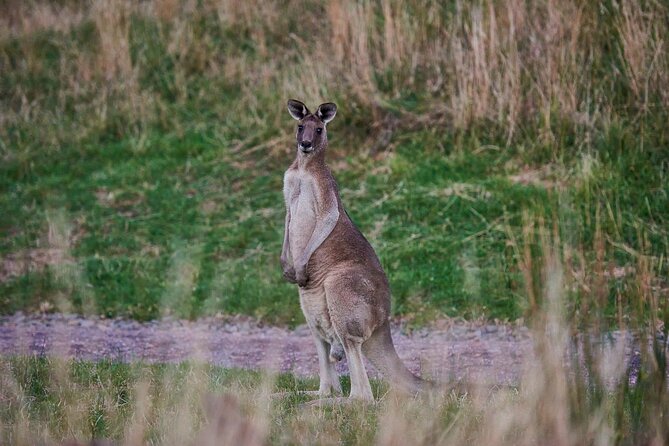
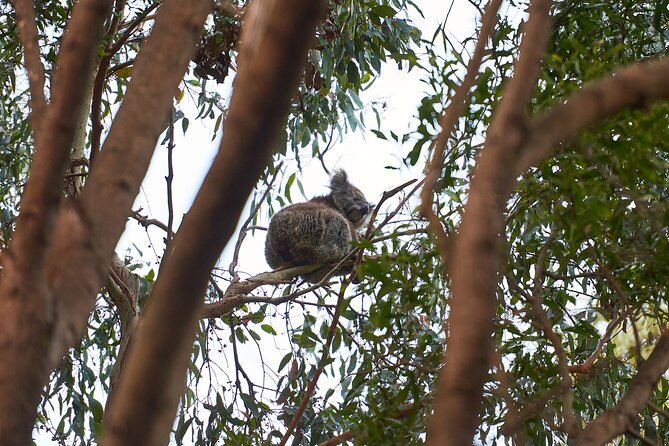
You might see potoroos, bandicoots, pademelons, and other animals living in the Otways habitat. No specific animal sighting is guaranteed.
What happens if the weather is poor?
If the experience is canceled because of poor weather, you will be offered a different date or a full refund.
Recently added around Great Ocean Road
- Great Ocean Road: Kayaking with Seals Tour★ 4.6 · 3 reviews
- Melbourne: Great Ocean Road Tour with Maxi Highlights in One Day★ 3.0 · 4 reviews
- Scenic Great Ocean Road Discovery Tour – Iconic Coastal Wonders★ 4.5 · 5 reviews
- 2 Hour Adults Only, Learn to Surf Lesson in Torquay/Anglesea★ 5.0 · 6 reviews
- Self-Guided Audio Driving Tour of the Great Ocean Road, Australia★ 4.5 · 6 reviews
- Paint and Sip in Torquay VIC – BYO food and drinks★ 5.0 · 8 reviews
- 3-Day Melbourne to Adelaide Tour Including the Great Ocean Road★ 5.0 · 10 reviews
- Melbourne: Great Ocean Road & Iconic Coastal Views Day Tour★ 4.5 · 16 reviews
Tours, compared.
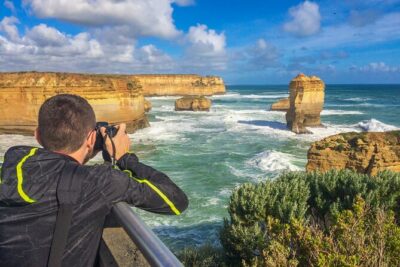
Great Ocean Road Small-Group Eco Tour from Melbourne
Read our review →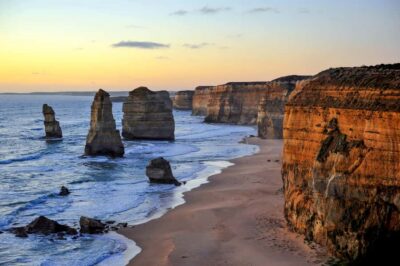

Laid back, Yarra Valley Wine Tour: Wine, Cider, Gin, Beer + Choc
Read our review →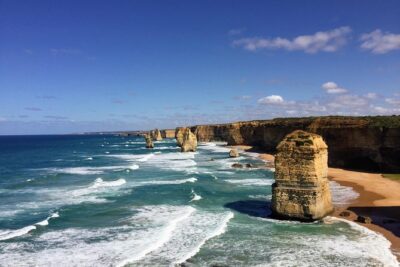
Great Ocean Road Reverse Itinerary Boutique Tour – Max 11 Guests
Read our review →
Penguin Parade, & Wildlife Encounters Eco Tour from Melbourne
Read our review →
Yarra Valley Wine, Gin, Whisky and Chocolate Tour
Read our review →
Great Ocean Road Tour w/ Deluxe Minibus & Top-Rated Guide
Read our review →