
Reviewed · WALKING TOURS
Icons of Melbourne Walking Tour
Melbourne reveals itself in layers: grand old buildings, rough-edged laneways, serious coffee, and street art that changes with the week. This two-hour walking tour connects those pieces without treating the city like a list of photo stops. I like the mix of history and daily life, and I like that the route ends at Federation Square, where you can continue exploring on your own. The main consideration is pace: two hours goes quickly, so this is an introduction rather than a full survey of Melbourne.
I also like the small group, capped at 10 people, and the local focus of guide Rhonda, whose enthusiasm for Melbourne comes through clearly. You will walk in all weather, and there is no bag storage, so wear sensible shoes and bring only what you want to carry.
In This Review
- Key points at a glance
- Starting at State Library Victoria
- Churches and the people who shaped Melbourne
- Collins Street’s Paris End and Swanston Street’s energy
- Laneways, Hosier Lane, and AC/DC Lane
- Melbourne’s cafés, coffee, and hidden bars
- Old buildings beside bold new design
- Ending at Federation Square
- What $68 buys you
- Who will enjoy this Melbourne walk
- Timing, weather, and practical details
- Should you book the Icons of Melbourne Walking Tour?
- FAQ
- Where does the Icons of Melbourne Walking Tour begin?
- Where does the tour finish?
- How long does the tour last?
- What language is the tour conducted in?
- How many people are in the group?
- Is the tour wheelchair accessible?
- What should I bring?
Key points at a glance
- Start beneath the State Library’s famous dome: Begin near the Swanston Street steps at one of central Melbourne’s most impressive public buildings.
- Follow Melbourne’s story from gold rush to coffee culture: The tour links early prosperity, migration, architecture, cafés, and modern city life.
- See churches, arcades, and street art together: The route moves between old religious buildings, elegant streets, laneways, and bold murals.
- Hear about the people behind the city: Activists, artists, entrepreneurs, and everyday Melburnians all have a place in the story.
- Finish at Federation Square: End at the corner of Swanston and Flinders Streets, close to Flinders Street Station.
- Keep the group personal: With no more than 10 participants, it should be easier to ask questions and stay connected to the guide.
Starting at State Library Victoria
Meet near the steps of State Library Victoria on Swanston Street. Melbourne Central Station is the closest train station to the start, which makes the meeting point easy to reach if you are staying in the city center.
The library is a smart place to begin. Its grand exterior and famous dome immediately show you that Melbourne takes public culture seriously. Inside and around the building, you get a sense of the city’s early ambition. This was not simply a small colonial outpost forever. The gold rush brought money, newcomers, and a strong desire to build a major city.
Your guide uses the library and its surroundings to explain Melbourne’s early years. That context matters because many later parts of the walk make more sense once you understand where the city’s confidence came from. The fine buildings, ambitious streets, churches, and commercial arcades were not accidents. They reflect a period when Melbourne had money to spend and wanted the world to notice.
The tour does not promise an extended interior visit or a full guided tour of every reading room. Instead, expect the library to serve as the opening chapter and meeting landmark. If you want time to study the building at leisure, plan to return after the walk.
More walking tours in Melbourne:
- Ultimate Melbourne Walking Tour: History, Laneways & Culture
★ 5.0 · 1,451 reviews - Great Ocean Road Tour Plus Koalas, Forest Walk and Morning Tea
★ 4.5 · 1,068 reviews - Great Ocean Road 12 Apostles & Rainforest Walk with Morning Tea
★ 4.5 · 549 reviews
Churches and the people who shaped Melbourne
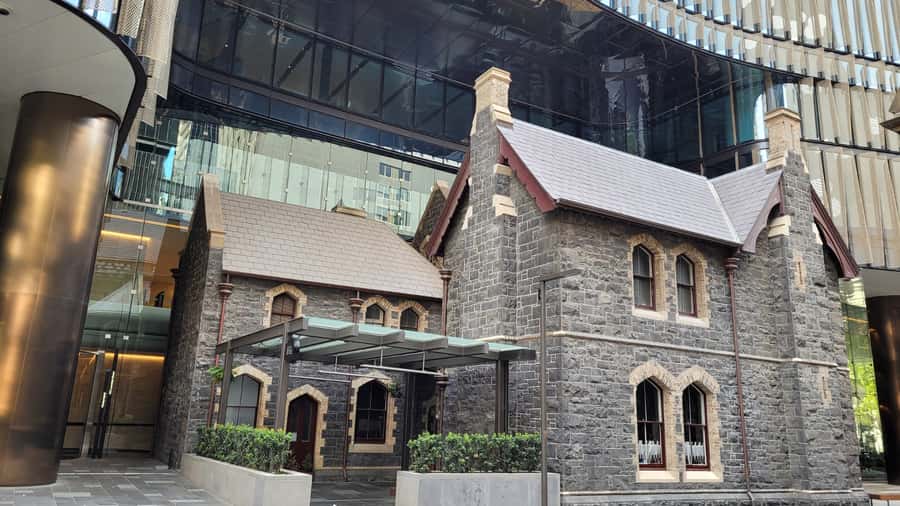
From the library, the route moves through central streets and toward historic churches, including St Francis’ Church. This is the oldest Catholic church in Victoria, giving the guide a useful starting point for stories about faith, settlement, and the communities that built Melbourne.
The church stop adds a human side to the city’s architecture. You are not just looking at stone, windows, and old doors. You are hearing about the people who needed these places, funded them, worshipped in them, and helped shape the city around them.
The tour also brings in influential Melburnians. The focus includes activists, artists, entrepreneurs, and ordinary people whose actions affected the city. That range is important. Melbourne’s story is not presented as the work of only wealthy builders or famous politicians. It also includes people who pushed for change and helped define the city’s character.
You should expect storytelling rather than a long lecture. The guide’s job is to connect the place in front of you with the wider story. Rhonda has been praised for being funny, friendly, and engaging, which should help keep these historical sections moving for younger visitors and adults alike.
Collins Street’s Paris End and Swanston Street’s energy
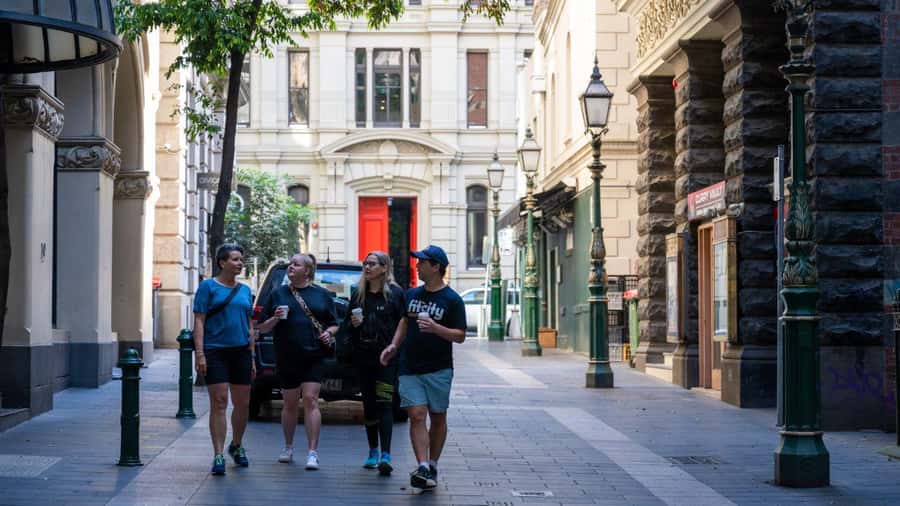
One of the tour’s useful contrasts is the move from Collins Street’s elegant Paris End to Swanston Street. These streets show two very different sides of central Melbourne.
The Paris End is associated with grand architecture and a more formal city image. Here, you see how Melbourne presented itself as prosperous and worldly. The buildings help explain the city’s taste for ornate design and its links to business, trade, and public life.
Swanston Street brings a different mood. It is tied to music, protest, and pop culture, so the focus shifts from polished facades to the ways people use the city today. That change gives you a better feel for Melbourne than a route made only of old buildings.
I like this part because it avoids a common city-tour problem: treating history as something finished. Melbourne’s past and present sit close together. A beautiful older building can share the same few blocks with student life, street performance, public demonstrations, and modern shops.
The route is mostly central and urban. You should be comfortable walking on city streets for two hours, with stops for explanation along the way. Comfortable shoes are a practical choice, and a water bottle is sensible. Refill stations are available along the route.
Laneways, Hosier Lane, and AC/DC Lane
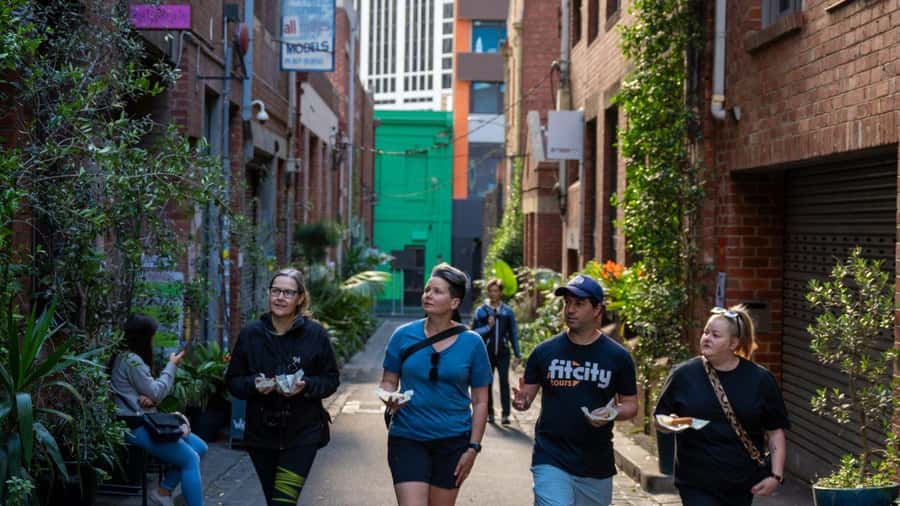
Melbourne’s laneways are a major reason to choose this tour. They offer a sharp change from the broad main streets, and they show the city’s creative side in a more direct way.
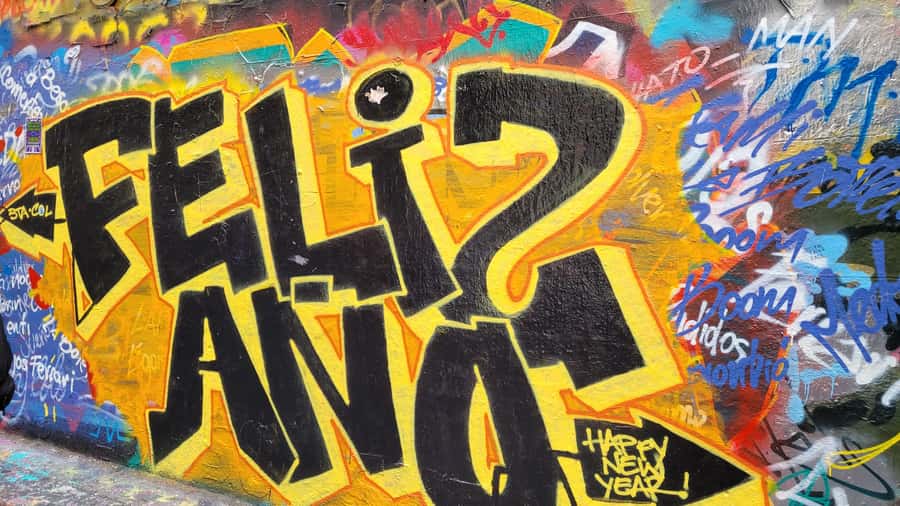
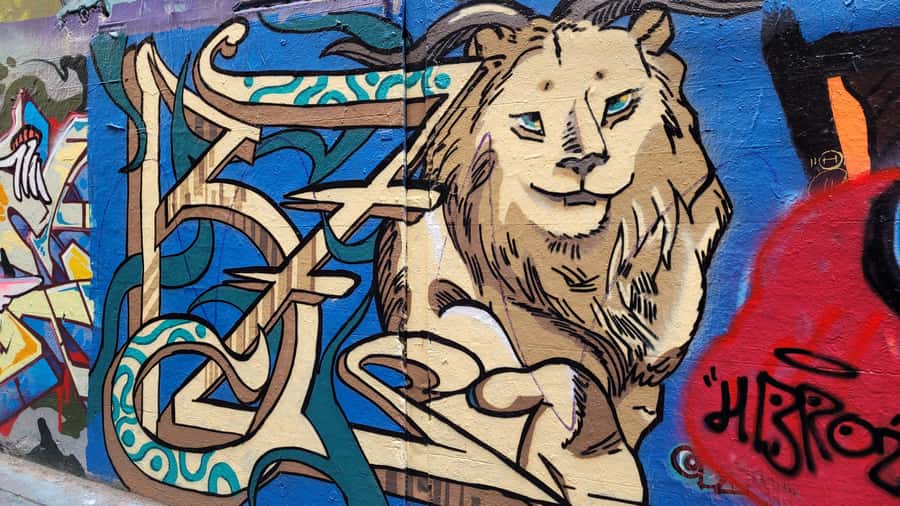
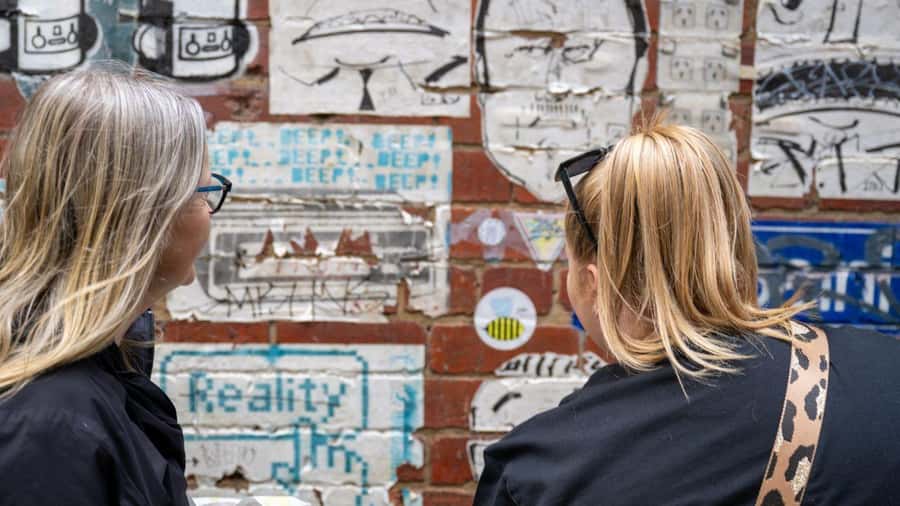
The route includes street-art areas such as Hosier Lane and AC/DC Lane. These spaces are not presented only as colorful backdrops. The art can carry social commentary and give different communities a way to speak in public. Paintings and paste-ups change over time, so even a return visit may look different.
A guide adds value here because it is easy to walk through a laneway, take a picture, and miss the point. You will learn how these narrow spaces became part of Melbourne’s cultural identity and why the art matters beyond its visual appeal.
There is also a practical benefit. A local guide can help you notice side streets and small details that you might pass without stopping. The tour does not promise a complete survey of every lane or mural, but it gives you a well-chosen introduction.
Keep your expectations realistic. Street art is temporary, and the exact pieces you see will depend on when you visit. The appeal is the changing public artwork and the city’s openness to it, not a fixed museum collection.
Same city, a completely different day out:
- Great Ocean Road Small-Group Eco Tour from Melbourne
★ 5.0 · 6,607 reviews - From Melbourne: Great Ocean Road, 12 Apostles, Wildlife Tour
★ 4.7 · 6,020 reviews - Laid back, Yarra Valley Wine Tour: Wine, Cider, Gin, Beer + Choc
★ 5.0 · 4,552 reviews - Great Ocean Road Reverse Itinerary Boutique Tour – Max 11 Guests
★ 5.0 · 4,186 reviews
Melbourne’s cafés, coffee, and hidden bars
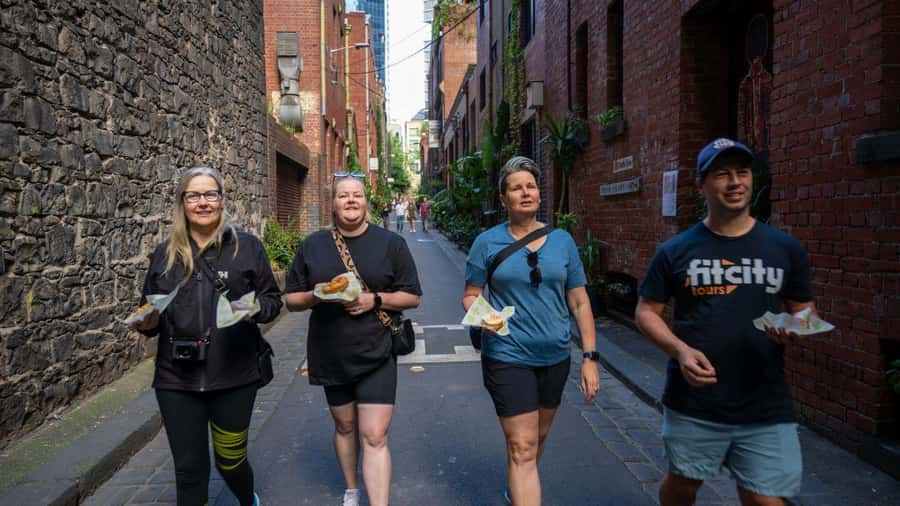
No central Melbourne walk would feel complete without talking about coffee. The tour includes a stop at a local café or hidden bar and explains how Melbourne became known for its coffee culture.
The story connects post-war migration with later third-wave roasting. That makes the café discussion more useful than a simple recommendation for a good cup. Coffee reflects the way Melbourne changed as new communities arrived, opened businesses, and influenced the city’s habits.
You should check the tour details at booking if you need to know whether a drink or purchase is included. The information confirms a stop at a café or hidden bar, but it does not promise a complimentary coffee, tasting, or bar entry.
The guide also shares suggestions for places to eat and drink after the tour. This is one of the most useful extras for a short city walk. You can ask for ideas that fit your plans and then use the advice right away, since the tour ends in the center.
I would treat the café and bar portion as a chance to understand Melbourne’s social life, not as a food tour. If you want a full tasting experience, you will need a different activity. If you want context and a few good leads for later, this stop fits the tour well.
Old buildings beside bold new design
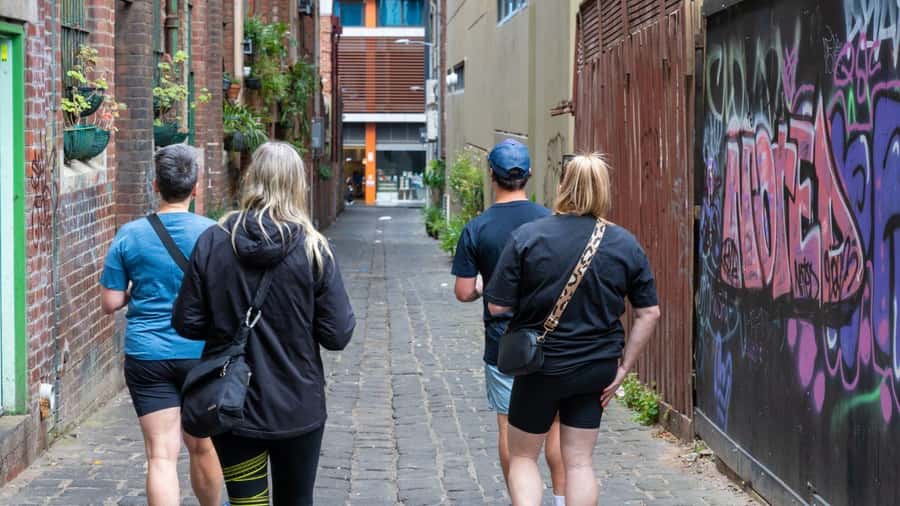
The architecture is strongest when the tour shows old and new together. Preserved heritage buildings sit near contemporary designs, and the contrast explains part of Melbourne’s appeal.
You will see how the city keeps older structures while also making room for experimental forms. That balance is not always tidy, but it gives central Melbourne its particular look. A historic church, a commercial arcade, a painted lane, and a modern public building can all appear within a short walk.
The guide’s stories help tie those buildings to the people and events behind them. You are likely to get more from the architecture if you enjoy questions such as who built this, why does it look this way, and how is the space used now.
The tour is also a good fit if you prefer seeing a city at street level. You are not being driven past landmarks through a vehicle window. You are moving through the spaces between them, where cafés, walls, shops, and public squares show how Melbourne works day to day.
Ending at Federation Square
The walk concludes at Federation Square, at the corner of Swanston and Flinders Streets. Flinders Street Station is the nearest train station at the finish, so the ending point is convenient for getting elsewhere in the city.
Federation Square is a fitting final stop because it represents Melbourne’s modern public face. After the library, churches, older streets, and heritage buildings, you finish in a cultural precinct known for contemporary design and public activity.
The ending also gives you options. You can continue exploring from Federation Square, use the nearby transport, or follow the guide’s suggestions for food and drink. Since the tour does not return to the starting point, plan your day around finishing near Flinders Street rather than State Library Victoria.
This point-to-point format is useful if you are building a day around central Melbourne. It is less convenient if you need to return immediately to luggage or a parked car near the library.
What $68 buys you
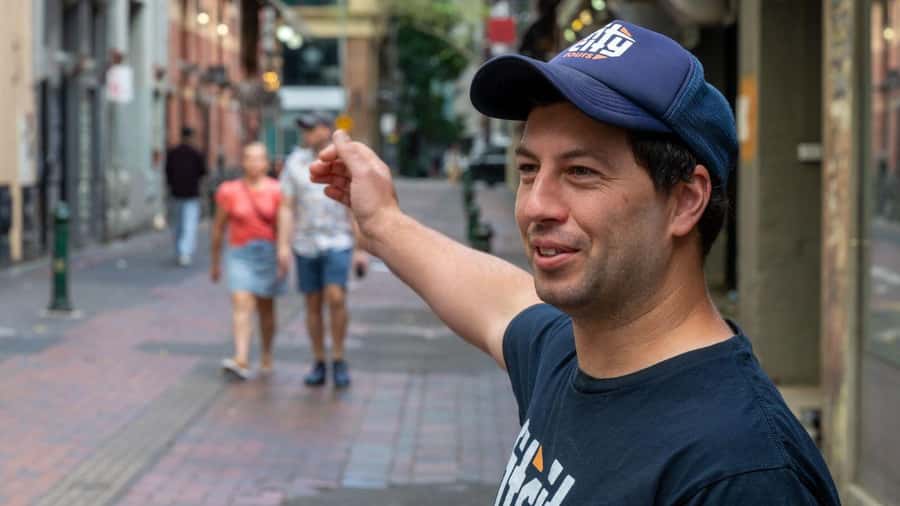
At $68 per person, the tour costs $34 per hour. That is not the cheapest way to walk around central Melbourne, since you can see many streets and public buildings without a guide. The value comes from the connections: gold rush wealth, churches, famous residents, street art, coffee, architecture, and Federation Square are treated as parts of one story.
The group limit of 10 is important. A small group usually makes it easier to hear the guide, ask questions, and stay with the route in busy streets. You are also paying for local interpretation rather than simply following a map.
The price includes a live English-speaking guide, access to photos taken during the tour, and tips for places to explore, eat, and drink afterward. It does not state that food, coffee, or bar drinks are included, so budget separately if you want to buy something during the stop.
For a first day in Melbourne, I think the price can make sense, especially if you use the recommendations later. For repeat visitors or people who prefer exploring independently, the cost may be harder to justify. The tour works best when you want a quick orientation with personality, not a formal museum-style presentation.
Who will enjoy this Melbourne walk
This experience suits you if you want several sides of Melbourne in a short time. It is especially useful early in a visit, when you are still working out where to eat, which streets to revisit, and how the city’s center fits together.
The mix also works well for families with older children and teenagers. The content moves between street art, architecture, history, folklore, music, and coffee, rather than staying on one subject. The young adults in one group, aged 18 and 20, enjoyed it alongside their parents, which suggests the format has broad appeal.
You may want a different activity if your main goal is a long interior visit to the State Library, a full meal, or an extensive street-art workshop. This is a guided overview with selected stops. It gives you ideas and context, then sends you off to explore further.
The tour is wheelchair accessible, but the provider asks anyone with specific accessibility needs to contact them in advance. That is sensible for a walking route through streets and laneways. Tours run rain or shine, so dress for the forecast and bring suitable footwear.
Timing, weather, and practical details
The tour lasts two hours and runs in English. Starting times vary, so check availability when booking.
Wear comfortable clothing and shoes. Bring a water bottle, since refill stations are available along the route. An umbrella or rain jacket may be useful because the walk operates in wet weather as well as sunshine.
There are no facilities for storing bags. Keep your belongings manageable, particularly if you plan to continue sightseeing afterward. Melbourne’s central streets are easy to reach by train, with Melbourne Central near the beginning and Flinders Street near the end.
You can cancel up to 24 hours before the tour for a full refund, and the reserve-now, pay-later option gives you some flexibility while your plans are still changing.
Should you book the Icons of Melbourne Walking Tour?
Book it if you want a compact, local-led introduction to Melbourne that goes beyond the main landmarks. Rhonda’s friendly style, the small group, the laneways, and the useful food and drink suggestions are the strongest reasons to choose it.
The tour is particularly good for first-time visitors, curious families, and anyone who wants to understand why Melbourne combines grand architecture with street art and café culture. Skip it if you prefer to wander alone, need a slower pace, or want a dedicated food tour.
At $68, it earns its price through the guide’s stories and the way the route links very different parts of the city. You will not see everything, but you should finish at Federation Square with a clearer sense of where to go next.
FAQ
Where does the Icons of Melbourne Walking Tour begin?
The tour begins near the steps of State Library Victoria on Swanston Street. Melbourne Central is the nearest train station.
Where does the tour finish?
It concludes at Federation Square, at the corner of Swanston and Flinders Streets. Flinders Street Station is the nearest train station to the finish.
How long does the tour last?
The walking tour lasts two hours.
What language is the tour conducted in?
The live guided tour is conducted in English.
How many people are in the group?
The tour is a small-group experience limited to 10 participants.
Is the tour wheelchair accessible?
Yes, the tour is wheelchair accessible. If you have specific accessibility needs, contact the provider in advance to discuss arrangements.
What should I bring?
Wear comfortable clothing and suitable walking shoes, and bring a water bottle. Tours operate in all weather, and there is no bag storage.
Recently added around Melbourne
- Great Ocean Road: Kayaking with Seals Tour★ 4.6 · 3 reviews
- Happy Slam Australian Open Melbourne Sports Experience★ 5.0 · 3 reviews
- Coastal Magic – Melbourne 12 Apostles & Beyond★ 4.0 · 3 reviews
- From Melbourne: Mornington Peninsula Hop-On-Hop-Off Bus★ 5.0 · 3 reviews
- Werribee Mansion & Sovereign Hill Tour★ 3.7 · 3 reviews
- Bellarine Winery: Texas BBQ Platter Lunch with Wine★ 3.0 · 3 reviews
- Great Ocean Road Private Day Tour★ 5.0 · 3 reviews
- Melbourne City & Brighton Beach Boxes Helicopter Tour★ 4.5 · 3 reviews
Walking Tours, compared.

Ultimate Melbourne Walking Tour: History, Laneways & Culture
Read our review →
Great Ocean Road Tour Plus Koalas, Forest Walk and Morning Tea
Read our review →
Great Ocean Road 12 Apostles & Rainforest Walk with Morning Tea
Read our review →

Original Melbourne Lanes and Arcades Walking Tour
Read our review →Ultimate Melbourne Walking Tour: History, Laneways & Culture
Read our review →
Melbourne Lanes & Arcades Chocolate and Dessert Walking Tour
Read our review →Browse the lists this tour appears in