Reviewed · TOURS
Melbourne Art Deco Architecture Tour
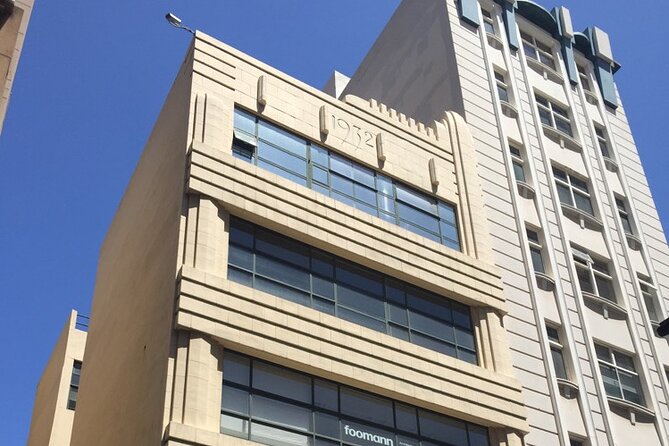
Melbourne’s Art Deco story is written above eye level. On this two-hour walk, you’ll examine terracotta tiles, geometric patterns, and bold details on city buildings that are easy to miss when you’re hurrying between cafés, shops, and trams. The focus includes the Manchester Unity Building and Majorca Building, two of the CBD’s best-known examples.
I like the small group, capped at 10, because guides such as San, John, and Catherine can adjust the talk to your questions. I also like the 10am start: you get a focused morning of architecture and still have most of the day for museums, shopping, or a trip to the MCG.
The main consideration is the walking. You need moderate physical fitness, and the tour does not include food, drinks, or hotel pickup. If façades and design details do not hold your attention, two hours of city walking may feel specialized.
In This Review
- Key points to know before booking
- Why Melbourne is such a good city for Art Deco
- Starting inside the Manchester Unity Building
- Learning to spot the Art Deco code
- The Majorca Building and Melbourne’s wider design mix
- What the 1934 centenary adds to the walk
- Why the small group matters
- A two-hour morning that fits a larger day
- Is the $64.55 price fair?
- Who will enjoy this most
- Booking and cancellation details
- Should you book the Melbourne Art Deco Architecture Tour?
- FAQ
- Where does the Melbourne Art Deco Architecture Tour begin?
- What time does the tour start?
- How long does the tour last?
- Where does the tour finish?
- What buildings are featured?
- Is there a minimum age or group limit?
Key points to know before booking
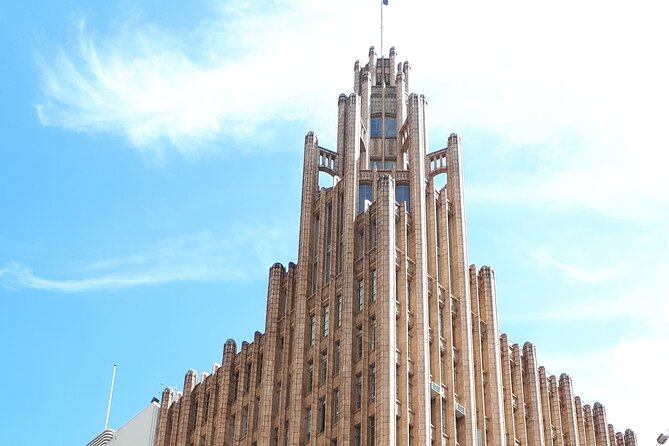
- Meet at the Manchester Unity Building at 10am: The tour begins in the heart of Melbourne’s CBD and finishes back at the same meeting point.
- See Art Deco details up close: Look for terracotta self-cleaning tiles, strong geometric patterns, and design elements influenced by Spain, Egypt, the Maya, and other cultures.
- Learn why 1934 mattered: Melbourne’s centenary helped trigger a building boom that reshaped the city centre.
- Expect a small group: A maximum of 10 people gives you a better chance to ask questions and hear the guide clearly.
- Plan your afternoon freely: The tour lasts about two hours, making it easy to fit into a larger Melbourne day.
- Book with a little lead time: This experience is booked an average of 33 days ahead, and a minimum group size applies.
Why Melbourne is such a good city for Art Deco
Melbourne’s 1934 centenary gave the city a reason to build, renew, and announce itself. The resulting construction boom left the central city with a striking collection of buildings from the Art Deco period.
That timing matters. You are not simply looking at isolated decorative façades. You are seeing how a major civic celebration, new construction, and international design tastes came together in one part of Melbourne.
The period also drew from a wide range of visual sources. Art Deco could borrow from Spanish architecture, Egyptian motifs, Mayan patterns, and other global styles. On this walk, you learn to spot those influences rather than treating every decorative building as just another old structure.
I find that useful because Melbourne’s centre can look more modern and commercial than historic at first glance. The architectural interest often sits in the upper stories, around entrances, or in small repeated patterns. A guide gives you a reason to stop and look.
Other Melbourne days people pair with this one:
- Great Ocean Road Small-Group Eco Tour from Melbourne
★ 5.0 · 6,607 reviews - From Melbourne: Great Ocean Road, 12 Apostles, Wildlife Tour
★ 4.7 · 6,020 reviews - Laid back, Yarra Valley Wine Tour: Wine, Cider, Gin, Beer + Choc
★ 5.0 · 4,552 reviews
Starting inside the Manchester Unity Building
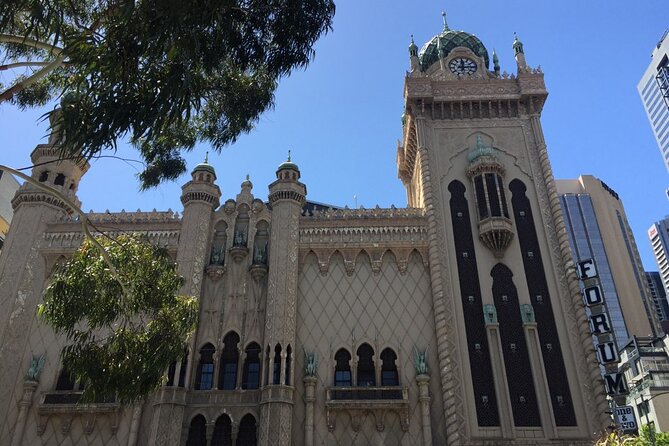
The meeting point is the Manchester Unity Building at 220 Collins Street. This is a practical place to begin because the building itself introduces the subject before you have taken a single step.
At 10am, you meet your local guide and begin the walking route through the CBD. The tour is not built around a long transfer from one district to another. Its appeal comes from seeing how many design clues are gathered within the central city.
The Manchester Unity Building is one of the featured examples, so expect the opening discussion to establish the visual language of the period. You’ll begin learning what to look for in façades, surface decoration, tilework, and the arrangement of geometric forms.
This is also where the small-group format starts to pay off. With no more than 10 people, you can ask why a particular feature matters or how one building differs from another. The guide can respond to your interests instead of delivering only a fixed speech.
John, San, and Catherine have each led tours described as personal and clear. San is especially noted for bringing the buildings’ stories to life and for shaping the discussion around questions. John has also helped participants with onward directions after the walk, including pointing one person toward the tram needed for a later MCG visit.
That sort of help is useful, but it should be treated as a bonus rather than a promised part of the tour. The advertised service is the guided architecture walk.
Learning to spot the Art Deco code
One of the strongest parts of the experience is the practical lesson in recognition. You are shown the features that help identify Art Deco, rather than being asked to rely on a date or a label.
Look for:
- Terracotta tiles described as self-cleaning
- Repeated geometric patterning
- Decorative details around entrances and upper façades
- Strong shapes and carefully arranged surface designs
- References to Spanish, Egyptian, Mayan, and other cultural styles
The value here is that you can keep using the skill after the tour ends. Once you know to inspect patterns and materials, the CBD becomes a more interesting place to walk. You may start noticing details that previously disappeared into the general city view.
The reminder to look up is important. Several parts of the tour involve seeing details above street level, and a sunny morning can make those features easier to read. Still, you should stay aware of foot traffic and city conditions while looking overhead.
A guide also helps separate genuine design features from vague impressions. A building can feel old or decorative without being a strong Art Deco example. The tour gives you a clearer way to understand what you are seeing.
The Majorca Building and Melbourne’s wider design mix

The Majorca Building is another major stop. Its name and appearance point to the Spanish influence that shaped parts of Melbourne’s Art Deco expression.
Here, the lesson is not just about one attractive façade. You are encouraged to compare styles and notice how different cultural references appear in the city. Spanish ideas sit alongside Egyptian, Mayan, and other influences, creating a more varied picture of Art Deco than a single standard style.
That variety is one reason this tour works for people who are interested in design but do not consider themselves specialists. You do not need a background in architecture. The guide provides a way into the subject through visible details and stories connected to Melbourne.
The route may also include opportunities to go inside some buildings. Interior access is not described as guaranteed at every stop, so you should not book expecting a full indoor tour. When entry is possible, it adds another layer to the experience because you can compare the public face of a building with its interior spaces.
The practical drawback is that the tour remains a walking overview rather than an extended visit inside every building. You will see and discuss several examples, but the emphasis is on the city streets, façades, and the historical reasons they look the way they do.
Same city, a completely different day out:
- Great Ocean Road Reverse Itinerary Boutique Tour – Max 11 Guests
★ 5.0 · 4,186 reviews - Penguin Parade, & Wildlife Encounters Eco Tour from Melbourne
★ 5.0 · 3,774 reviews - Melbourne: Yarra Valley Wine, Gin, Whisky and Chocolate Tour
★ 5.0 · 3,667 reviews - Great Ocean Road Tour w/ Deluxe Minibus & Top-Rated Guide
★ 4.8 · 2,644 reviews
What the 1934 centenary adds to the walk
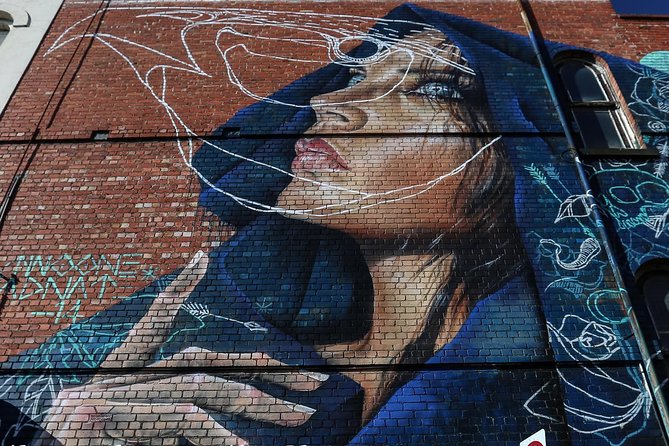
The 1934 Centenary of Melbourne is more than a date to remember. It helps explain why so many notable buildings appeared around the same period.
A city centenary creates civic pride and public attention. In Melbourne, it also helped spark construction and gave the city centre a new visual direction. As you move among the buildings, you can connect individual designs to that wider period of change.
This context makes the walk more satisfying than a simple checklist of façades. You learn why the buildings were there, why the style became popular, and how international design influences found a place in Melbourne.
I particularly like this kind of city tour because it changes the way you use the rest of your visit. Afterward, a walk through Collins Street or nearby parts of the CBD becomes less passive. You have a set of questions to ask: What materials are being used? Is the pattern geometric? Which outside culture seems to have influenced the decoration?
You will not receive a full survey of every architectural period in Melbourne. The experience is narrowly focused on Art Deco and the city’s building activity around the centenary. That focus is a strength for design fans, but it may feel limited if you want a broad introduction to Melbourne architecture.
Why the small group matters
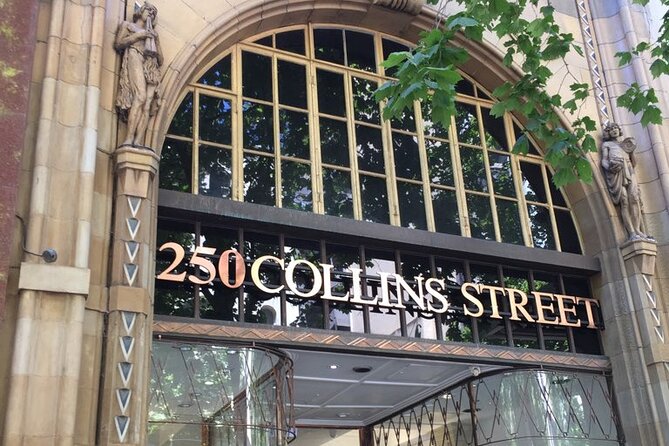
The maximum group size is 10. That is small enough for a more conversational experience and gives you a reasonable chance to ask questions without interrupting a large crowd.
The feedback from the tours points to this as one of the most important features. Participants have found that guides respond to personal interests and make the walk feel tailored. That does not mean you get a private tour, but it does mean the guide has room to adjust the pace and answer specific questions.
San has been praised for his enthusiasm for Melbourne, while Catherine is described as clear and well informed. John has also led a private tour when the booking size resulted in a one-party group. A private experience cannot be promised, but the small maximum makes it possible when numbers are low.
The format suits you if you enjoy asking questions about materials, dates, influences, or building use. It is less ideal if you prefer to explore silently or photograph everything at your own pace. The guide sets the rhythm, and the group needs to stay together.
A two-hour morning that fits a larger day
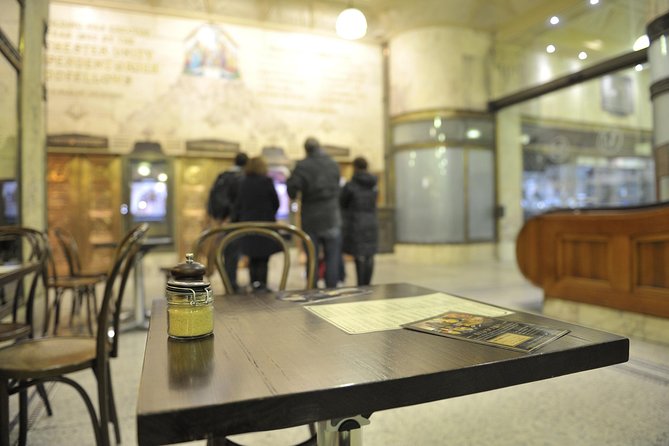
The start time is 10am, and the tour lasts about two hours. You finish back at the Manchester Unity Building, so you do not need to arrange a separate pickup at the end.
This timing is one of the easiest reasons to book. You can have breakfast first, spend the morning on the walk, and still have time for lunch and another activity. The CBD location also places you near public transportation, and the meeting point is close to city routes.
The tour does not include hotel pickup, food, or drinks. Bring what you need for a two-hour city walk, including water if the weather calls for it. You should also wear comfortable shoes and be ready to walk at a moderate level.
The activity is listed for people aged 13 and older. It requires moderate physical fitness, so it is not the right choice if you need a seated sightseeing experience or have difficulty walking around city streets.
Because the tour ends where it begins, it is easy to add your next plan. One participant was helped toward the tram for a later MCG activity. Again, that kind of personal direction depends on the guide and your route, but the central location makes onward planning straightforward.
Is the $64.55 price fair?
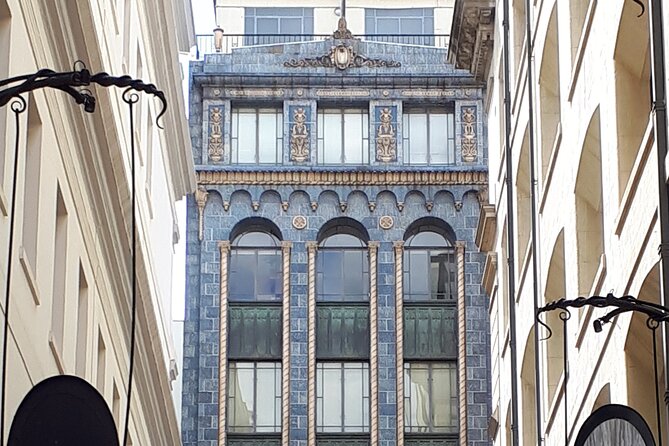
At $64.55 per person, this is not a cheap way to spend two hours in Melbourne. You are paying for a specialist guide, a small group, and a focused subject rather than transport, meals, or entry to a major attraction.
The value depends on how much you want help interpreting the city. If you already know Art Deco architecture well, you may prefer to walk the CBD independently with a guidebook. You will save money, but you will also miss the chance to ask questions and gain access to a guide’s local perspective.
For an art, design, or architecture fan, the price is easier to justify. The tour teaches you a way of seeing that can continue through the rest of your Melbourne visit. You are also getting a compact morning activity rather than committing half a day to a large formal tour.
The group cap matters here. A 10-person maximum is more useful than a vague small-group label because it gives you a clear idea of the likely scale. On a well-run tour, that should mean better conversation and less time waiting for a large group to gather.
The price is less appealing if you want interior access, refreshments, hotel transport, or a broad city tour. None of those are included. Think of this as a specialist walking lesson in the CBD.
Who will enjoy this most
I would recommend this tour to:
- Art Deco fans who want to see strong examples in Melbourne
- First-time visitors who want a different way to understand the CBD
- Melbourne residents looking to notice familiar streets anew
- Active visitors who prefer walking to riding on a bus
- People who enjoy asking questions in a small group
- Anyone with a free morning and a later plan nearby
It is also a good choice for a shared outing with friends. A Saturday morning booking can turn an ordinary city walk into a more purposeful activity, especially if you enjoy architecture but do not want a formal museum visit.
Families should note the minimum age of 13. Younger children cannot join under the stated rules, and the walking format may not suit anyone who needs frequent rest stops.
You should skip it if your main interest is Melbourne’s food scene, shopping, galleries, or major attractions. The tour does not try to cover everything. Its strength comes from staying with one subject.
Booking and cancellation details
The experience is commonly booked about 33 days in advance, so I would not leave it until the last morning of your visit if the date matters to you. Minimum numbers apply, and the operator can cancel after confirmation if too few people book. In that case, you are offered an alternative or a full refund.
You can cancel for a full refund up to 24 hours before the local start time. Cancellations or changes made inside that 24-hour window are not accepted for a refund.
Confirmation arrives when you book, and the tour uses a mobile ticket. The meeting point is near public transportation, but hotel pickup is not provided.
Should you book the Melbourne Art Deco Architecture Tour?
Book it if you want to understand the buildings around you instead of simply passing them. The 1934 centenary, the Manchester Unity Building, the Majorca Building, and the mix of Spanish, Egyptian, Mayan, and other design influences give the walk a clear story.
The best reason to choose it is the guide-led interpretation. San, John, and Catherine have brought a personal, question-friendly approach to the tour, and the group size supports that style. You also finish early enough to keep your afternoon open.
Skip it if you want a general sightseeing tour, a fully indoor experience, or included food and transportation. For the right audience, though, $64.55 buys more than a walk past decorated façades. It gives you a sharper eye for Melbourne’s centre and a better sense of why the city looks the way it does.
FAQ
Where does the Melbourne Art Deco Architecture Tour begin?
The tour begins at the Manchester Unity Building, 220 Collins Street, Melbourne VIC 3000, Australia.
What time does the tour start?
The tour starts at 10am.
How long does the tour last?
The walking experience lasts approximately two hours.
Where does the tour finish?
The activity ends back at the Manchester Unity Building, the same place where it starts.
What buildings are featured?
The tour includes the Manchester Unity Building and the Majorca Building, along with other Art Deco examples in Melbourne’s city centre.
Is there a minimum age or group limit?
The minimum age is 13. The tour has a maximum of 10 people, and minimum booking numbers apply.
Recently added around Melbourne
- Great Ocean Road: Kayaking with Seals Tour★ 4.6 · 3 reviews
- Happy Slam Australian Open Melbourne Sports Experience★ 5.0 · 3 reviews
- Coastal Magic – Melbourne 12 Apostles & Beyond★ 4.0 · 3 reviews
- Werribee Mansion & Sovereign Hill Tour★ 3.7 · 3 reviews
- From Melbourne: Mornington Peninsula Hop-On-Hop-Off Bus★ 5.0 · 3 reviews
- Bellarine Winery: Texas BBQ Platter Lunch with Wine★ 3.0 · 3 reviews
- Great Ocean Road Private Day Tour★ 5.0 · 3 reviews
- Melbourne City & Brighton Beach Boxes Helicopter Tour★ 4.5 · 3 reviews
Tours, compared.
Great Ocean Road Small-Group Eco Tour from Melbourne
Read our review →

Laid back, Yarra Valley Wine Tour: Wine, Cider, Gin, Beer + Choc
Read our review →
Great Ocean Road Reverse Itinerary Boutique Tour – Max 11 Guests
Read our review →
Penguin Parade, & Wildlife Encounters Eco Tour from Melbourne
Read our review →
Yarra Valley Wine, Gin, Whisky and Chocolate Tour
Read our review →
Great Ocean Road Tour w/ Deluxe Minibus & Top-Rated Guide
Read our review →