Reviewed · FOOD
Melbourne Foodie Culture
Melbourne Foodie Culture makes a meal out of the city itself. You begin at the Immigration Museum, then walk through laneways, spice shops, cafés, Chinatown, and lesser-known food stops while learning how migration shaped what Melbourne eats. The food comes with context, not just a list of samples.
I like the small group, capped at 14 people, and the way the tour combines a progressive lunch with coffee, tea, ice cream, and spice education. Guides such as Christine and Sophia have earned strong praise for linking food, culture, and city history in a natural way. The main drawback is the price, $125.52 per person, which makes this a better choice for a first Melbourne visit than for someone who already knows the city’s food scene well.
In This Review
- Key points at a glance
- Why this tour is more than a string of tastings
- Starting at the Immigration Museum
- Four stops, one progressive lunch
- Melbourne coffee with room for tea
- Spice shops and the story behind ingredients
- Chinatown, ice cream, and Australian flavors
- What the guides add to the walk
- The real value of $125.52
- Timing, meeting point, and practical fit
- Who will enjoy this Melbourne food walk
- Should you book Melbourne Foodie Culture?
- FAQ
- Where does Melbourne Foodie Culture start?
- What time does the tour begin?
- Where does the tour finish?
- How long does the tour last?
- How many people can join the tour?
- Is cancellation free?
Key points at a glance
- Four food stops create a progressive lunch: Expect several smaller tastings rather than one sit-down meal.
- The Immigration Museum sets the cultural frame: The tour begins with exhibitions about Melbourne’s multicultural past.
- Spice shops add practical food knowledge: You learn how ingredients from different regions are used in cooking.
- Coffee is part of the plan: A café stop includes Melbourne coffee, with tea also available.
- The group stays intimate: A maximum of 14 participants makes it easier to hear the guide and ask questions.
- The walk ends near Flinders and Swanston streets: The start and finish are both central, making the tour easy to fit into a city day.
Why this tour is more than a string of tastings
Melbourne has a famous café culture and a strong reputation for international food. The challenge for a short-term visitor is knowing how to connect those places into a useful day. Melbourne Foodie Culture solves that problem with a four-hour walking route that links food to migration, trade, and everyday city life.
The tour begins at the Immigration Museum, at 400 Flinders Street, and finishes at 238 Flinders Street near the corner of Flinders and Swanston streets. That central route matters. You are not spending half the tour getting to and from an outer suburb, and you can continue sightseeing after the final stop.
I see the tour as part food crawl, part city orientation, and part introduction to Melbourne’s multicultural story. The food is the reason to book, but the cultural explanation is what gives the stops meaning. Instead of simply hearing that a dish is popular, you learn how different communities and ingredients helped shape the city’s eating habits.
The four-hour length is long enough to cover several places without turning the day into a rushed snack hunt. Still, you should expect a walking experience, not a formal restaurant lunch. If you prefer one large meal with plenty of time at the table, this format may feel scattered. If you like variety, it works well.
More food tours in Melbourne:
- Melbourne Foodie Discovery Walking Tour
★ 5.0 · 530 reviews - Yarra Valley Food Wine and Gin Tour Departing From Melbourne
★ 5.0 · 359 reviews - Melbourne: 3-Hour Foodie Discovery Walking Tour
★ 4.9 · 313 reviews
Starting at the Immigration Museum
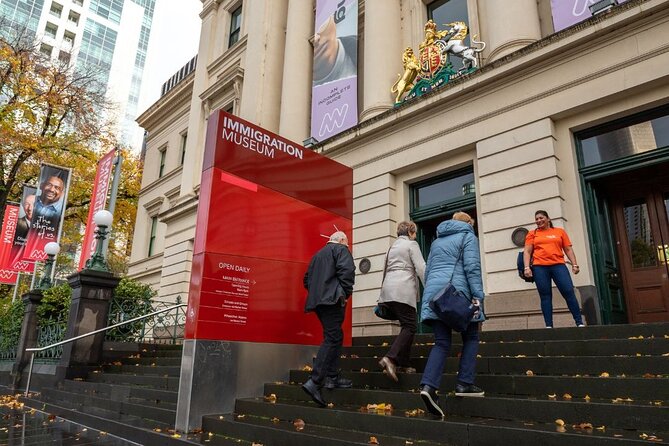
The Immigration Museum provides a useful first stop because it gives the rest of the tour a clear purpose. Melbourne’s food culture did not appear by accident. It reflects the people who settled in the city, the ingredients they brought or adapted, and the businesses that introduced new flavors to local diners.
The tour includes an introduction to the museum and access to special exhibitions. The exact exhibition content can change, so you should think of this as an opening cultural visit rather than a full museum tour. You will not spend the entire morning inside, but the stop helps explain why food is such a good way to understand Melbourne.
I like this beginning because it prevents the food from becoming a collection of disconnected samples. A spice, café, Chinatown dish, or Australian ingredient means more when you have already considered the movement of people and traditions through the city.
The museum is also a practical meeting point. The start time is 10:30 am, which gives you a reasonable morning start and leads into lunch hours. Arrive ready to walk and eat over several stops rather than expecting the main meal immediately.
Four stops, one progressive lunch
The central food experience is a progressive meal at four carefully chosen culinary venues. Each stop contributes something different, so the day is designed around contrast. You might move from coffee culture to sweet treats, then into Chinatown and Australian flavors.
Because the stops are presented as a progressive lunch, portions are likely to be spread across the route rather than served as a single full plate. That is good news if you want to try several foods without committing to one restaurant. It also means you should not assume every stop will provide a full meal on its own.
The food selection is one of the strongest parts of the experience. The route includes:
- Coffee or tea at a selected café
- Artisanal ice cream
- Food connected with Chinatown
- Authentic Australian flavors
- Other snacks and tastings along the way
This range gives you a quick reading of Melbourne’s food identity. You get the café scene that the city is known for, familiar and less familiar international influences, and food connected to Australia itself.
The tradeoff is that the tour cannot explore every cuisine or provide a long visit at each venue. Four stops in four hours leaves time for walking, explanation, and museum access. That balance is useful for a first visit, but repeat visitors may want a more specialized tour focused only on coffee, Asian food, or Australian ingredients.
Melbourne coffee with room for tea
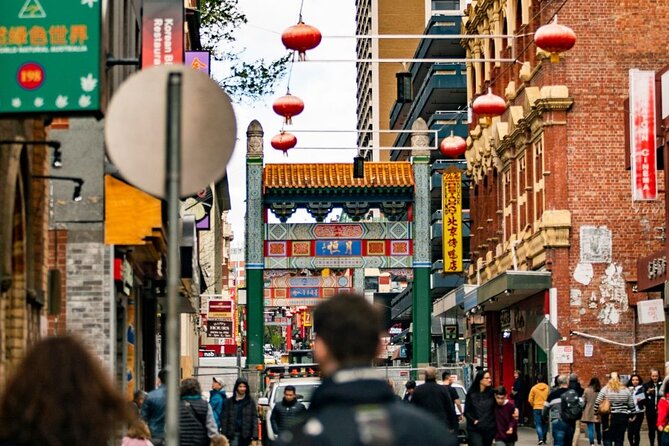
Coffee is not a side note here. Melbourne’s café culture is one of the main reasons many visitors want a food tour, and this experience includes coffee or tea at a carefully selected café.
The café stop gives you a chance to understand coffee as part of the city’s daily routine rather than treating it as a quick caffeine break. The tour’s broader cultural theme also helps explain why café culture fits so naturally into Melbourne’s food identity.
You should note the wording around the inclusion: coffee and/or tea are provided. If you are not a coffee drinker, you are not left without an option, but this is still a tour that gives coffee a fair amount of attention.
Coffee quality is personal, and one café will not tell you everything about the city’s café scene. Even so, including the drink in the tour price is convenient. You do not have to choose a café at random during a short visit, and the guide can place the stop within the wider route.
Same city, a completely different day out:
- Great Ocean Road Small-Group Eco Tour from Melbourne
★ 5.0 · 6,607 reviews - From Melbourne: Great Ocean Road, 12 Apostles, Wildlife Tour
★ 4.7 · 6,020 reviews - Laid back, Yarra Valley Wine Tour: Wine, Cider, Gin, Beer + Choc
★ 5.0 · 4,552 reviews - Great Ocean Road Reverse Itinerary Boutique Tour – Max 11 Guests
★ 5.0 · 4,186 reviews
Spice shops and the story behind ingredients
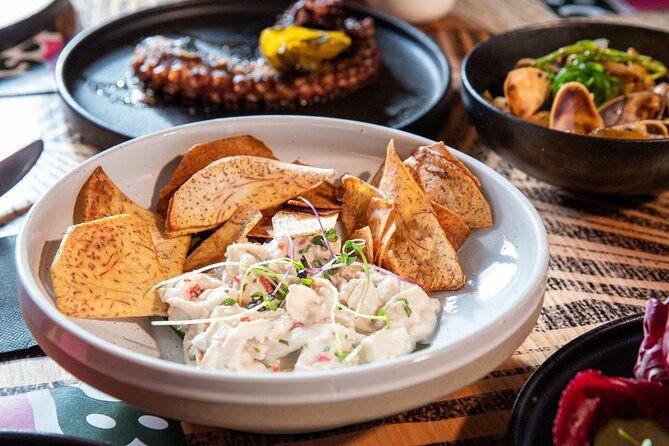
The spice shop visit is one of the more unusual elements. Many food walks stop at cafés, bakeries, or restaurants. This one also pauses to examine the ingredients that help define cooking from different regions.
You will wander through local spice shops and learn how spices and other ingredients are used in regional cuisines. That can make the tour more useful than a simple tasting because it gives you something to take home as food knowledge. Afterward, you may look at a spice blend or unfamiliar ingredient with a clearer idea of how it is used.
The stop also connects neatly to Melbourne’s immigrant food traditions. Spices are portable, adaptable, and closely tied to family cooking. Looking at them in a shop offers a small but concrete way to see how food traditions travel and change.
Do not book this expecting a hands-on cooking class or a shopping session with a detailed recipe book. The information provided describes an introduction to spices and ingredients, not a cooking lesson. If you are curious about food but not especially interested in buying ingredients, the guide’s explanation is likely to be the most useful part.
Chinatown, ice cream, and Australian flavors
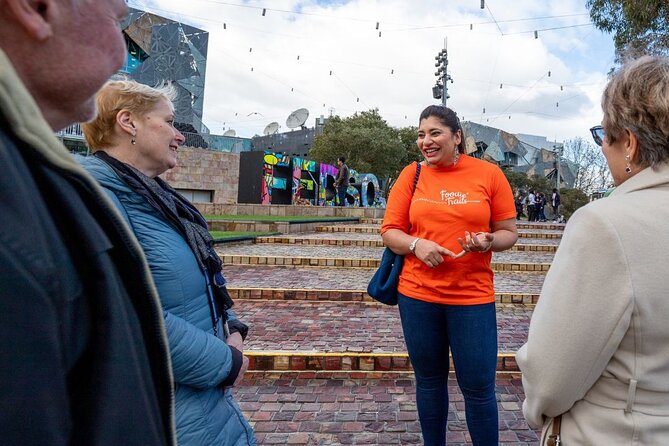
The route brings together several food settings that can feel quite different from one another. Chinatown adds a strong international dimension, while artisanal ice cream provides a lighter and sweeter stop. Australian flavors then give the tour a local point of reference.
This progression is smart for a short city tour. Sweet food breaks up savory tastings, coffee gives you a pause, and the Chinatown stop adds another layer to the city’s food story. You are not eating the same kind of dish four times.
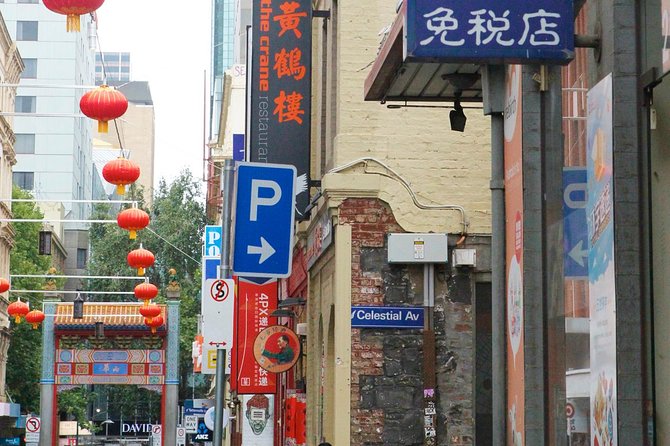
The Chinatown portion is also helpful if you are staying in central Melbourne and want a starting point for later meals. The tour does not promise a full guide to every restaurant in the district, but it can show you how the area fits into the city’s wider food culture.
The Australian food element is harder to assess in detail because the exact dish is not specified. That is worth keeping in mind. You can expect an introduction to authentic Australian flavors, but you should not book this tour for one particular iconic food unless the operator confirms the current menu before your visit.
The same point applies to the ice cream and other tastings. Menus can change, and the tour description does not name every venue or dish. The strength is variety and explanation, not a guaranteed checklist of specific foods.
What the guides add to the walk
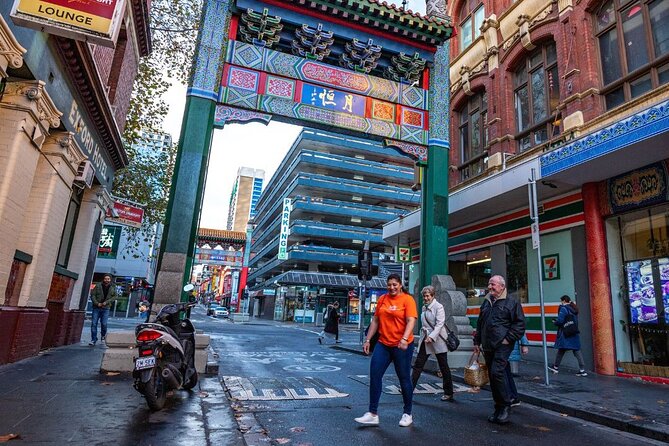
A food tour depends heavily on its guide. Christine and Sophia are two names associated with this experience, and their approach appears to be a major part of its appeal. The most useful guide style here is not a lecture. It is the ability to connect a dish, a neighborhood, and a piece of Melbourne’s past without slowing the group to a crawl.
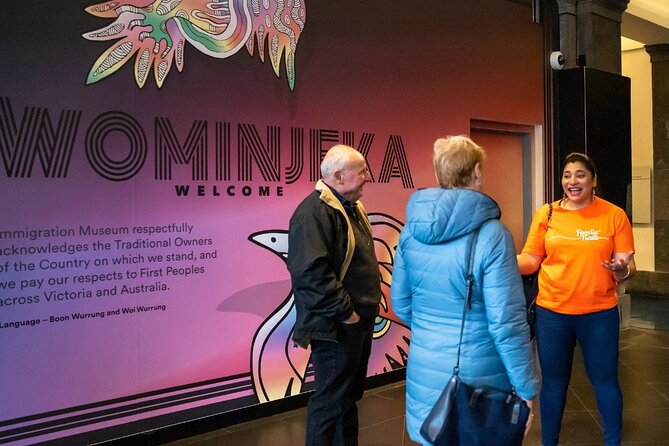
Christine is especially praised for combining sightseeing, food, and city history. That combination is important because a walking food tour can otherwise become a series of stops with little sense of place. Sophia is also described as informative, with the museum visit and restaurant choices working well together.
You should expect the guide to explain where food traditions came from and how they relate to the communities that helped shape Melbourne. The guide also leads you between venues, points out places that can be easy to miss, and helps you understand why the stops were chosen.
The group limit of 14 supports this style. A small group makes it easier to hear explanations in a shop or on a busy street, and it gives you more room to ask about ingredients or local eating habits. It does not guarantee a private experience, but it is far more personal than a large coach-based food outing.
The real value of $125.52
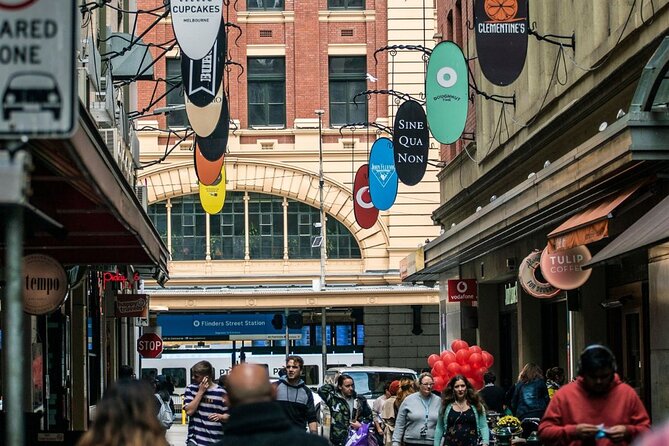
At $125.52 per person, this is not a cheap way to grab lunch. You are paying for more than food. The price covers the guide, four food venues, coffee or tea, spice shop visits, an Immigration Museum introduction with special exhibition access, and four hours of organized walking.
The value depends on how you would otherwise spend your first day in Melbourne. If you would pay separately for a museum visit, order several tastings, buy coffee and dessert, and spend time finding suitable places, the package can make sense. You also gain a route and local explanation that would take effort to build on your own.
The value is weaker if you already have a detailed list of Melbourne restaurants or plan to eat full meals at higher-end venues. Progressive tastings are not the same as a large lunch, and some people may prefer to spend $125.52 on one excellent meal plus independent exploring.
I would see this as an orientation purchase. It is most useful early in your stay, when the information can guide the meals you choose later. You may discover an area, ingredient, or style of café that you want to revisit on your own.
The price also makes the maximum group size more important. A cap of 14 gives the experience a more personal feel and helps the walking route function smoothly. If the group were much larger, I would be less convinced by the cost.
Timing, meeting point, and practical fit
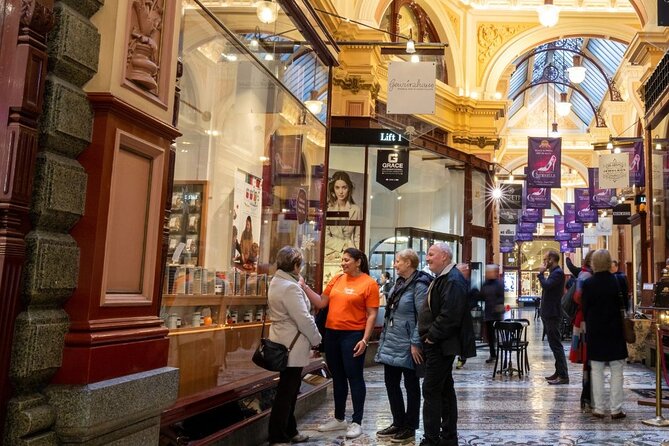
The tour starts at 10:30 am at the Immigration Museum, 400 Flinders Street. It ends at 238 Flinders Street near Flinders and Swanston streets, so the finish remains close to central transport and major city sights.
The mobile ticket is convenient, and booking confirmation is normally provided at the time of booking. If you book within one day of departure, confirmation may take longer and depends on availability, so last-minute plans carry some uncertainty.
The experience requires good weather. If poor weather causes cancellation, you are offered another date or a full refund. The tour also requires a minimum number of participants, with the same general choice of a different date or a refund if that minimum is not reached.
Most people can take part, and service animals are allowed. The activity is near public transportation. The supplied details do not state a precise walking distance or list every surface and stair, so anyone with mobility concerns should ask the operator for a route assessment before booking.
You can cancel for a full refund up to 24 hours before the start time. Changes or cancellations within 24 hours are not refunded, so mark the local start time carefully.
Who will enjoy this Melbourne food walk
I would recommend this experience to first-time visitors who want a quick, guided introduction to Melbourne’s food culture. It is also a good fit for couples, solo visitors, and small groups who prefer conversation and variety over a large organized outing.
It suits you particularly well if you enjoy:
- Learning why a food tradition exists, not just sampling it
- Walking through central Melbourne
- Trying small portions from several cuisines
- Coffee, ice cream, spice shops, and Chinatown
- Using a tour to choose places for later independent meals
Families may also find the varied format appealing, but the duration and walking pace could matter for younger children. The tour is not described as child-focused, so check the current food plan if you need specific options.
I would hesitate if you dislike walking, want a long restaurant meal, or have strict dietary needs that require advance confirmation. The food stops are selected as a set route, and the available details do not specify vegetarian, vegan, gluten-free, allergy, or other dietary arrangements.
Should you book Melbourne Foodie Culture?
Book it if you have limited time in Melbourne and want food, local history, and neighborhood orientation in one morning-to-afternoon outing. The strongest reasons are the small group, the four-part lunch, the spice shop visit, and the guides’ ability to connect food with culture.
Skip it if you already know Melbourne’s central food districts well or if $125.52 feels high for a meal made up of tastings. You can explore the laneways and cafés independently, but you will spend more time choosing stops and will miss the organized link between the Immigration Museum and the city’s food traditions.
For most first-time visitors who want a useful introduction rather than a single grand meal, I think the tour earns its place in a short Melbourne itinerary. Just arrive hungry but not starving, wear comfortable shoes, and leave room in your schedule for a later meal if the tastings do not fill you up.
FAQ
Where does Melbourne Foodie Culture start?
The tour starts at the Immigration Museum, 400 Flinders Street, Melbourne, Victoria 3000.
What time does the tour begin?
The start time is 10:30 am.
Where does the tour finish?
The experience ends at 238 Flinders Street, near the corner of Swanston and Flinders streets in Melbourne.
How long does the tour last?
The tour lasts approximately four hours.
How many people can join the tour?
The maximum group size is 14 participants.
Is cancellation free?
You can cancel up to 24 hours before the start time for a full refund. Cancellations or changes made less than 24 hours before the experience are not refunded.
Recently added around Melbourne
- Great Ocean Road: Kayaking with Seals Tour★ 4.6 · 3 reviews
- Happy Slam Australian Open Melbourne Sports Experience★ 5.0 · 3 reviews
- Coastal Magic – Melbourne 12 Apostles & Beyond★ 4.0 · 3 reviews
- From Melbourne: Mornington Peninsula Hop-On-Hop-Off Bus★ 5.0 · 3 reviews
- Werribee Mansion & Sovereign Hill Tour★ 3.7 · 3 reviews
- Melbourne City & Brighton Beach Boxes Helicopter Tour★ 4.5 · 3 reviews
- Bellarine Winery: Texas BBQ Platter Lunch with Wine★ 3.0 · 3 reviews
- Great Ocean Road Private Day Tour★ 5.0 · 3 reviews
Food, compared.
Yarra Valley Food Wine and Gin Tour Departing From Melbourne
Read our review →
Melbourne Food Tour with 8+ Food Tastings in Hidden Laneways
Read our review →
Yarra Valley Full Day Gourmet Food, Wine & Gin Adventure
Read our review →