
Reviewed · MELBOURNE LANEWAYS
Melbourne: Local Laneway Bars and Their Stories
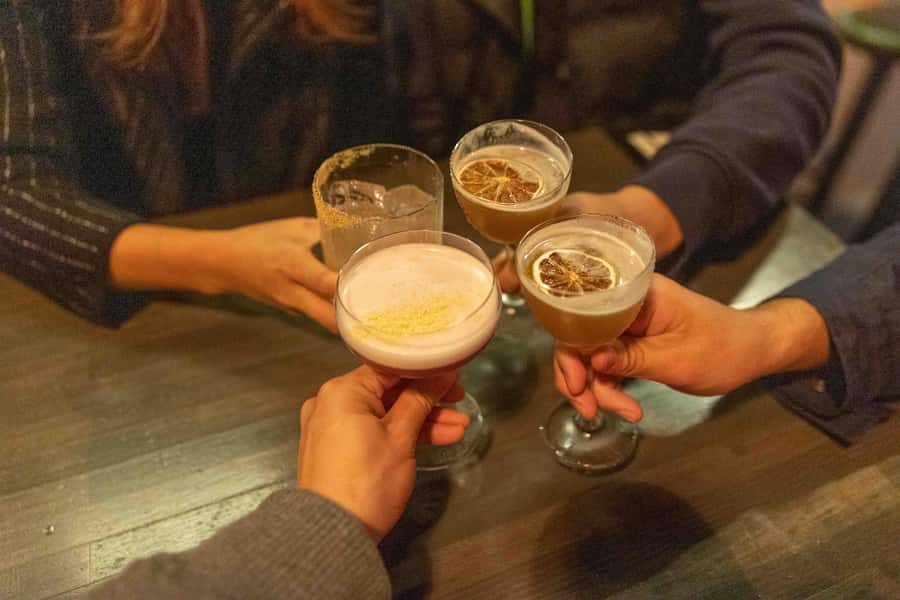
Melbourne’s best bar stories are often found behind plain doors, down narrow lanes, or below street level. This three-hour walk takes you to four established venues whose rooms reflect the city’s shift from gold-rush settlement to one of Australia’s great drinking capitals. I especially like the mix of local history and practical bar discovery, plus the fact that the small group limit keeps the outing social without making it feel like a pub crawl on rails.
I also like that the first drink is included and that guides such as Hugo, Ian, Julia, Alex, Beau, and Simon have been praised for making the history lively rather than turning it into a lecture. The main thing to keep in mind is that the bars change each day, so you are booking a style of experience rather than a guaranteed visit to every named venue. You will also pay for most drinks and any food along the way.
In This Review
- Key things to know before you book
- Why Melbourne’s backstreet bars tell the real city story
- Meeting at Gordon Reserve and getting the evening started
- The four venues are selected daily
- What each possible stop adds to the route
- Little Lon Distilling and Melbourne’s old lanes
- Whitehart Lane and the industrial afterlife
- Music Room and the quieter side of nightlife
- Union Electric Bar and Rooftop
- Whitehart Lane, Mill Place Merchants, and the small-bar idea
- Potamida, Dom’s Social Club, and Seamstress
- The guides make or break a history walk
- What you pay for at 63 dollars
- Walking, weather, and what to wear
- Who will get the most from this tour
- Is Melbourne’s laneway bar tour worth booking?
- FAQ
- How long does the Melbourne laneway bar tour last?
- How many bars will I visit?
- Are the named bars guaranteed?
- Is a drink included in the price?
- Is food included?
- Where do I meet the guide?
- Can people under 18 join?
Key things to know before you book
- Four changing bar stops: Expect four venues selected from an established local network, with very different moods and settings.
- A walking history lesson: Your guide connects old buildings, industrial quarters, laneways, and Melbourne’s small-bar licensing changes.
- Small groups up to 12: This makes it easier to talk with the guide and enter compact venues as a group.
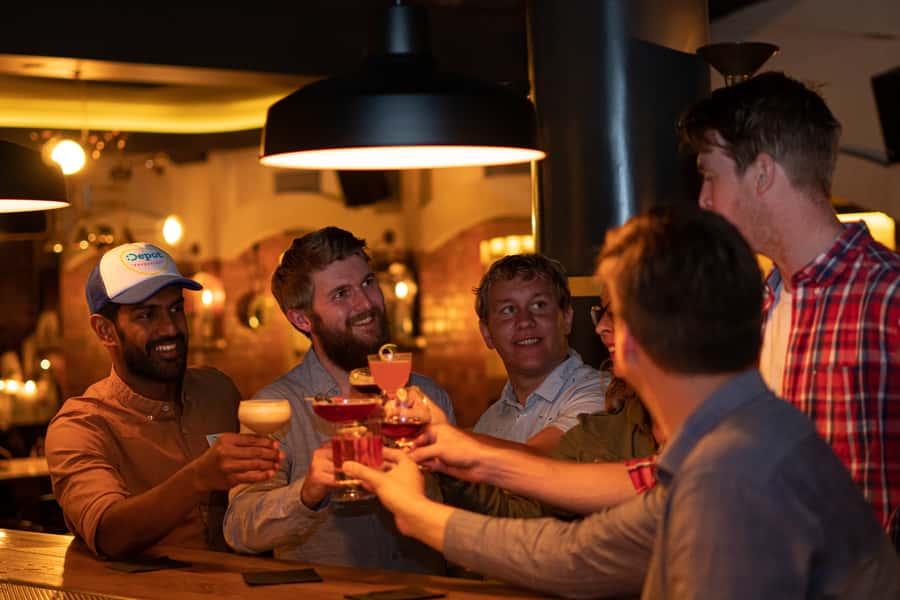
- One drink included: Your opening drink gives you a taste of the local hospitality scene, but later drinks cost extra.
- Useful for repeat Melbourne visitors: The route can reveal places even locals have walked past without noticing.
- Bring weather-ready clothing: Melbourne can turn from sun to rain quickly, and much of the experience is on foot.
Why Melbourne’s backstreet bars tell the real city story
Melbourne’s bar culture is not just about cocktails. It is also a story about buildings finding new lives.
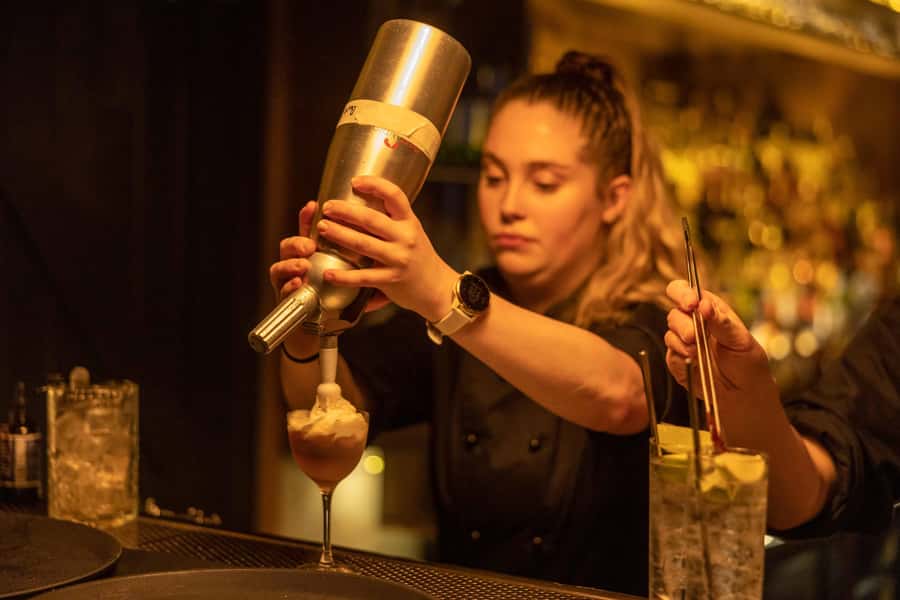
Former textile warehouses, Victorian-era structures, old industrial corners, and narrow service lanes have been turned into drinking rooms. The city’s small-bar revolution changed the old idea that nightlife had to happen in a large hotel or club. Smaller venues could open in unusual spaces, and the result was a city where a blank wall might conceal a dining room, a distillery, or a low-lit bar.
That is the thread running through this experience. You are not simply moving from one drink to the next. You are being shown how Melbourne’s built environment and hospitality culture grew together.
I think this matters because the city can feel polished and modern at street level, while its best stories sit in the awkward spaces between larger buildings. A guide helps you notice those details. The lanes become more than shortcuts, and old buildings become part of the evening rather than background scenery.
The tone also appears to be relaxed. Guides have been praised for adjusting the route or conversation to the group, including very small groups of only two or three people. That flexibility is useful if you are a solo visitor, a couple, or a local showing Melbourne to friends from out of town.
More laneway tours in Melbourne:
- Ultimate Melbourne Walking Tour: History, Laneways & Culture
★ 5.0 · 1,451 reviews - Melbourne’s Living Laneway Scene: Local Bars and Their Stories
★ 5.0 · 542 reviews - Original Melbourne Lanes and Arcades Walking Tour
★ 5.0 · 389 reviews
Meeting at Gordon Reserve and getting the evening started
The stated meeting point is Gordon Reserve, where your guide will hold a blue umbrella. The experience also lists 74 Spring St as the starting location, so check the exact meeting instructions on your voucher before setting off. That small bit of preparation matters in central Melbourne, where several parks, lanes, and major streets sit close together.
From there, expect a walking route through the central city. The total duration is three hours, which gives the guide enough time to explain the stops and lets you settle into each venue. This is not designed as a rushed checklist where you take one sip, snap a photo, and hurry away.
Your first drink is included at the opening venue. The supplied details do not promise one particular drink, so the exact choice may depend on the bar and what is available that day. Later drinks, meals, and snacks are extra.
Several people have enjoyed the range of drinks available across the route, including cocktails, craft gin, beer, local wine, and other bar specialties. If you want to make the most of the tasting side, carry enough room in your budget for additional orders. Most venues take cards, though an occasional minimum spend means a little cash is sensible.
The four venues are selected daily
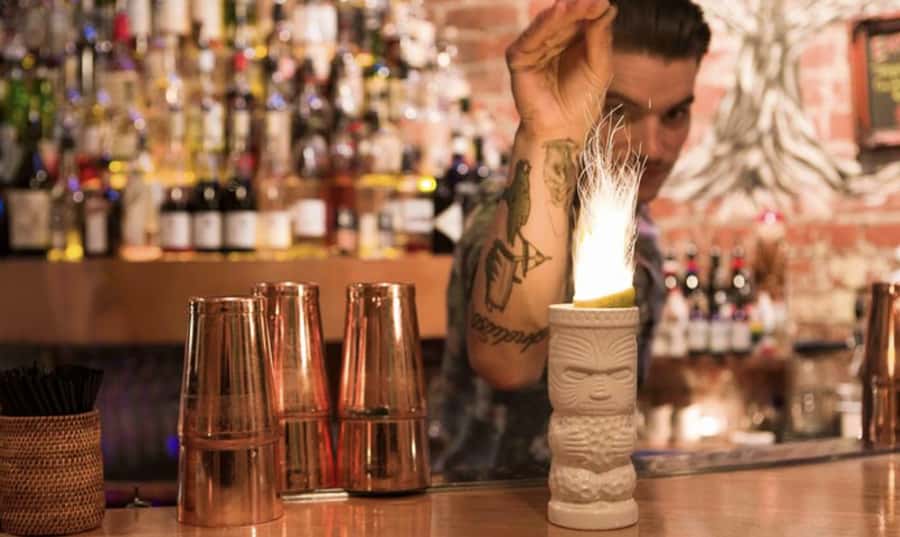
This is the most important booking detail. The named bars are examples of the type of place the operator visits, not a fixed promise that you will enter all of them.
The sample list includes Potamida, Little Lon Distilling, Dom’s Social Club, Mill Place Merchants, Music Room, Union Electric Bar and Rooftop, Whitehart Lane, and Seamstress Restaurant and Bar. Your actual route will include four venues from the trusted network, selected for the day.
That approach has a clear benefit. You are less likely to arrive at a bar that is too crowded, unavailable, or unsuitable for the group. It also means the experience can stay fresh for local people who book more than once.
The tradeoff is simple: if you have your heart set on Little Lon Distilling or Whitehart Lane, this is not the right product for a guaranteed venue visit. Think of the names as a guide to the atmosphere and range, not a fixed itinerary.
What each possible stop adds to the route
A few more Melbourne day trips worth comparing
- Laid back, Yarra Valley Wine Tour: Wine, Cider, Gin, Beer + Choc
★ 5.0 · 4,552 reviews - Epic Yarra Valley Wine Tour + Lunch, Chocolate & Gin/Beer Option
★ 5.0 · 1,819 reviews - Melbourne: Yarra Valley Wine, Cider, Gin, Beer, & Choc Tour
★ 4.8 · 719 reviews - Melbourne: Yarra Valley Wine Tour + Lunch & Gin/Beer Option
★ 4.9 · 333 reviews
Little Lon Distilling and Melbourne’s old lanes
Little Lon Distilling is a good example of what this experience is trying to show. Its setting reflects the contrast between an old cottage-style space and the high-rise city around it. One particularly memorable description of the tour included an 1878 cottage distillery surrounded by modern towers.
That contrast gives the history a physical shape. You are not just hearing that Melbourne has changed. You can see the older scale of the city pressed up against the new one.
A distillery stop may also suit you if you prefer spirits and cocktails to beer. Still, remember that the exact drinks and venue cannot be guaranteed on any particular departure.
Whitehart Lane and the industrial afterlife
Whitehart Lane represents another side of Melbourne’s bar story: the reuse of industrial space. The tour description points to former industrial quarters that became cultural destinations, and this sort of venue helps make that change visible.
An industrial setting can feel less formal than a classic cocktail room. You might find a more open, rough-edged atmosphere here, though the precise arrangement and drink menu depend on the day.
I like this kind of stop because it adds context to the city walk. A bar is not isolated from Melbourne’s urban past. Its walls, materials, and location can explain why the venue exists where it does.
Music Room and the quieter side of nightlife
Music Room suggests a more intimate stop, possibly one suited to a group that wants atmosphere as much as alcohol. The experience is designed around stories and setting, so a smaller room can give the guide a chance to explain the venue without shouting over a huge crowd.
You should not assume every stop will be a music venue or that live entertainment is included. The name is part of the sample list, not a promise. But it signals the breadth of the route, which is not limited to one type of cocktail bar.
Union Electric Bar and Rooftop
Union Electric Bar and Rooftop points to the vertical side of Melbourne’s nightlife. A rooftop setting can offer a different feel from a cellar, cottage, or laneway room, but access and the exact stop remain subject to the day’s plan.
If the route includes it, you may appreciate the change of pace. Four compact venues with identical interiors would make a dull afternoon. The appeal here is contrast: old and new, enclosed and open, refined and informal.
As always, weather matters. Melbourne is famous for quick changes, and a rooftop or exposed walking section is best approached with a weather check and a light extra layer.
Whitehart Lane, Mill Place Merchants, and the small-bar idea
Mill Place Merchants and Whitehart Lane fit the tour’s focus on venues that helped make small bars part of Melbourne’s identity. You might find a tucked-away room, a repurposed structure, or a place that is easy to miss unless you already know the entrance.
This is where the guide earns the ticket price. Without context, you may enjoy the drink but miss why the venue matters. With a good explanation, the bar becomes a small case study in planning rules, old buildings, local business, and changing nightlife habits.
Potamida, Dom’s Social Club, and Seamstress
Potamida, Dom’s Social Club, and Seamstress Restaurant and Bar add further variety to the sample network. The available information does not assign fixed themes or menus to each one, so I would avoid booking with a precise expectation about food, music, or cocktail style.
What you can expect is a venue with an established identity and a story that fits the wider route. The tour is strongest when you allow the guide to make the connections rather than judging it by whether one specific bar appears.
The guides make or break a history walk
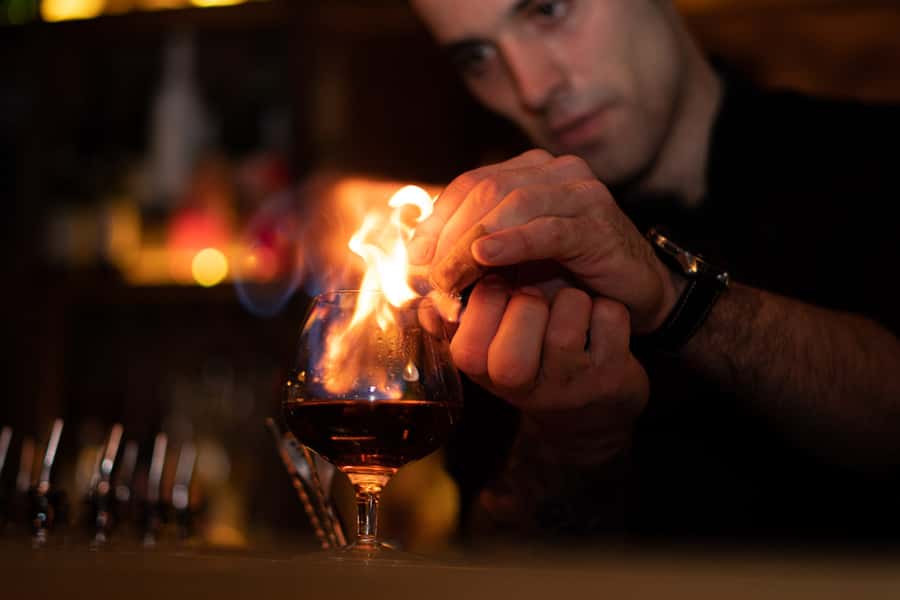
The strongest part of this experience is the human element. Hugo is repeatedly singled out for his local knowledge, warmth, humor, and ability to shape the route around the group. Ian is also praised for explaining the past of each venue and keeping the pace comfortable.
Julia has been described as engaging and full of stories about Melbourne’s lanes and bar culture. Alex is noted for being friendly, asking good questions, and adapting the outing when only a couple booked. Beau and Simon have also been praised for their city knowledge and easy manner.
That range matters because a bar history tour can go wrong in two ways. It can become a dry architectural talk, or it can become a simple drinking session with no sense of place. The best guide balances both. You get enough background to understand the city, but the afternoon still feels like a social outing.
If you are traveling alone, this format has another advantage. Introductions and a group of up to 12 can make it easier to meet people without forcing you into a large bus tour. The group size is small enough for real conversation, though the social mood will still depend on who books that day.
What you pay for at 63 dollars
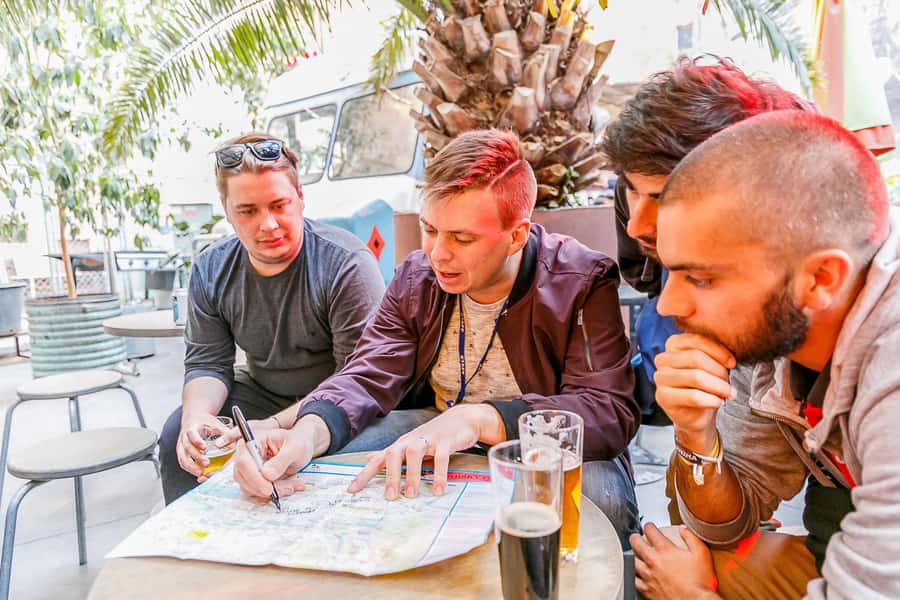
At 63 Australian dollars per person, the price includes the local guide, the opening drink, four venue visits, historical explanation, and a recommendations map for further bar exploring.
The value depends on how much independent research you would otherwise do. If you already know Melbourne’s lanes and bars, you may see the cost mainly as payment for company, access, and local stories. For a first visit, the value is stronger because the guide reduces the guesswork and points you toward places you might not locate on your own.
You should budget beyond the ticket. Additional drinks are not included, and food is not included either. Some venues may offer appetisers or you may choose to eat after the tour, but that is not part of the promised package.
The recommendations map adds value after the three hours are over. Several guides have also helped people choose a nearby restaurant or suggested more bars for the rest of the evening. Those tips can help you turn a short tour into a longer, self-guided night.
Walking, weather, and what to wear
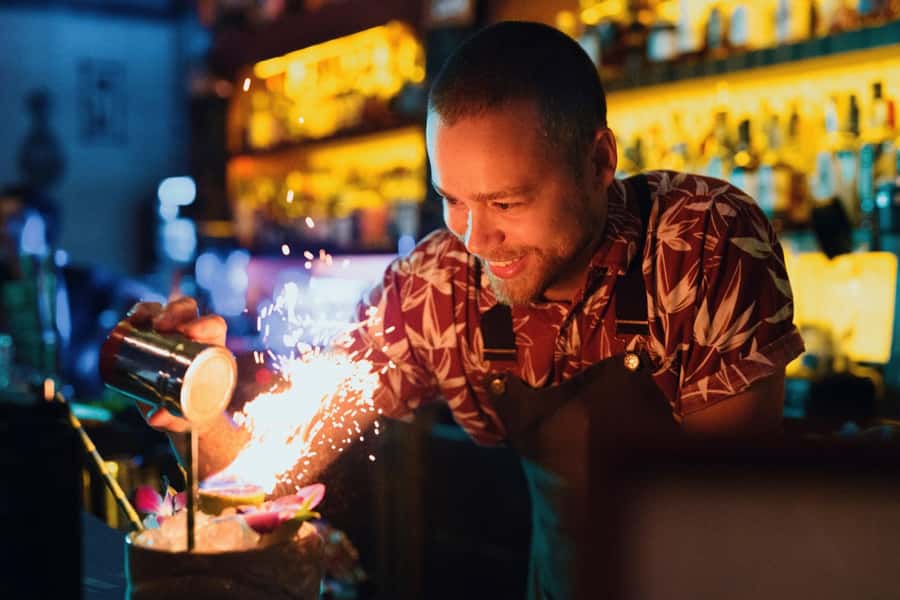
The route moves between venues on foot through central Melbourne lanes and streets. The walks are part of the experience, since the guide uses the spaces between bars to explain how the city developed, but comfortable shoes are still a good idea.
Melbourne’s weather deserves attention. Check the forecast, wear layers, and bring rain protection if needed. You may move between narrow outdoor lanes, indoor rooms, and possibly a rooftop, so a flexible outfit works better than something chosen only for a single bar.
The tour is for adults aged 18 and over. Children under 18 are not permitted. It is listed as wheelchair accessible, but the daily venue mix may affect the practical ease of moving through particular bars, so contact the operator if you need specific access information.
The tour is in English and has a maximum of 12 people. There is no hotel pickup or drop-off, so plan to reach Gordon Reserve independently and arrange your own way home.
Who will get the most from this tour
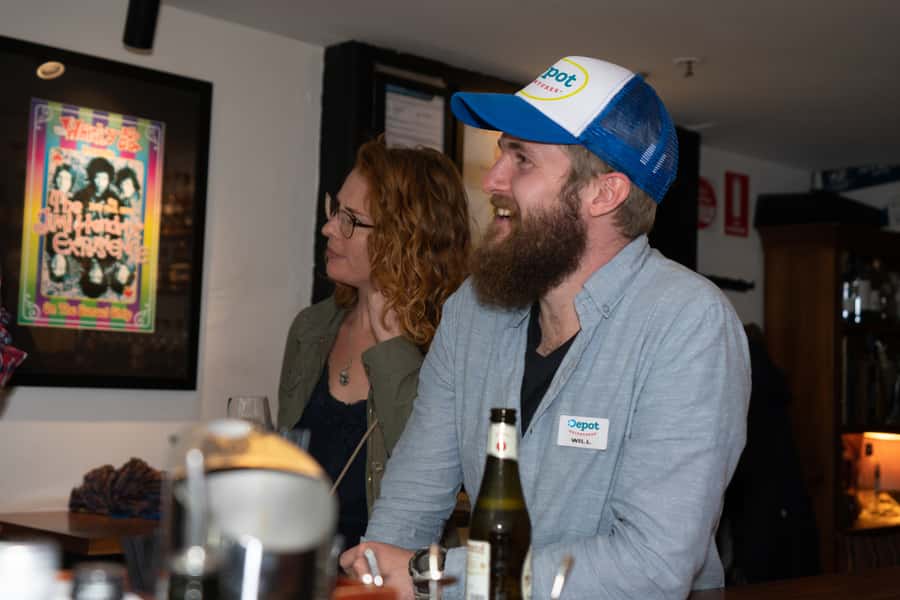
I would recommend it most strongly to:
- First-time Melbourne visitors who want more than major attractions
- Returning visitors who have already seen the central sights
- Local residents who know the city but not its small-bar history
- Solo adults who like meeting people in a low-pressure setting
- Couples and friends who want a social afternoon with a story attached
- Drinkers interested in cocktails, gin, beer, wine, and unusual bar settings
It is less suitable if you want a fixed list of famous bars, a full meal, or a serious cocktail class. It is also not a good match if you dislike walking between venues or prefer a quiet private outing.
The tour can work in wet weather because much of the time is indoors, but the outdoor sections still matter. If the forecast is poor, dress for it rather than assuming the lanes will be covered.
Is Melbourne’s laneway bar tour worth booking?
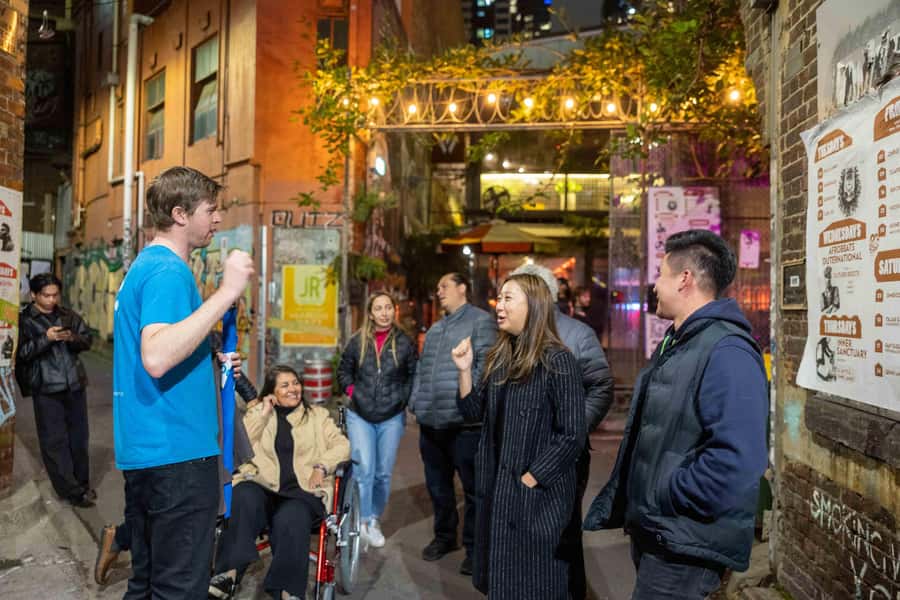
I would book this if your idea of a good city experience includes four drinks or drink stops, local stories, and places you would probably miss on your own. The best reason to go is not the number of bars. It is the way the guide links old buildings, back lanes, and changing nightlife into one readable picture of Melbourne.
The flexible venue list is both strength and limitation. It keeps the route adaptable, but you cannot guarantee a particular stop. At 63 dollars, the tour offers fair value if you use the guide’s map and recommendations afterward and order at least a few drinks beyond the included welcome drink.
Book it for the guide, the small group, and the chance to see Melbourne from inside its less obvious drinking rooms. Skip it if you need a fixed itinerary or want all drinks and food covered. For most adults who want an easy, social introduction to the city’s bar culture, this is a smart way to spend three hours.
FAQ
How long does the Melbourne laneway bar tour last?
The experience lasts three hours.
How many bars will I visit?
You will visit four establishments. The exact venues change daily and are selected from the operator’s network of established Melbourne bars.
Are the named bars guaranteed?
No. Potamida, Little Lon Distilling, Dom’s Social Club, Mill Place Merchants, Music Room, Union Electric Bar and Rooftop, Whitehart Lane, and Seamstress Restaurant and Bar are examples of possible venues rather than a fixed route.
Is a drink included in the price?
Yes. Your first drink at the opening venue is included. Additional drinks are not included.
Is food included?
No. Food is not included in the tour price.
Where do I meet the guide?
The meeting point is Gordon Reserve. Your guide will be holding a blue umbrella. The activity details also list 74 Spring St as the starting location, so check your voucher for the exact instructions.
Can people under 18 join?
No. The tour is for adults aged 18 and over, and children under 18 are not permitted.
More Nightlife in Melbourne
- Hidden Bars & Laneway Legends Tour Of Melbourne
★ 5.0 · 177 reviews - Creepy Tales, Bars & Laneways Of Melbourne Walking Tour
★ 5.0 · 169 reviews - Melbourne Pub Crawl
★ 5.0 · 87 reviews - Hidden Bars of Melbourne
★ 4.5 · 38 reviews
Recently added around Melbourne
- Great Ocean Road: Kayaking with Seals Tour★ 4.6 · 3 reviews
- Happy Slam Australian Open Melbourne Sports Experience★ 5.0 · 3 reviews
- Coastal Magic – Melbourne 12 Apostles & Beyond★ 4.0 · 3 reviews
- From Melbourne: Mornington Peninsula Hop-On-Hop-Off Bus★ 5.0 · 3 reviews
- Werribee Mansion & Sovereign Hill Tour★ 3.7 · 3 reviews
- Bellarine Winery: Texas BBQ Platter Lunch with Wine★ 3.0 · 3 reviews
- Great Ocean Road Private Day Tour★ 5.0 · 3 reviews
- Melbourne City & Brighton Beach Boxes Helicopter Tour★ 4.5 · 3 reviews
Melbourne Laneways, compared.
Ultimate Melbourne Walking Tour: History, Laneways & Culture
Read our review →
Melbourne’s Living Laneway Scene: Local Bars and Their Stories
Read our review →
Original Melbourne Lanes and Arcades Walking Tour
Read our review →Ultimate Melbourne Walking Tour: History, Laneways & Culture
Read our review →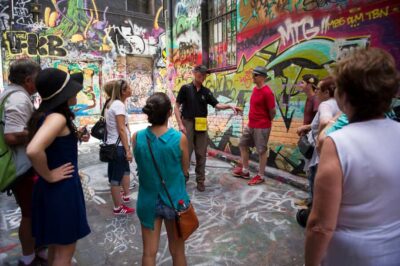
Melbourne Lanes & Arcades Chocolate and Dessert Walking Tour
Read our review →
Melbourne Food Tour with 8+ Food Tastings in Hidden Laneways
Read our review →
Browse the lists this tour appears in