
Reviewed · WALKING TOURS
Melbourne: Private Foodie’s Guide to Footscray Walking Tour
Footscray gives you a side of Melbourne that sits well beyond the usual CBD circuit. On this private food walk, you move through markets, bakeries, street art, community spaces, and immigrant-run food businesses while learning how different communities helped shape the suburb. The food is the hook, but the local stories are the real meal.
I especially like the mix of a fresh Vietnamese banh mi and Sicilian cannoli, followed by an Ethiopian coffee tradition. I also like the walk’s clear community focus, from William Cooper’s activism to the work of the Footscray Community Arts Centre and the Asylum Seeker Resource Centre. The main consideration is value: at $134 per person, this is not a cheap snack tour, so you should want history, conversation, and a private guide rather than just a few tastings.
In This Review
- Key points at a glance
- Why Footscray makes a good food walk
- Starting outside Footscray Station
- Footscray Market and the banh mi stop
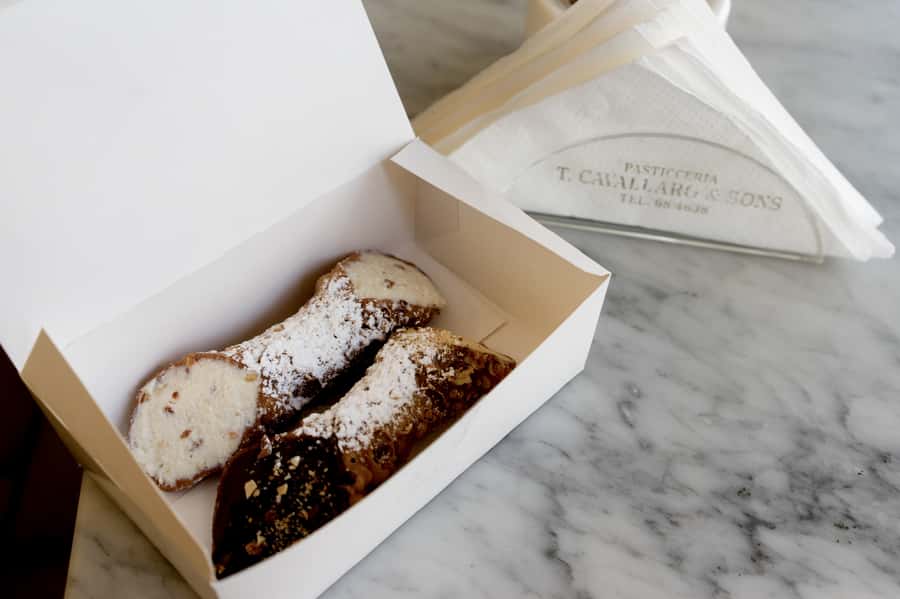
- Sicilian cannoli at T. Cavallaro & Sons
- Street art and the walk toward the arts center
- Footscray Community Arts Centre
- Asylum Seeker Resource Centre and the social story
- Ethiopian coffee and injera
- Price, private value, and what is included
- Who should book this Footscray walk?
- Practical details before you go
- Should you book it?
- FAQ
- Where does the Footscray food tour meet?
- How long does the tour last?
- Is the tour private?
- What food is included?
- Will I try Ethiopian coffee?
- Can dietary restrictions be accommodated?
- Is the tour suitable for children and wheelchair users?
- Can I cancel or pay later?
Key points at a glance
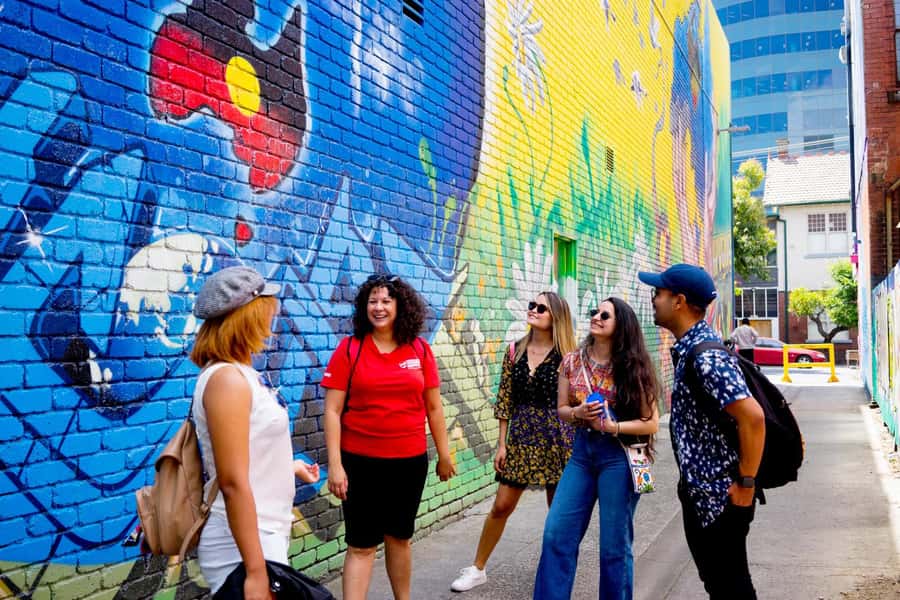
- Three distinct food traditions: Taste Vietnamese banh mi, Sicilian cannoli, and Ethiopian coffee during one walk.
- Footscray beyond the tourist center: See the market, street art, community art, and local streets that many first-time visitors skip.
- Stories with social weight: Hear about William Cooper, Franco Cozzo, migration, refugees, and local community work.
- Private 150-minute format: You get a guide focused on your group, with room for questions and dietary requests made in advance.
- A useful city view: The route includes views toward Melbourne’s skyline as well as neighborhood scenes.
- Travel with a local benefit: The tour is carbon-neutral, and $1 per person goes to community organizations visited along the way.
Why Footscray makes a good food walk
Footscray is one of the best places in Melbourne to see how food, migration, and daily life overlap. This is not a polished sightseeing district built around a few famous landmarks. It is a working suburb with a local market, independent food shops, community organizations, political art, and people from many cultural backgrounds.
That makes the tour a good choice if you have already seen the main Melbourne sights and want to understand the city through one of its neighborhoods. You are not simply shown a restaurant and handed a sample. The guide connects what you eat with the people and traditions that helped shape Footscray.
The tour begins after an acknowledgment of the Traditional Owners of the area. That opening matters because the walk is not presented as a simple story of immigration arriving in an empty place. You hear about First Nations history and activism alongside the later communities that made Footscray home.
The tour lasts 150 minutes, or two and a half hours. That is enough time for several food stops and a good amount of walking without taking up your whole day. Wear comfortable shoes and clothes. The route includes streets, markets, and community spaces, and you will get more from it if you are ready to walk at an easy but steady pace.
More food tours in Melbourne:
- Melbourne Foodie Discovery Walking Tour
★ 5.0 · 530 reviews - Yarra Valley Food Wine and Gin Tour Departing From Melbourne
★ 5.0 · 359 reviews - Melbourne: 3-Hour Foodie Discovery Walking Tour
★ 4.9 · 313 reviews
Starting outside Footscray Station
The meeting point is outside Footscray Railway Station at 37 Irving Street, at the bottom of the main concourse steps. This is a practical starting point because you can reach the neighborhood by train and avoid arranging a separate meeting location deep in the suburb.
Arrive ready to begin rather than expecting a long orientation. Your English-speaking guide leads the private group into Footscray, helping you read the suburb through its shops, smells, public art, and street life.
A private format is useful here. Footscray is best understood through questions: Why are certain foods common in this area? How did different migrant communities settle here? What role do local organizations play? With your own group, you can ask more freely and spend a little longer on subjects that interest you.
The experience has been led by guides including Tristan, whose clear storytelling and personal attention helped make the walk memorable for earlier groups. Guide availability can change, so do not book expecting a particular person unless the operator confirms it.
Footscray Market and the banh mi stop

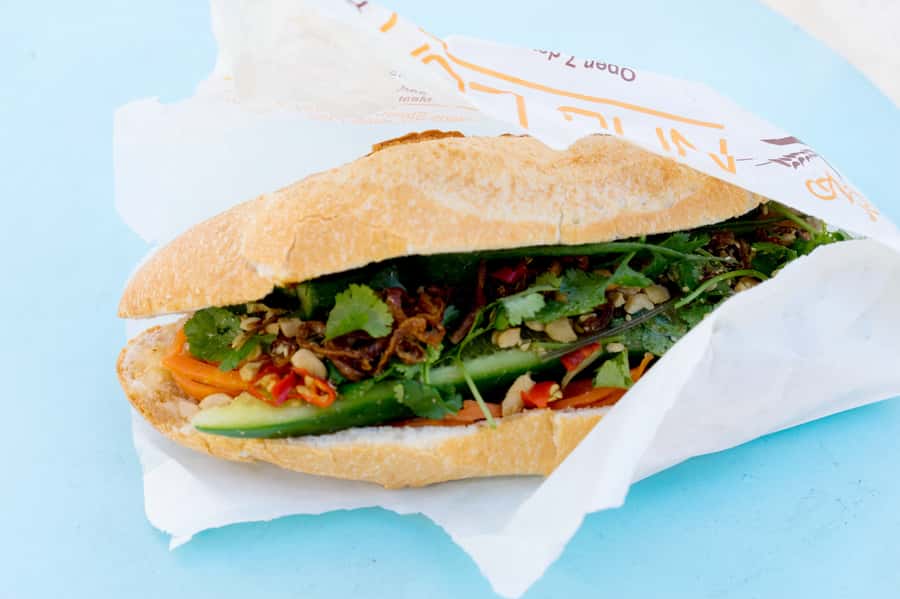
The first substantial stop takes you toward Footscray Market and To’s Bakery & Cafe. You have about 20 minutes here for sightseeing, food tasting, and a look at the market scene.
This is where the tour first feels like a local outing rather than a standard city excursion. You can take in the smells and displays of a market known for variety and everyday prices. The point is not to rush through a list of exotic products. It is to see where local residents shop and how food businesses serve the neighborhood.
Your included Vietnamese banh mi gives you a practical introduction to one of Footscray’s most recognizable food traditions. A banh mi is a Vietnamese filled bread roll, and on this walk it functions as both lunch-sized tasting and cultural clue. You get to eat something associated with the suburb while hearing about the Vietnamese community and the wider movement of people who have made Melbourne their home.
The food is included, but additional food and drinks cost extra. If you enjoy markets, you may want to buy something else, so leave a little room in your appetite and budget. The tour is not designed as an all-you-can-eat event. It gives you selected tastes and context, then leaves you free to explore further on your own.
Sicilian cannoli at T. Cavallaro & Sons
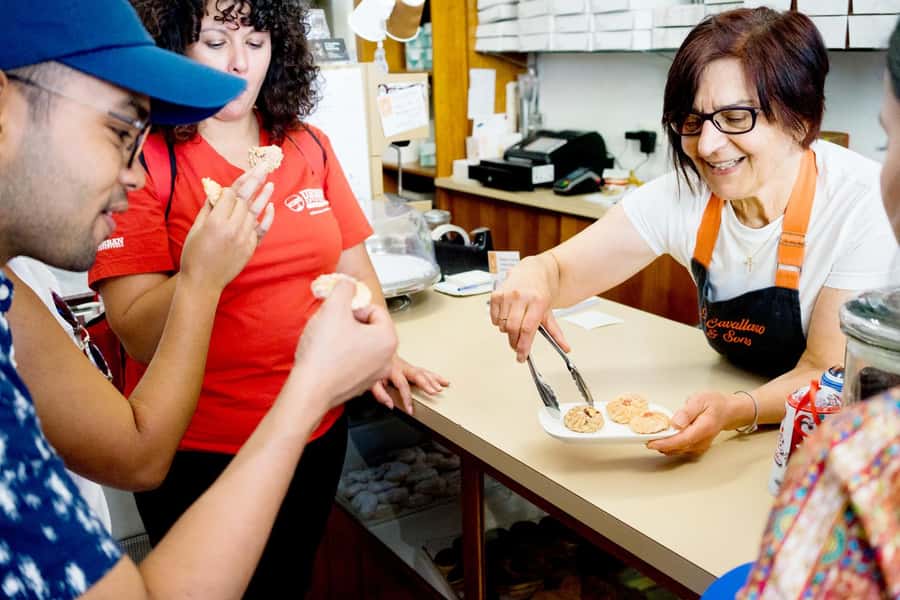
The next food stop is T. Cavallaro & Sons, with around 35 minutes for a visit, sightseeing, and tasting. The Sicilian cannoli creates a sharp contrast with the banh mi. Instead of one food story, you see how several immigrant traditions found a place in the same suburb.
Cannoli are crisp pastry tubes filled with a sweet ricotta mixture. The stop gives you a chance to consider how Italian food became part of Melbourne’s everyday culture, not just a special-occasion cuisine. It also helps keep the walk from feeling like a single-country food tour.
I like this part because the contrast makes the neighborhood easier to understand. Vietnamese and Sicilian food are not treated as unrelated samples. They become signs of Footscray’s changing population and the businesses that continue those traditions.
The generous 35-minute allocation should give your guide time to explain the stop rather than simply pass out food and move on. Still, anyone looking for a full meal should set expectations carefully. The included tastings are central to the experience, but you may want to plan another meal before or after the tour.
More walking tours in Melbourne:
- Ultimate Melbourne Walking Tour: History, Laneways & Culture
★ 5.0 · 1,451 reviews - Great Ocean Road Tour Plus Koalas, Forest Walk and Morning Tea
★ 4.5 · 1,068 reviews - Great Ocean Road 12 Apostles & Rainforest Walk with Morning Tea
★ 4.5 · 549 reviews - Original Melbourne Lanes and Arcades Walking Tour
★ 5.0 · 389 reviews
Street art and the walk toward the arts center
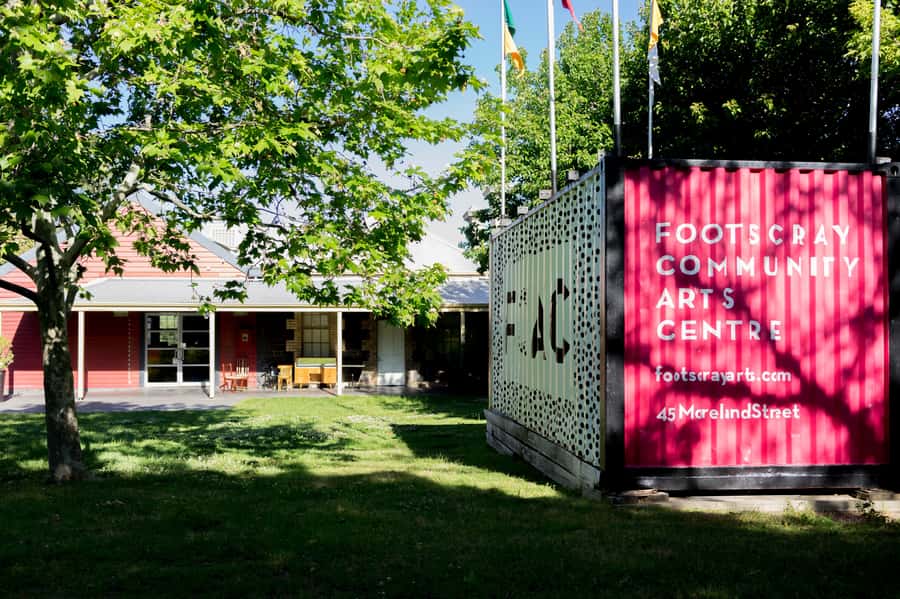
After the food stops, the route turns toward Footscray Community Arts Centre. Along the way, you see street art and hear stories about the suburb’s people and public life.
One local character in the tour is Franco Cozzo, the furniture retailer and television personality associated with Melbourne’s migrant culture. Another is William Cooper, an Aboriginal activist who lived in Footscray and worked from a small house in the suburb to challenge injustice and support Aboriginal rights.
These stories give the walk a stronger purpose. You are not just being shown colorful walls and interesting shops. The guide explains how public space can carry memory, protest, humor, and identity.
You also get views toward the city. That visual link helps place Footscray in relation to central Melbourne. It is close enough to be part of the metropolitan core, yet the neighborhood feels different from the high-rise center. For many visitors, that contrast is one of the most useful things the tour provides.
Footscray Community Arts Centre
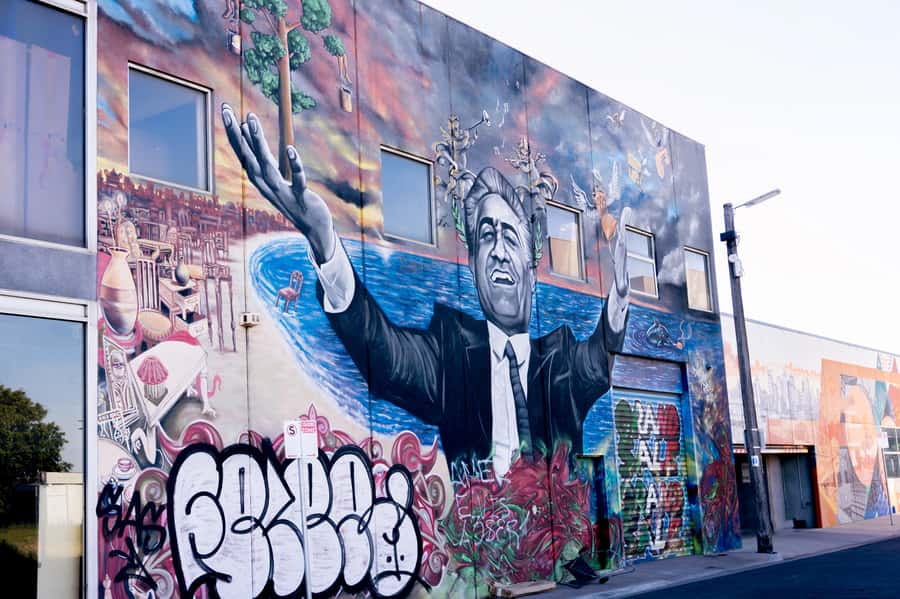
The arts center is scheduled for about 30 minutes of sightseeing and an arts or crafts market visit. It is an important stop because the tour shifts from private food businesses to a community institution.
Here you encounter First Nations and multicultural artwork and learn how the center supports local people. The setting helps explain why art matters in a suburb shaped by migration and political change. A gallery or public art space can show you stories that are easy to miss when you only walk past storefronts.
The market element may vary depending on what is operating on the day. The supplied information does not promise a particular exhibition, artist, or market stall, so you should treat this as a chance to see community work rather than a guaranteed major gallery program.
That uncertainty is worth knowing because the stop’s value comes mainly from the explanation and local connection. If you want a formal museum visit with a large permanent collection, this is not that. If you want to see how art can serve a neighborhood, it fits the tour well.
Asylum Seeker Resource Centre and the social story
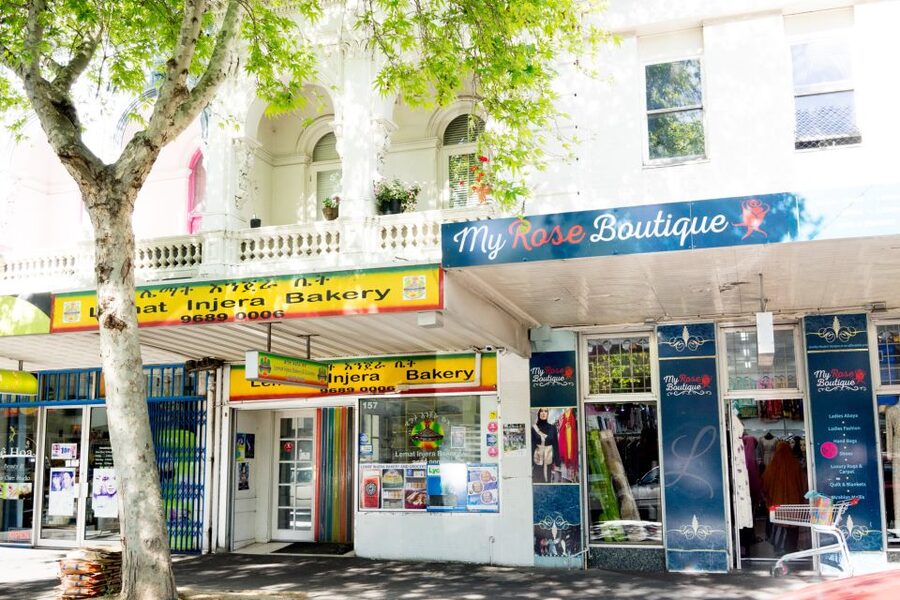
The route then continues toward the Asylum Seeker Resource Centre, with about 35 minutes for a photo stop, sightseeing, and an arts or crafts market visit.
This part brings migration into the present. The guide discusses how migrants and refugees have helped shape Melbourne and points out political street art along the way. You are asked to look at Footscray not just as a collection of cuisines, but as a place affected by policy, activism, displacement, and community support.
The subject matter may not suit someone who wants a light food outing with no serious discussion. For me, it gives the tasting stops more meaning. Food is often one of the first visible ways a community becomes part of a city, but the story also includes the challenges people face and the organizations that support them.
The Asylum Seeker Resource Centre is included as a photo and sightseeing stop, not as a promise of a private tour inside the organization. The guide explains its local relevance and the wider role of community work. Political art can also change over time, so the exact pieces you see may not be the same on every visit.
Ethiopian coffee and injera
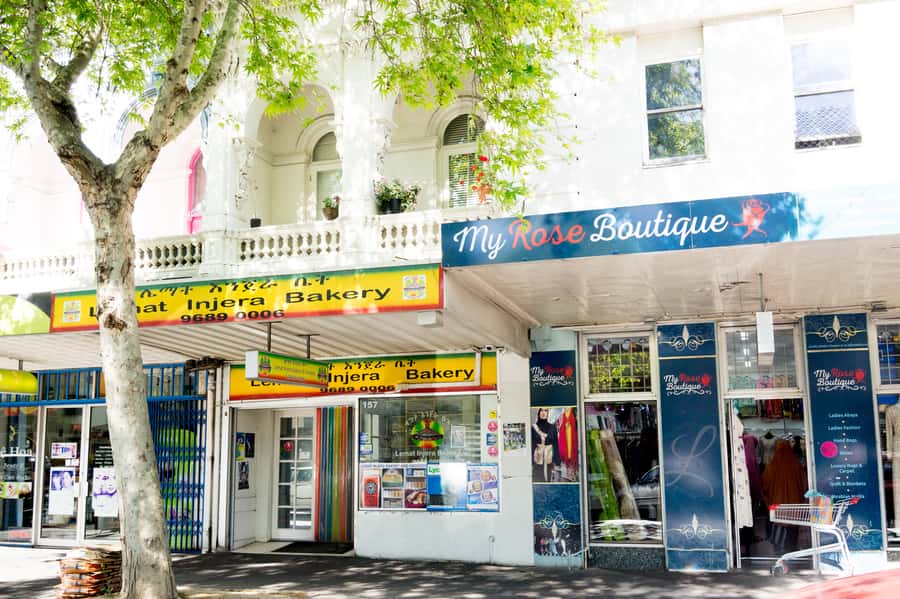
The final food experience takes place at a local Ethiopian restaurant. You enjoy a traditional Ethiopian coffee and learn how injera, a flatbread, is made.
The coffee ceremony is one of the most distinctive parts of the tour. It is not just another cup added to the schedule. The guide uses it to introduce a cultural tradition and show how food preparation can carry social meaning. Earlier visitors singled out this ceremony as especially interesting, and I can see why it would stay with you longer than a standard café stop.
Injera is made from fermented batter and is used as a staple flatbread in Ethiopian meals. The tour focuses on how it is made, giving you a look at the technique behind the food rather than only a finished plate.
Coffee is included at one of the local venues, but the information does not specify a full Ethiopian meal. If you are hungry, do not assume this final stop replaces lunch or dinner. Ask the operator what food is planned if a larger meal is important to you.
Price, private value, and what is included
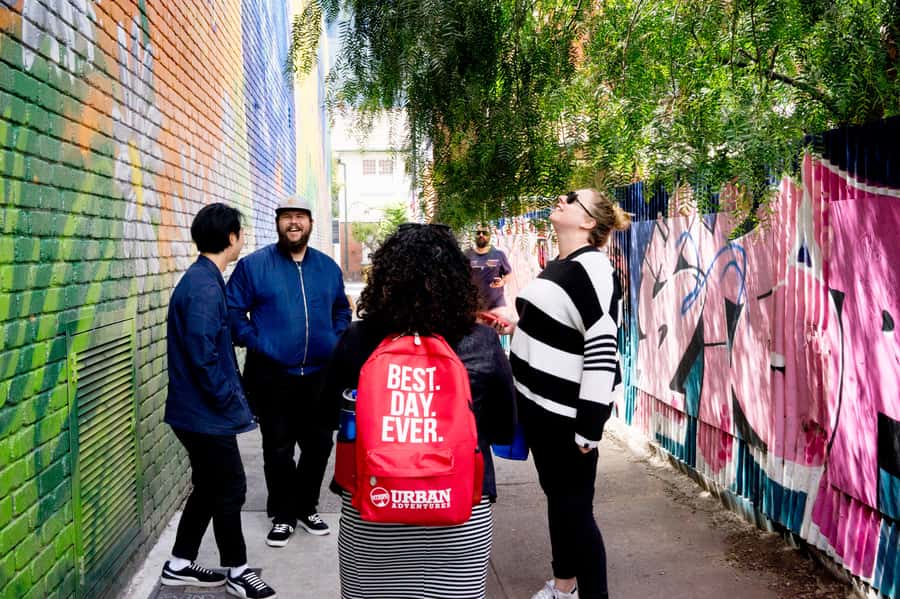
The price is $134 per person. That is a substantial amount for two and a half hours, especially since additional food and drinks are not included. The value depends on what you want from a neighborhood tour.
You are paying for a private group, a local English-speaking guide, three food traditions, community and migration stories, and access to a planned route that would take more effort to piece together yourself. A standard food crawl might offer more samples for less money, but it may not include the same attention to Footscray’s history, First Nations activism, and social organizations.
I would consider the tour good value for a couple, family, or small group that wants conversation and a tailored pace. It is less compelling if your only goal is to eat as much as possible. Think of it as a food and culture walk with tastings, not a progressive feast.
The tour also includes a $1 donation per person to local community organizations visited along the route. It is a small amount, but it gives part of the booking fee a direct local purpose. The operator is a B Corp accredited company and describes the tour as carbon-neutral, which may matter to you when comparing similar experiences.
Dietary restrictions can usually be accommodated if you report them in advance. If a planned venue cannot accommodate the group, a suitable alternative is offered. Do not wait until the meeting point to mention allergies or food restrictions.
Who should book this Footscray walk?
I would recommend this tour to you if you want to get beyond central Melbourne and understand the city through one neighborhood. It suits first-time visitors who have an extra half-day, repeat visitors looking for local texture, and families who like food with a story attached.
It is also a good match if you value a private guide. You can ask about the places you pass, pause for questions, and keep the experience focused on your group. Children are welcome, and children under six may join free when arranged at booking.
You may want a different activity if you dislike walking, prefer a large formal tour, or want a full meal at every stop. The tour is wheelchair accessible, but because the route passes through markets, streets, and several venues, confirm any specific mobility needs before booking.
The experience has an average rating of 4.3 from five ratings, with particularly strong praise for its information, local feel, food, and Ethiopian coffee ceremony. The repeated approval of guides such as Tristan also points to the importance of the person leading the walk. This is a guide-led experience, so the quality of the conversation matters as much as the food.
Practical details before you go
Meet outside Footscray Railway Station at 37 Irving Street, at the bottom of the main concourse steps. The walk is in English and operates as a private group.
Wear comfortable shoes and clothes, and bring a camera. You can cancel up to 24 hours before the start for a full refund, and the reserve-now, pay-later option keeps your payment flexible while your plans settle.
The tour is child-friendly and wheelchair accessible. Tell the operator about dietary needs when booking. Also bring an appetite, but not an expectation of a full day of eating. The included banh mi, cannoli, and coffee provide a well-chosen sample of Footscray, while extra purchases are your responsibility.
Should you book it?
Book this Footscray walking tour if you want local food paired with real social history, not just a list of tastings. The banh mi, cannoli, and Ethiopian coffee give the walk flavor, while William Cooper, Franco Cozzo, political street art, and the community organizations give it substance.
At $134, it is best for people who value a private guide and a carefully connected story. If you only want the cheapest way to try Melbourne food, spend the money elsewhere. If you want to see how migration, First Nations activism, art, and neighborhood businesses meet in one part of the city, this is a thoughtful way to spend two and a half hours.
FAQ
Where does the Footscray food tour meet?
Meet outside Footscray Railway Station at 37 Irving Street, Footscray, at the bottom of the main concourse steps.
How long does the tour last?
The tour lasts 150 minutes, or two and a half hours.
Is the tour private?
Yes. It operates as a private group experience with a live, English-speaking guide.
What food is included?
The price includes a Vietnamese banh mi, a Sicilian cannoli, and coffee at one of the local venues.
Will I try Ethiopian coffee?
Yes. The tour visits a local Ethiopian restaurant, where you enjoy traditional Ethiopian coffee and learn how injera is made.
Can dietary restrictions be accommodated?
Most dietary restrictions can be accommodated if you notify the operator in advance. If a planned venue cannot accommodate the group, a suitable alternative is offered.
Is the tour suitable for children and wheelchair users?
Yes. It is child-friendly and wheelchair accessible. Children under six may join free, but you need to mention this when booking.
Can I cancel or pay later?
You can cancel up to 24 hours in advance for a full refund. A reserve-now, pay-later option is also available.
Recently added around Melbourne
- Great Ocean Road: Kayaking with Seals Tour★ 4.6 · 3 reviews
- Happy Slam Australian Open Melbourne Sports Experience★ 5.0 · 3 reviews
- Coastal Magic – Melbourne 12 Apostles & Beyond★ 4.0 · 3 reviews
- From Melbourne: Mornington Peninsula Hop-On-Hop-Off Bus★ 5.0 · 3 reviews
- Werribee Mansion & Sovereign Hill Tour★ 3.7 · 3 reviews
- Bellarine Winery: Texas BBQ Platter Lunch with Wine★ 3.0 · 3 reviews
- Great Ocean Road Private Day Tour★ 5.0 · 3 reviews
- Melbourne City & Brighton Beach Boxes Helicopter Tour★ 4.5 · 3 reviews
Walking Tours, compared.
Ultimate Melbourne Walking Tour: History, Laneways & Culture
Read our review →
Great Ocean Road Tour Plus Koalas, Forest Walk and Morning Tea
Read our review →
Great Ocean Road 12 Apostles & Rainforest Walk with Morning Tea
Read our review →
Original Melbourne Lanes and Arcades Walking Tour
Read our review →Ultimate Melbourne Walking Tour: History, Laneways & Culture
Read our review →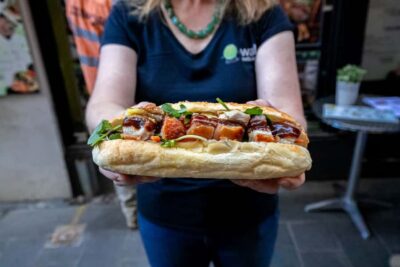
Melbourne Lanes & Arcades Chocolate and Dessert Walking Tour
Read our review →Browse the lists this tour appears in