Reviewed · ZOOS
Melbourne Zoo: Australian Wildlife Experience Ticket
Melbourne Zoo’s best morning surprise is not a grand show. It is the quiet start of the day, when koalas Karri and Waru wake up, kangaroos begin breakfast, and wombats settle into their burrows. You get early access before the zoo opens, with only up to 10 people in the group.
I like the close look at animal care, especially the time with the kangaroo mob and their keepers. I also like the mix of stops: koalas, wallabies, wombats, and native birds in one short visit. The main drawback is simple: the $65 price does not include general zoo admission, so you must pay for both.
In This Review
- Key points at a glance
- Why the first hour at Melbourne Zoo matters
- Meeting Karri and Waru as they wake
- Inside the kangaroo exhibit before opening
- Tamar and Swamp wallabies are a welcome bonus
- Going underground with the wombats
- The Great Flight Aviary closes the morning
- The keepers make the short format worthwhile
- What the $65 price really covers
- Who should book this morning encounter
- Practical timing and meeting advice
- My verdict on the Melbourne Zoo experience
- FAQ
- How long does the Melbourne Zoo Australian Wildlife Experience last?
- What time does the tour begin?
- Where is the meeting point?
- Is Melbourne Zoo admission included?
- What animals can I see?
- Are the wallabies guaranteed to appear?
- Which birds might I see in the aviary?
- Is the tour guided?
- How many people can join the group?
- Can children under 5 join?
Key points at a glance
- Koalas Karri and Waru: Start the morning by seeing two named koalas as they wake for the day.
- Kangaroo back-of-house access: Meet the kangaroo mob and the keepers who care for them.
- Possible wallaby sightings: Tamar and Swamp wallabies may appear, though animal participation is never guaranteed.
- Wombat burrows: Visit the underground nocturnal area while the wombats get comfortable in their burrows.
- Great Flight Aviary: Listen for rainbow lorikeets, bower birds, kookaburras, and other native species.
- Small, short format: The tour lasts 45 minutes, begins at 8:00am, and is limited to 10 people.
Why the first hour at Melbourne Zoo matters
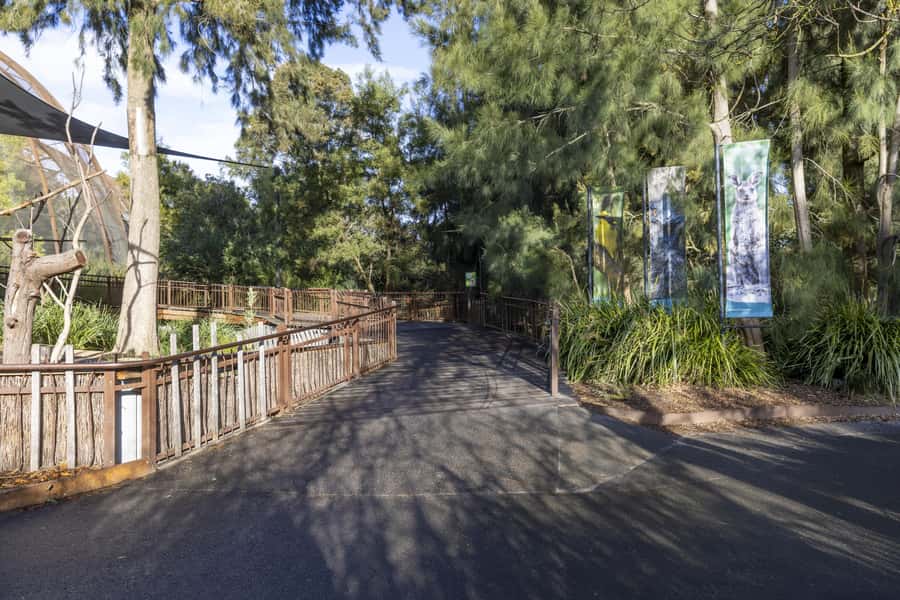
Most zoo visits begin once the public gates open and the day is already in motion. This experience gives you a different view. You arrive at the main gate at 7:55am, meet the guide, and enter before regular visitors are admitted.
That early timing is the point, not a minor extra. You see animals at the beginning of their daily routine rather than halfway through a busy day. Koalas may be waking, kangaroos may be eating, and wombats may be returning to the comfort of their burrows.
I also like the smaller setting. With no more than 10 participants, you have a better chance to hear the guide and ask a question. It is still a group visit, not a private tour, but it should feel more personal than a standard walk through the zoo.
The tradeoff is the early start. You need to be at the main entrance before 8:00am, and the 45-minute visit leaves little room for delays. If you arrive late, you could miss part of a short program.
More wildlife trips near Melbourne:
- From Melbourne: Great Ocean Road, 12 Apostles, Wildlife Tour
★ 4.7 · 6,020 reviews - Penguin Parade, & Wildlife Encounters Eco Tour from Melbourne
★ 5.0 · 3,774 reviews - Melbourne Great Ocean Rd Reverse Tour London Bridge Wildlife
★ 4.7 · 2,252 reviews
Meeting Karri and Waru as they wake
The visit includes time with koalas Karri and Waru. The appeal here is not simply seeing another koala behind glass. The early schedule lets you see them at a quieter point in the day, as they wake and begin their morning.
Koalas are often associated with sleep, so this stop gives the animal a little more context. The guide can explain how keepers care for them and what you are seeing in their morning routine. You will not be promised a dramatic encounter, and that is worth remembering. The animals choose how active they are.
The named koalas also make the visit feel more specific. Instead of rushing past an unnamed animal enclosure, you are introduced to individual animals with their own habits and care needs.
I would treat this stop as a calm opening rather than the main thrill of the tour. If you want a close, active animal encounter, the kangaroo section is likely to hold your attention longer. If you appreciate quiet observation, Karri and Waru set the right tone.
Inside the kangaroo exhibit before opening
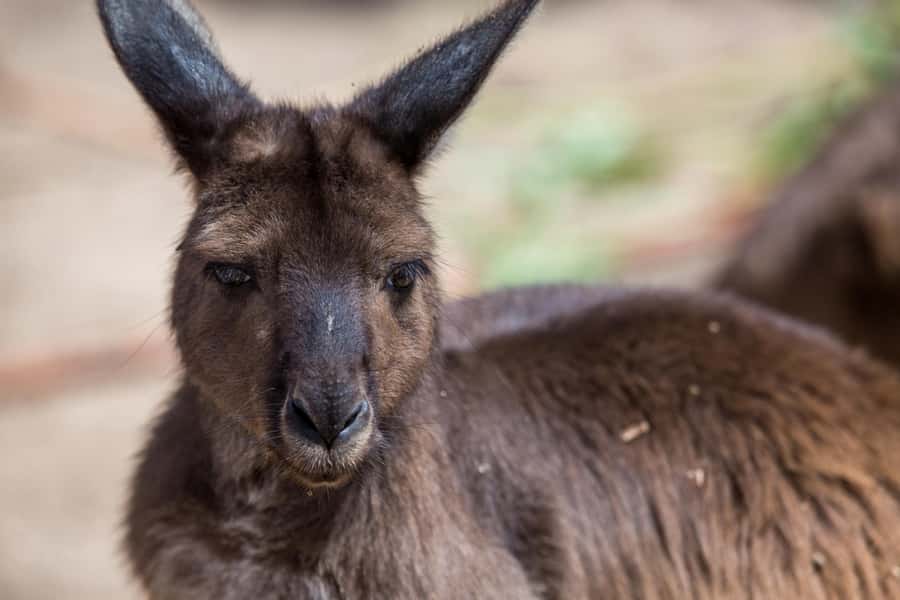
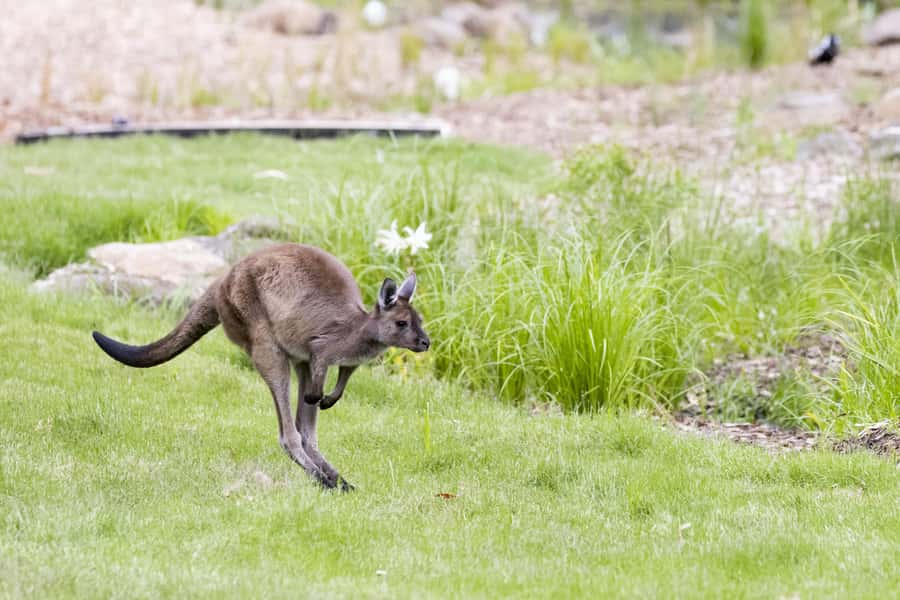
The kangaroo section is the heart of the experience. You go into the back of the house kangaroo exhibit, meet a mob, and speak with the keepers responsible for their care.
This behind-the-scenes access matters because it changes the way you see the animals. A normal zoo path gives you a viewing point. Here, you get a little more understanding of what happens around the exhibit and how the animals are looked after.
One useful detail is the timing around breakfast. The kangaroos may be eating as you visit, which gives you a natural activity to watch instead of a staged performance. You can see their behavior while the keepers explain their daily work.
The group size helps here. A maximum of 10 people makes it easier to stay close enough to follow the guide without being swallowed by a crowd. Still, keep your expectations sensible. This is not a promise that you will touch or feed a kangaroo. It is an animal-care visit, and the keepers let the animals decide how they take part.
That approach is a strength. You get a more honest encounter when the animals are not pushed into a routine for the sake of the audience. It also means every visit can feel a little different.
Tamar and Swamp wallabies are a welcome bonus
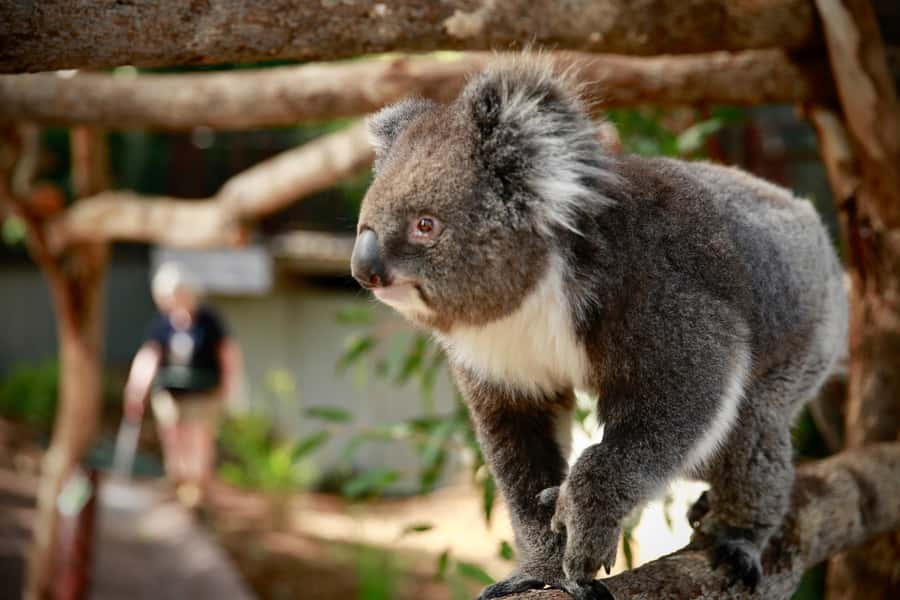
The experience may also include Tamar and Swamp wallabies. These species are smaller than the better-known kangaroo, and seeing them adds variety to the native wildlife focus.
The word may matters. The information for the tour does not promise a guaranteed wallaby appearance, so do not book this solely for a particular species. Think of the wallabies as a possible extra within the kangaroo section.
That uncertainty is part of any animal visit. The keepers allow individual animals to decide how they participate, which is better for the animals and gives the guide room to respond to what is actually happening.
If the wallabies appear, you get a chance to compare their size and behavior with the kangaroos. If they do not, the kangaroo encounter still forms the main part of the visit.
More zoo visits near Melbourne:
- Melbourne Zoo: 1-Day Entry Ticket
★ 4.5 · 747 reviews - Werribee Open Range Zoo: Entry Ticket
★ 4.5 · 646 reviews - Melbourne Zoo General Entry Ticket
★ 4.0 · 333 reviews - Werribee Open Range Zoo General Admission Ticket
★ 4.0 · 143 reviews
Going underground with the wombats
The wombat stop takes you into an underground, nocturnal world. Wombats are built for life around burrows, so this setting gives you a useful look at an animal that can be easy to miss during a normal zoo visit.
The wording here is cozy rather than action-packed. The wombats may be settling into their burrows, which means you could see a quieter side of their routine. That is a good fit for anyone who likes animal behavior and keeper insight more than theatrical displays.
This stop also breaks up the visit nicely. You move from open kangaroo areas to the darker, more enclosed wombat environment, then finish among birds. In only 45 minutes, the experience covers several distinct habitats.
Do not expect a long wombat session. The full program includes several stops, so the time at each one is limited. The value comes from the range and access, not from spending an hour with a single animal.
The Great Flight Aviary closes the morning
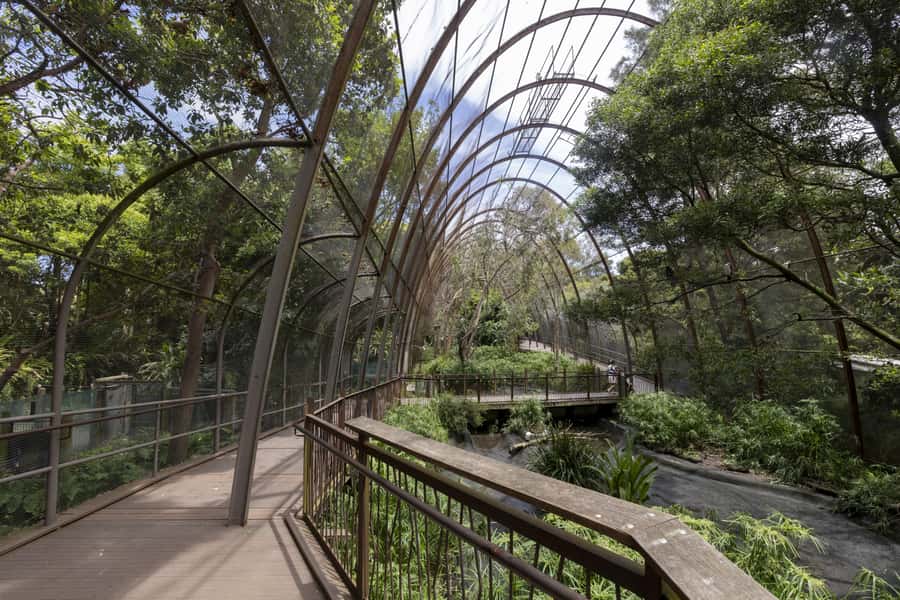
The final stop is the Great Flight Aviary, where you can listen for native birds from marine, rainforest, and bushland habitats.
This is a strong ending because it changes the focus from mammals to sound and movement. Keep your eyes open for rainbow lorikeets, bower birds, and kookaburras. You might see a bower bird guarding or hiding its blue treasures, or hear the familiar laugh of a kookaburra.
The bird visit is intentionally open-ended. The guide cannot control which species appears or what each bird does. That makes the aviary feel less like a checklist and more like a short chance to notice what is around you.
I would give this stop your full attention. A bird can be harder to spot than a kangaroo, and the sounds may be the first clue that something is nearby. The guide can help point out species and explain the different environments represented in the aviary.
The keepers make the short format worthwhile
The value of this activity rests heavily on the guide and keepers. They explain how the animals are cared for and help you understand what you are seeing. The strongest feedback specifically praises the staff’s friendly manner and animal knowledge.
Catherine is singled out as an exceptional guide, while Jordan is praised for an excellent visit focused on koalas and kangaroos at breakfast. Those names come from individual departures, so you should not assume one of them will lead your tour. Still, they show the kind of guide-led experience the program aims to provide.
I like that the keepers are part of the visit rather than background staff. Their work gives the tour meaning. You are not just collecting photographs. You are learning about daily care, animal choice, and conservation in a place where those ideas are visible.
The language is English, and the tour has a live guide. If you want a self-guided early entry, this is not that. The benefit is the chance to ask questions and get explanations as the animals are active.
What the $65 price really covers
At $65 per person, this is not a cheap add-on, especially because Melbourne Zoo general admission is not included. You must buy entry for the same date as the encounter, so your total visit cost is higher than the advertised activity price.
I would judge the value by the access rather than the length. Forty-five minutes is brief, but it includes early entry, keeper contact, a back-of-house kangaroo visit, koalas, possible wallabies, wombats, and the Great Flight Aviary.
The price makes more sense if you already plan to spend several hours at Melbourne Zoo afterward. Once the special visit ends, you can continue exploring with your regular admission ticket. The early program then acts as a focused opening to a full zoo day.
It is harder to justify if you only have a short amount of time in Melbourne or if you are mainly seeking general zoo admission. In that case, the separate encounter may feel expensive for 45 minutes.
The best value comes from treating it as a specialist experience. You are paying for the early hour, the small group, and access that a normal zoo visit may not provide.
Who should book this morning encounter
I would recommend it to families with children aged 5 and older who are comfortable with an early start. One family visit included grandparents and grandchildren, and the format suits several generations because the walk is short and the subject matter is easy to enjoy together.
It also suits adults who care about wildlife conservation and animal care. The keeper contact gives you more than a quick viewing stop, and the smaller group allows the guide to explain individual animals.
Photography-focused visitors should keep their plans flexible. The animals control the encounter, and the tour does not promise a particular pose, feeding moment, or close contact. You may get a wonderful photograph, but the stronger reason to go is the access and explanation.
Children under 5 cannot join. The experience is wheelchair accessible, but you should still make sure the booking details match your needs before committing.
Practical timing and meeting advice
You meet at the Melbourne Zoo main gate entrance at 7:55am, and the tour departs at 8:00am. I would plan to be at the gate a little before the stated meeting time, since the zoo is not yet open to regular visitors.
Pay close attention to the meeting instructions. One booking note used both the main gate and another point inside the zoo, but an inside location could not be reached while the zoo was closed. The safest practical advice is to use the main gate entrance as your reference and confirm the exact directions before the morning.
The tour lasts 45 minutes. That makes it easy to add to a full day, but it also means you should not expect a slow, extended visit at every enclosure.
You can reserve now and pay later, and cancellation is free up to 24 hours in advance for a full refund. Those policies help if your schedule is still moving, but the early meeting time remains the part you need to plan most carefully.
My verdict on the Melbourne Zoo experience
I would book this if you want more than a standard zoo walk and can manage the early start. The kangaroo back-of-house visit is the clearest reason to go, while the koalas, wombats, wallabies, and aviary create a well-rounded short program.
I would skip it if you dislike early mornings, only want general zoo admission, or need a long animal encounter at one enclosure. Remember to budget for the separate zoo ticket, and keep expectations realistic: the animals choose how much of themselves you see.
For the right visitor, this is a thoughtful opening to a Melbourne Zoo day. You get a small group, keeper guidance, and a look at Australian wildlife before the public arrives. That combination is worth the extra cost for families, wildlife fans, and anyone who values quiet access over a rushed photo stop.
FAQ
How long does the Melbourne Zoo Australian Wildlife Experience last?
The experience lasts 45 minutes.
What time does the tour begin?
You meet at 7:55am, and the tour departs at 8:00am.
Where is the meeting point?
The meeting point is the main gate entrance at Melbourne Zoo.
Is Melbourne Zoo admission included?
No. General admission to Melbourne Zoo is not included, so you need an entry ticket for the same date.
What animals can I see?
The experience includes koalas Karri and Waru, kangaroos, possible Tamar and Swamp wallabies, wombats, and native birds in the Great Flight Aviary.
Are the wallabies guaranteed to appear?
No. The experience provides an opportunity to see Tamar and Swamp wallabies, but animal participation can vary.
Which birds might I see in the aviary?
Possible sightings include rainbow lorikeets, bower birds, and kookaburras, along with native marine, rainforest, and bushland bird species.
Is the tour guided?
Yes. It is a live, English-language guided experience.
How many people can join the group?
The experience is limited to 10 participants.
Can children under 5 join?
No. Children under 5 are not permitted to take part.
Recently added around Melbourne
- Great Ocean Road: Kayaking with Seals Tour★ 4.6 · 3 reviews
- Happy Slam Australian Open Melbourne Sports Experience★ 5.0 · 3 reviews
- Coastal Magic – Melbourne 12 Apostles & Beyond★ 4.0 · 3 reviews
- From Melbourne: Mornington Peninsula Hop-On-Hop-Off Bus★ 5.0 · 3 reviews
- Werribee Mansion & Sovereign Hill Tour★ 3.7 · 3 reviews
- Bellarine Winery: Texas BBQ Platter Lunch with Wine★ 3.0 · 3 reviews
- Great Ocean Road Private Day Tour★ 5.0 · 3 reviews
- Melbourne City & Brighton Beach Boxes Helicopter Tour★ 4.5 · 3 reviews
Zoos, compared.
Werribee Open Range Zoo General Admission Ticket
Read our review →
Deluxe Safari Adventure at Werribee Open Range Zoo – excl. entry
Read our review →
Australian Experience at Werribee Open Range Zoo – excl. entry
Read our review →