
Reviewed · HEALESVILLE & WILDLIFE SANCTUARIES
Moonlit Sanctuary Conservation Park Entry Ticket
Moonlit Sanctuary gives you something many wildlife parks cannot: the chance to walk among free-ranging kangaroos and wallabies rather than viewing every animal behind a fence. Add koalas, dingoes, wombats, Tasmanian devils and more than 60 native species, and you have a strong introduction to Australian wildlife in one stop.
I especially like the regular keeper talks, which explain the animals instead of simply pointing them out, and the broad mix of species, from waterbirds and parrots to reptiles and endangered mammals. The main consideration is time: a ticket covers the sanctuary for one day, but extra encounters can sell out, so plan ahead if meeting a wombat or koala is important to you.
In This Review
- Key things to know before you go
- Walking into ten hectares of Australian bush
- Meeting the kangaroos and wallabies
- Koalas, wombats and the animals you cannot ignore
- Keeper talks and Animals in Action
- Wetlands, parrots and endangered species
- How long to stay and how to plan your route
- Food, shade and family comfort
- Is the $24 entry ticket good value?
- Who should book Moonlit Sanctuary?
- FAQ
- Where is Moonlit Sanctuary Conservation Park?
- How long is the ticket valid?
- What animals can I see at Moonlit Sanctuary?
- Can I feed the kangaroos and wallabies?
- Are koala and wombat encounters included?
- Is Moonlit Sanctuary wheelchair accessible?
- Can children visit without an adult?
Key things to know before you go
- Free-ranging kangaroos and wallabies: You can walk close to them and buy food for feeding, with some visitors paying about $3 extra for feed.
- More than 60 Australian species: Look for koalas, eagles, wombats, dingoes, Tasmanian devils, pythons, parrots, waterbirds and endangered animals.
- Keeper talks and wildlife shows: Daily presentations add useful context, with the Animals in Action show singled out as a highlight.
- Optional animal encounters: Koala and wombat experiences cost extra and may have limited availability.
- A convenient Melbourne side trip: The sanctuary is about 50 minutes southeast of central Melbourne, near the route toward Phillip Island.
- Good family facilities: There is a cafe, gift shop, nearby parking, shade and places to rest, plus wheelchair access.
Walking into ten hectares of Australian bush
Moonlit Sanctuary is set on 10 hectares of bushland at 550 Tyabb-Tooradin Road in Pearcedale, on the northern end of the Mornington Peninsula. It is not a tiny collection of display cases. You are entering a broad outdoor park where animals live in natural-looking enclosures, wetlands and open areas.
That setting matters. Australian wildlife can seem more alive when you see a wallaby resting under a tree, a waterbird moving through wetland habitat or a parrot passing overhead. The sanctuary also gives you a useful sense of the variety of Australian wildlife, not just the familiar koala and kangaroo.
I would allow several hours at minimum, and a full day if you want to attend talks, watch shows, stop for food and add an encounter. Summer visitors should arrive early if kangaroos and wallabies are high on the list. As the day warms, some animals may settle under the trees, making them less active and harder to spot.
The park has shade and places to sit, which helps on a long visit. Flies can be bothersome in warmer weather, especially for children, though insect spray is provided.
More wildlife sanctuary visits near Melbourne:
- Melbourne: Puffing Billy & Healesville Sanctuary Scenic Tour
★ 4.7 · 1,220 reviews - Phillip Island Penguin and Koala Highlights Day-Trip from Melbourne
★ 5.0 · 775 reviews - Full-Day Phillip Island Tour with Kangaroo, Koala and Penguin Parade
★ 4.5 · 658 reviews
Meeting the kangaroos and wallabies
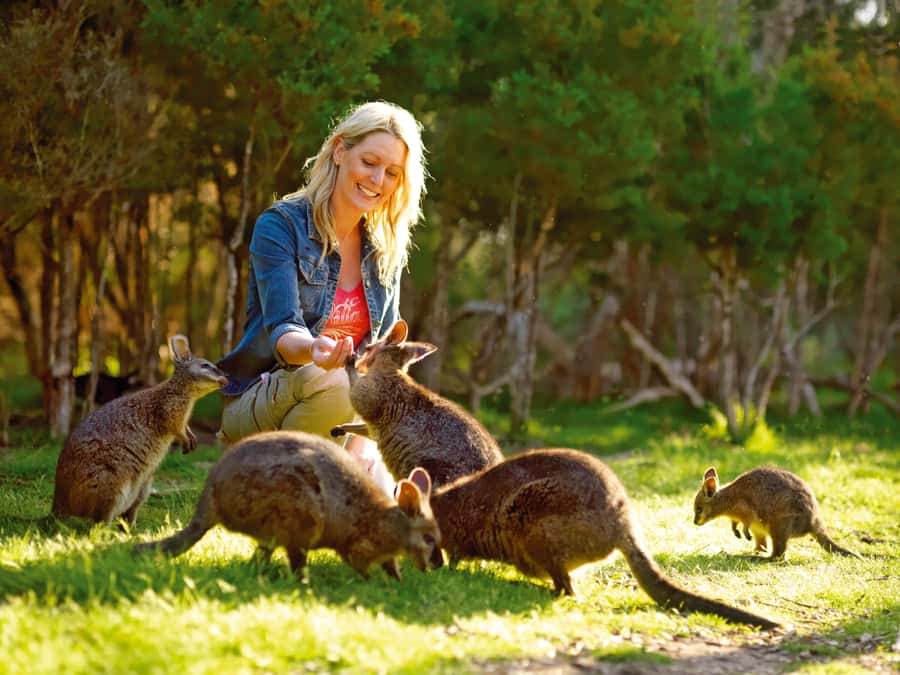
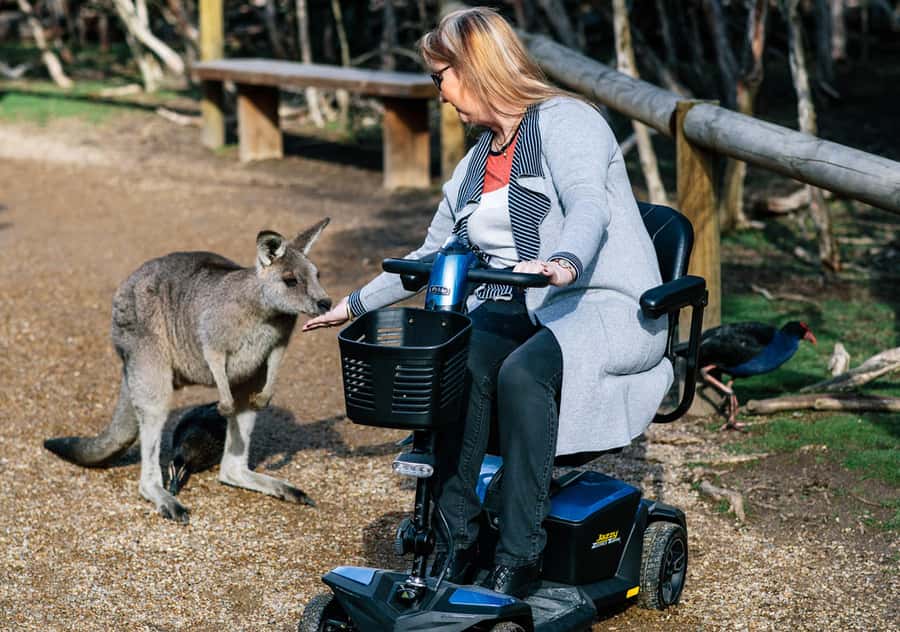
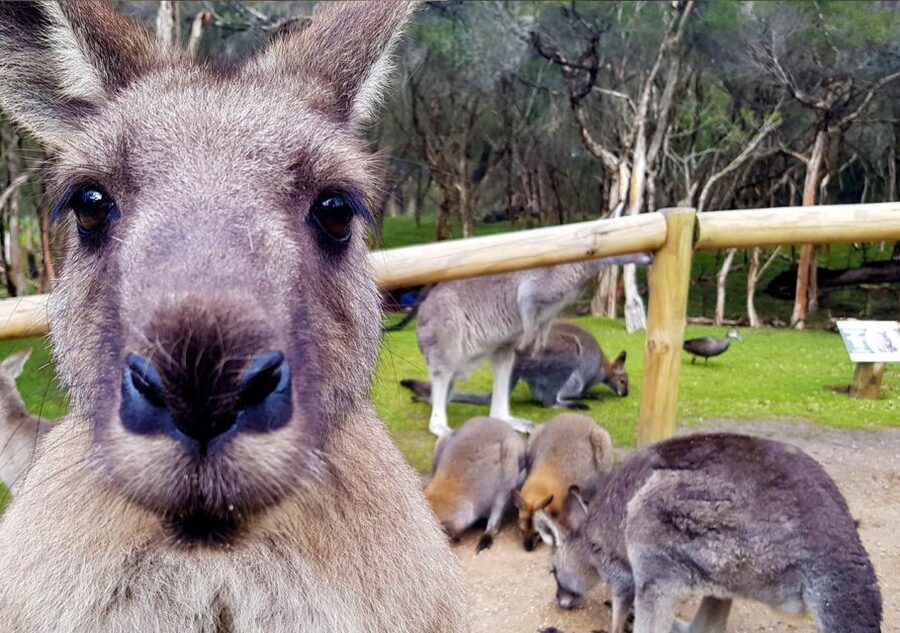
For many people, the open kangaroo and wallaby area is the heart of the visit. Around 80 kangaroos and wallabies live at the sanctuary, and many roam freely through the bush. You can get close enough to watch them at rest, observe their behavior and, with purchased food, feed them by hand.
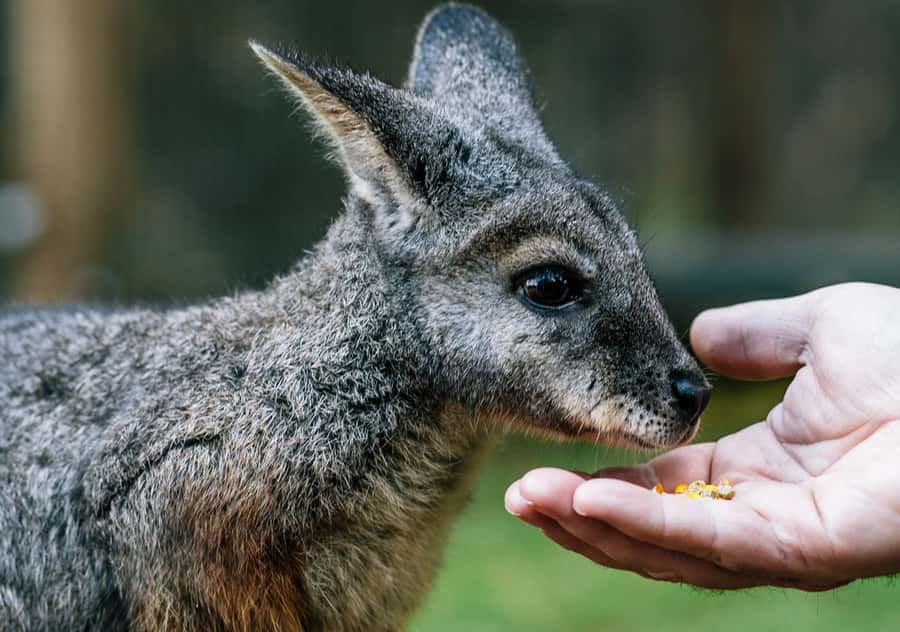
The feeding opportunity is simple but memorable. You are not just looking at an animal from several meters away. You can see the shape of a kangaroo’s hands, the way a wallaby approaches and the differences between the animals as they move around the space.
Food costs extra, reported as about $3, so bring that into your budget if feeding is important to you. It is a small additional charge compared with the main ticket, but you should not assume animal food is included.
The wallaby walkway is spacious, with room for many people. That makes the experience easier for families, even when several children are eager to get close at once. Keep a sensible distance when an animal is resting, and follow staff instructions about feeding.
A keeper talk can make this area more meaningful. One staff member, Olly, received a special mention for explaining kangaroo behavior clearly. If you catch one of the talks, listen for details about how kangaroos live and move rather than treating the area as a simple photo stop.
Koalas, wombats and the animals you cannot ignore
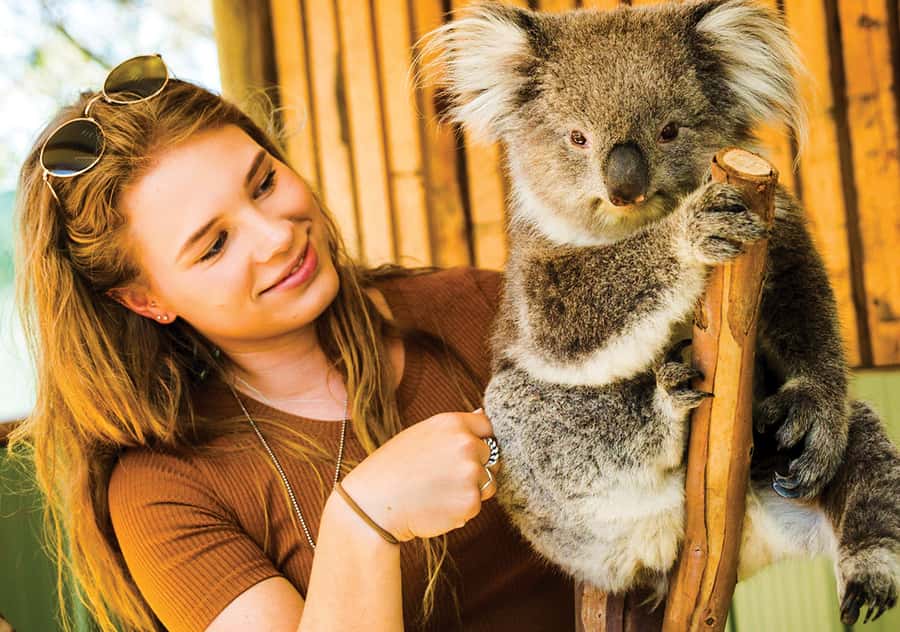
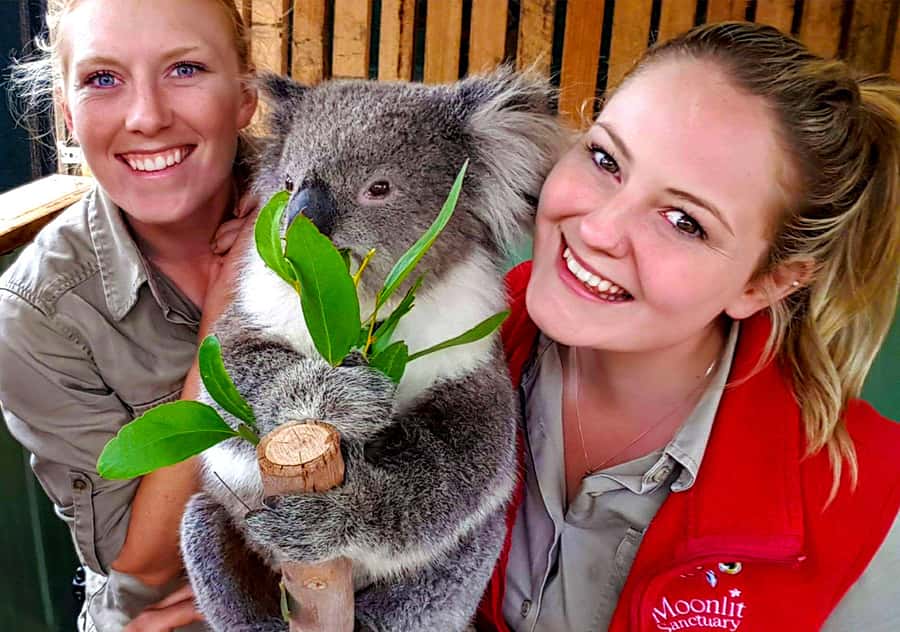
Koalas are among the sanctuary’s most popular residents, but a basic entry ticket does not automatically give you a private koala encounter. A paid koala experience may be available on site, and it has been especially popular with families. If meeting a koala is one of your main goals, ask about availability as soon as you arrive.
The same advice applies to wombat encounters. Limited time slots can fill, leaving late arrivals disappointed. The precise availability depends on the day, so you should not wait until the end of your visit if you want one of these add-ons.
The extra cost can be worthwhile if you care about a closer, more structured animal experience. It is less necessary if you are happy watching wildlife in open areas and attending the keeper talks. The standard entry already gives you plenty to see.
Beyond the headline animals, the sanctuary protects species that receive less attention in ordinary Australian wildlife displays. Look for red-bellied pademelons, southern bettongs, spot-tailed quolls and Tasmanian devils. These animals help explain why conservation parks matter: some native species need protected breeding programs and public support because their future is not secure.
You may also see dingoes, pythons, eagles, reptiles, amphibians, fish and insects. That broad range makes the visit useful for children who are fascinated by animals of every size, not only the soft and cuddly ones.
Keeper talks and Animals in Action
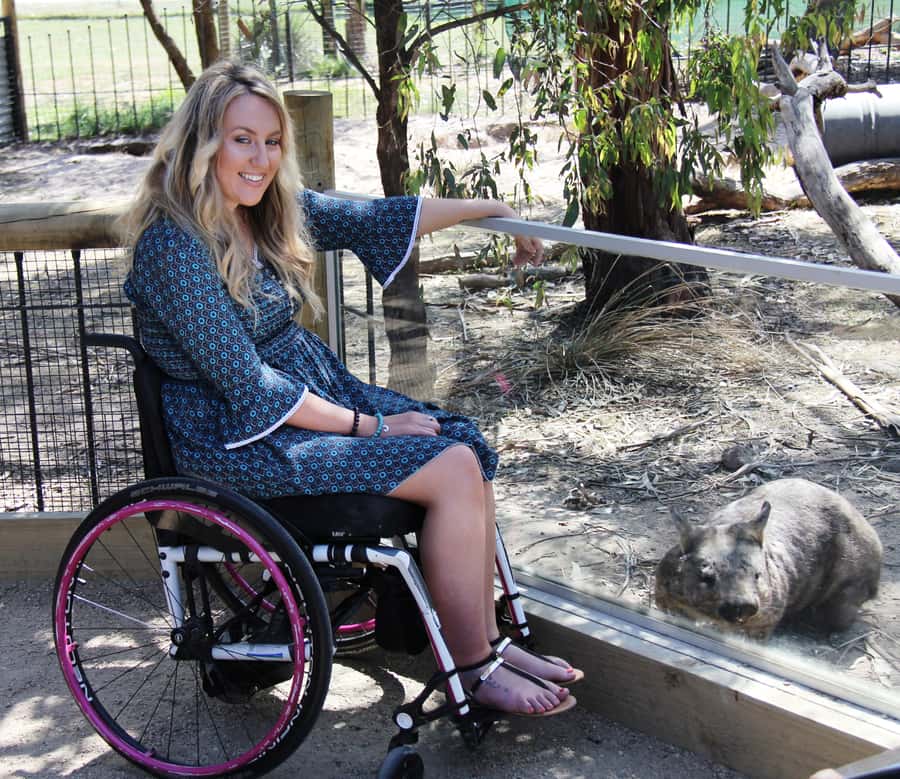
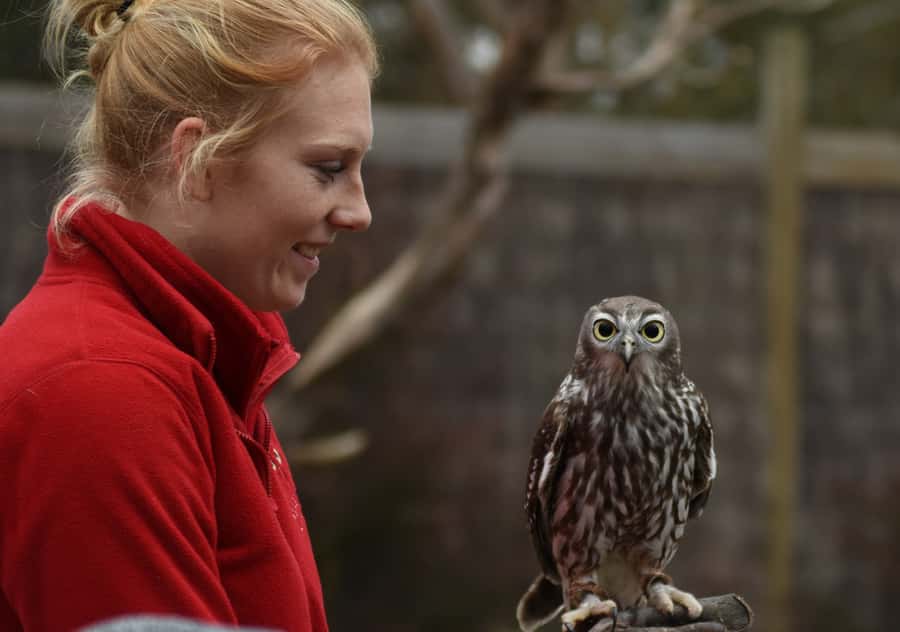
The scheduled keeper talks are worth building into your day. They give you a reason to pause and listen, and they turn a collection of animal sightings into a clearer lesson about Australian species and conservation.
The presentations cover mammals, reptiles, birds, fish, amphibians and insects. That range is helpful because it prevents the visit from becoming a parade of koalas and kangaroos. You get a better picture of how many different types of life are protected at the sanctuary.
The Animals in Action show is another strong reason to stay for the program. The show brings movement and demonstration into the day, while the talks supply the explanation. Check the daily timing when you arrive, since a one-day ticket does not mean every presentation runs at any time you choose.
The staff’s approach is one of the park’s strongest points. The talks are described as friendly, informed and focused on conservation. That is valuable for adults as well as children. You will likely leave with more than a set of animal photographs, especially if you take time to hear how keepers describe the animals in their care.
A few more Melbourne day trips worth comparing
- Melbourne Zoo: 1-Day Entry Ticket
★ 4.5 · 747 reviews - Werribee Open Range Zoo: Entry Ticket
★ 4.5 · 646 reviews - Melbourne: SEA LIFE Aquarium Entrance Ticket
★ 4.4 · 589 reviews - Melbourne: Melbourne Skydeck General Admission Entry Ticket
★ 4.6 · 386 reviews
Wetlands, parrots and endangered species
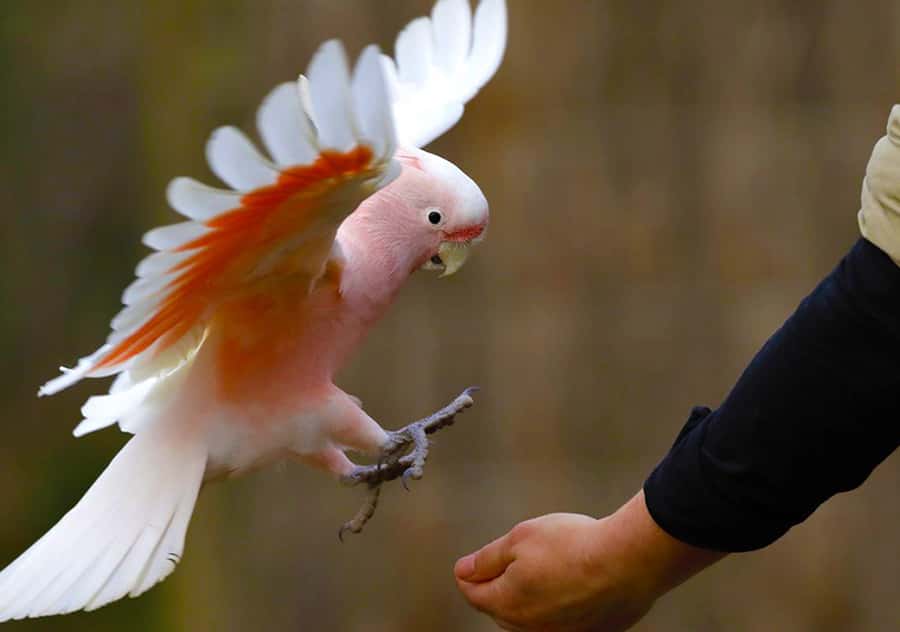
The sanctuary’s wetlands add a different mood from the open kangaroo areas. Waterbirds occupy these sections, giving you a chance to look for native birds rather than focusing only on mammals.
Colorful parrots also move through the sanctuary. The orange-bellied parrot is particularly important because it is critically endangered. You may not see every species on every visit, but the sanctuary’s work gives the bird displays a clear purpose.
The endangered species program is one of the best reasons to choose Moonlit Sanctuary over a quick animal photo stop. Red-bellied pademelons, southern bettongs, spot-tailed quolls and Tasmanian devils are not simply there to entertain you. Their presence connects the visit with breeding, protection and public education.
That conservation message is easy to overlook if you rush from one enclosure to the next. I would take time to read the signs and attend at least one presentation. The extra few minutes make the park feel more thoughtful and help you understand why lesser-known animals deserve attention.
How long to stay and how to plan your route
The ticket is valid for one day, and the park is designed for a flexible visit rather than a fixed guided route. You can move between animal areas, talks and shows at your own pace.
A practical plan looks like this:
- Arrive early if you want to feed kangaroos and wallabies before warmer weather encourages them to rest.
- Check the day’s keeper talk and show times at the start.
- Ask immediately about koala and wombat encounters.
- Visit the larger animal areas before stopping for lunch.
- Leave time for birds, reptiles, wetlands and conservation species.
- Return to favorite animals later if your schedule allows.
This approach keeps you from discovering at closing time that you missed the show or that an extra encounter was already full.
The sanctuary is about 50 minutes southeast of central Melbourne and sits on the way toward Phillip Island and its penguin attraction. That makes it a logical pairing for a longer Mornington Peninsula or Phillip Island outing, though you should be realistic about the time needed. A full sanctuary visit and another major attraction on the same day can make for a long schedule.
Parking is close to the entrance, which is useful if you are visiting with children or carrying supplies. The site is wheelchair accessible. The provided information does not promise that every path or animal area suits every mobility need, so ask staff for current route advice if that is important for your group.
Food, shade and family comfort
You will find a cafe and a gift shop on site. Food at the cafe has been described as good, and prices have been considered reasonable. That makes a longer visit easier, since you do not need to leave the park just because children are hungry.
The gift shop sells souvenirs, which can be handy if you are visiting with children who want a small reminder of the day. It is not a reason to buy the ticket, but it rounds out the visit.
Shade and resting places are useful features, especially during summer. The sanctuary can still feel hot and exposed in parts, so bring water, wear sun protection and use the shaded areas when needed. In warm weather, the best animal activity may come earlier in the day.
Families should note that children cannot attend without an accompanying adult. The close animal access is a major draw for children, but adults need to stay involved and respect staff directions around the animals.
Is the $24 entry ticket good value?

At $24 per person, the entry price is reasonable for a full day at a 10-hectare wildlife park, especially if you attend several keeper talks and the Animals in Action show. You are paying for access to more than 60 Australian species, open kangaroo and wallaby areas, conservation animals, wetlands and keeper-led presentations.
The value is strongest when you treat the sanctuary as a half-day or full-day visit. If you only have an hour and want one quick koala photograph, the ticket may feel less worthwhile. If you can stay, feed the wallabies, watch presentations and explore the less famous species, the price makes more sense.
Budget separately for food and optional encounters. Feeding food costs extra, and koala or wombat experiences are additional purchases. Those add-ons can make a family visit more special, but the standard ticket remains the core product and does not require you to buy them.
The 4.5 rating from 163 bookings reflects a consistently positive experience, with particular praise for close animal access, friendly staff, clean paths, shade and the quality of the talks. The main caution is availability for popular encounters, not the basic park visit.
Who should book Moonlit Sanctuary?
I would choose this experience if you want a practical introduction to Australian wildlife close to Melbourne. It suits families, first-time visitors to Australia, animal lovers and anyone looking for a stop before or after Phillip Island.
It is especially good for people who want interaction without giving up conservation content. You can feed kangaroos and wallabies, then spend time with endangered species and learn from keepers.
You may want to skip it if your schedule allows only a very short stop, or if you expect every animal encounter to be included in the entry price. Also check the extra encounter availability early if a wombat or koala meeting is the main purpose of your visit.
For most visitors with half a day or more, I think the $24 entry offers solid value. Book it if you want close contact with Australian animals, useful keeper talks and a relaxed outdoor setting. Add the paid encounters only when they match your interests and remain available on the day.
FAQ
Where is Moonlit Sanctuary Conservation Park?
Moonlit Sanctuary is at 550 Tyabb-Tooradin Road, Pearcedale, Victoria 3912, Australia. It is about 50 minutes southeast of central Melbourne, near the top of the Mornington Peninsula.
How long is the ticket valid?
The entry ticket is valid for one day. You can use that day to explore the sanctuary, attend keeper talks and watch wildlife presentations.
What animals can I see at Moonlit Sanctuary?
The sanctuary has more than 60 Australian species, including kangaroos, wallabies, koalas, wombats, dingoes, Tasmanian devils, eagles, pythons, parrots, waterbirds, reptiles, amphibians, fish and insects.
Can I feed the kangaroos and wallabies?
Yes. Kangaroos and wallabies roam freely in parts of the sanctuary, and you can buy food to feed them. Animal food is an additional cost, reported as about $3.
Are koala and wombat encounters included?
No. Koala and wombat encounters are optional paid experiences, separate from the entry ticket. Availability can be limited, so ask about them when you arrive.
Is Moonlit Sanctuary wheelchair accessible?
Yes. The activity is listed as wheelchair accessible.
Can children visit without an adult?
No. Unaccompanied minors are not allowed. Children must visit with an accompanying adult.
Recently added around Melbourne
- Great Ocean Road: Kayaking with Seals Tour★ 4.6 · 3 reviews
- Happy Slam Australian Open Melbourne Sports Experience★ 5.0 · 3 reviews
- Coastal Magic – Melbourne 12 Apostles & Beyond★ 4.0 · 3 reviews
- From Melbourne: Mornington Peninsula Hop-On-Hop-Off Bus★ 5.0 · 3 reviews
- Werribee Mansion & Sovereign Hill Tour★ 3.7 · 3 reviews
- Bellarine Winery: Texas BBQ Platter Lunch with Wine★ 3.0 · 3 reviews
- Great Ocean Road Private Day Tour★ 5.0 · 3 reviews
- Melbourne City & Brighton Beach Boxes Helicopter Tour★ 4.5 · 3 reviews
Healesville & Wildlife Sanctuaries, compared.
Puffing Billy & Healesville Sanctuary Scenic Tour
Read our review →
Phillip Island Penguin and Koala Highlights Day-Trip from Melbourne
Read our review →
Full-Day Phillip Island Tour with Kangaroo, Koala and Penguin Parade
Read our review →
Puffing Billy And Healesville Sanctuary Scenic Tour
Read our review →
Yarra Valley Wildlife & Wine Day Tour with Healesville Sanctuary
Read our review →
Yarra Valley Foodies Tour with Chandon and Kangaroo Safari!
Read our review →
Great Ocean Road 12 Apostles kangaroo, koala and chocolate tour
Read our review →
Browse the lists this tour appears in