
Reviewed · MELBOURNE
Old Stories of Melbourne’s Chinatown
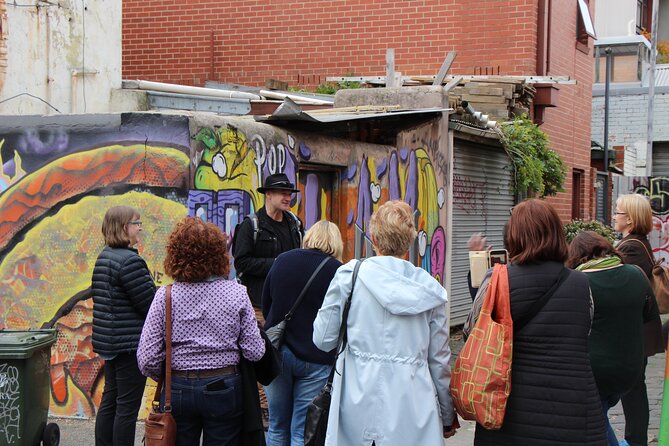
Melbourne’s Chinatown is more than a pretty row of old buildings and restaurant signs. On this two-hour walk, you trace the district’s past through original police files, crime maps, and stories of opium raids, illegal gambling, blackmail, gang conflict, and police corruption. The setting is the longest continuous Chinese settlement in the Western world, and many of its older buildings still survive.
I like the free booklet, which brings together photographs of the people discussed, police-drawn maps, and examples of confiscated gambling paraphernalia. I also like the guide’s long research period, more than 15 years spent working through the records behind these stories. The main drawback is the subject matter: this is a crime-focused history walk, not a broad introduction to Chinese food, architecture, migration, or modern Chinatown.
In This Review
- Key points about Melbourne’s Chinatown crime walk
- Why Chinatown is the right setting for these stories
- From Russell Street into a century of crime
- Opium raids, illegal gambling, and the evidence left behind
- Blackmail, gang war, riots, and police corruption
- What the two-hour itinerary gives you
- A booklet that adds value beyond the guide’s talk
- Price, group size, and practical value
- Who should book this Chinatown experience
- Cancellation and timing
- Should you book Old Stories of Melbourne’s Chinatown?
- FAQ
- Where does the tour start?
- Where does the tour finish?
- What time does the tour begin?
- How long does the experience last?
- Is a booklet included?
- What is the cancellation policy?
Key points about Melbourne’s Chinatown crime walk
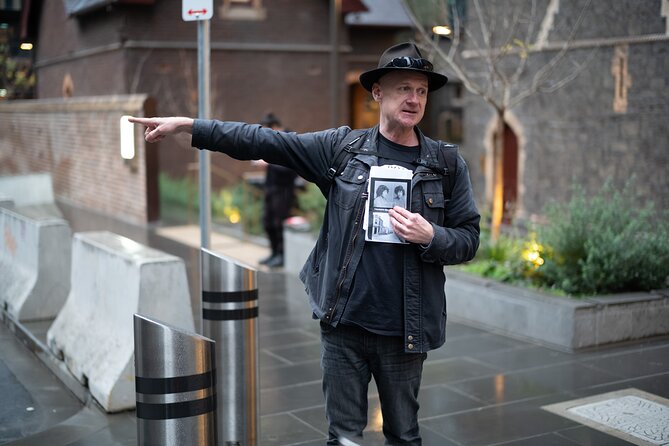
- 1850s to 1950s stories: Follow Chinatown through a century of opium, gambling, police raids, riots, and corruption.
- Original evidence: Use police-drawn crime maps, historic photographs, and confiscated gambling items to connect stories with real records.
- One central walking area: The tour stays in Melbourne’s Chinatown, beginning on Russell Street and finishing on Little Bourke Street.
- Two-hour format: The length gives the guide time to explain characters and cases without taking up a full afternoon.
- Small maximum group: No more than 25 people can join, a useful limit for a walking tour built around spoken stories and visual material.
- Afternoon start: The tour begins at 2:00 pm, leaving your morning free for Melbourne’s other sights.
Why Chinatown is the right setting for these stories
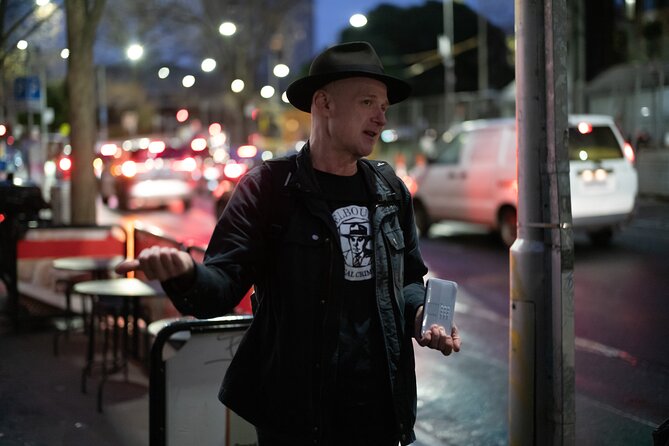
The tour takes place in Melbourne’s Chinatown, an area founded in the nineteenth century and described as the longest continuous Chinese settlement in the Western world. That fact gives the walk real weight. You are not being led through a recreated historic district or a museum room. The stories are tied to streets and buildings that still form part of central Melbourne.
A high percentage of the older buildings remain, and each one has its own past. The tour uses that surviving setting as a kind of open-air archive. As you move through Chinatown, the guide can connect the physical surroundings with the people and incidents recorded in police documents.
You should not expect every building to look exactly as it did in the 1850s or 1950s. Modern businesses and daily city life are part of the scene. That contrast is useful, though. It lets you see how an old district has changed while keeping enough of its earlier structure to make the past feel close.
The focus is not simply on Chinese settlement in Melbourne. Instead, you hear how law enforcement, vice, money, and community life intersected in this particular part of the city. That narrower subject makes the tour more distinctive than a standard orientation walk.
Other Melbourne days people pair with this one:
- Great Ocean Road Small-Group Eco Tour from Melbourne
★ 5.0 · 6,607 reviews - From Melbourne: Great Ocean Road, 12 Apostles, Wildlife Tour
★ 4.7 · 6,020 reviews - Laid back, Yarra Valley Wine Tour: Wine, Cider, Gin, Beer + Choc
★ 5.0 · 4,552 reviews
From Russell Street into a century of crime
The meeting point is 199 Russell Street, Melbourne, and the start time is 2:00 pm. From there, the walk enters the Chinatown area and begins looking back to roughly the 1850s. The advertised duration is about two hours, so you have enough time for a series of linked stories rather than a quick collection of facts.
The early period matters because it establishes Chinatown as a place shaped by migration, business, regulation, and suspicion. The tour’s source material comes from original police files, allowing the guide to present cases through the records created at the time. That does not mean every file offers a complete or neutral picture. Police reports reflect the priorities and prejudices of the people who wrote them. A good listener should keep that in mind.
Still, original records can add detail that a general history book often skips. Names, locations, raids, maps, and seized objects help turn a vague tale about old Chinatown into something more specific. You can see how authorities watched the area and how people responded to pressure.
The guide has researched Melbourne’s Chinatown through these files for more than 15 years. That long period of research is one of the tour’s strongest features. It suggests a walk built around particular cases and connections, not a quick script assembled from familiar city facts.
Opium raids, illegal gambling, and the evidence left behind
The headline subjects include opium, illegal gambling, and speakeasies. These topics can easily become sensational if presented as a string of lurid tales. Here, the free booklet and police material help keep the stories tied to evidence.
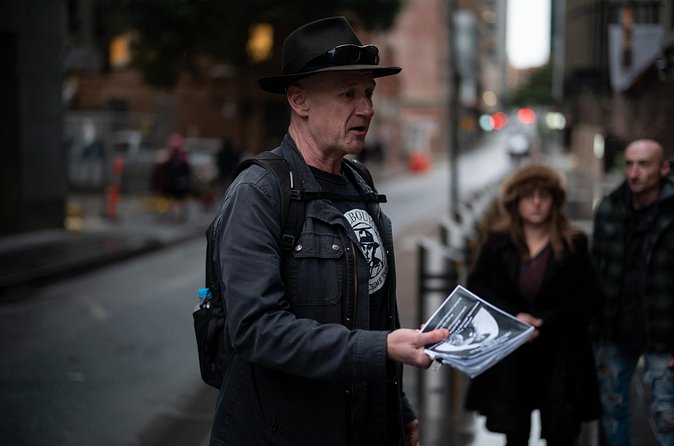
You receive a booklet with photographs of the characters discussed, original police-drawn crime maps, and other historic material. Confiscated gambling paraphernalia is also included in the presentation. These items matter because they show how the authorities tried to identify and control activities that were often hidden from public view.
A map can be especially helpful during a walking tour. It gives you a sense of where police believed incidents occurred and how the district was organized. Rather than hearing that gambling took place somewhere in old Chinatown, you can follow the geography through the source material and the streets around you.
The objects linked to gambling add a physical element to the discussion. You are not asked to picture everything from words alone. The booklet and displayed material provide something to examine while the guide explains the wider story.
The tour is not advertised as a museum visit, so the evidence is likely used to support the walk rather than replace it. If you prefer history presented through documents and objects, this format should suit you. If you want a large collection of artifacts or a formal exhibit with extensive labels, you may find the presentation more limited.
Blackmail, gang war, riots, and police corruption
The darker side of the tour goes beyond gambling and drug raids. You also hear stories involving blackmail, gang war, riots, and police corruption. These subjects show Chinatown as a place where several groups had competing interests: residents, business owners, criminal networks, police, and city authorities.
That range gives the tour more depth than a simple list of raids. Blackmail points to personal pressure and private secrets. Gang conflict shows how disputes could move beyond individual wrongdoing. Riots reveal the danger of public tension, while police corruption raises questions about how fairly the law was enforced.
These stories also help you avoid a one-sided picture of the district. Chinatown should not be reduced to crime, and the guide’s material appears designed to show the people and institutions around the cases. The historic characters in the booklet can help you keep track of who was involved.
At the same time, you should book this walk for its crime history, not for a gentle heritage stroll. The subject matter includes violence, illegal activity, and official misconduct. The tour may be fascinating, but it is not likely to feel light or cheerful throughout.
Same city, a completely different day out:
- Great Ocean Road Reverse Itinerary Boutique Tour – Max 11 Guests
★ 5.0 · 4,186 reviews - Penguin Parade, & Wildlife Encounters Eco Tour from Melbourne
★ 5.0 · 3,774 reviews - Melbourne: Yarra Valley Wine, Gin, Whisky and Chocolate Tour
★ 5.0 · 3,667 reviews - Great Ocean Road Tour w/ Deluxe Minibus & Top-Rated Guide
★ 4.8 · 2,644 reviews
What the two-hour itinerary gives you
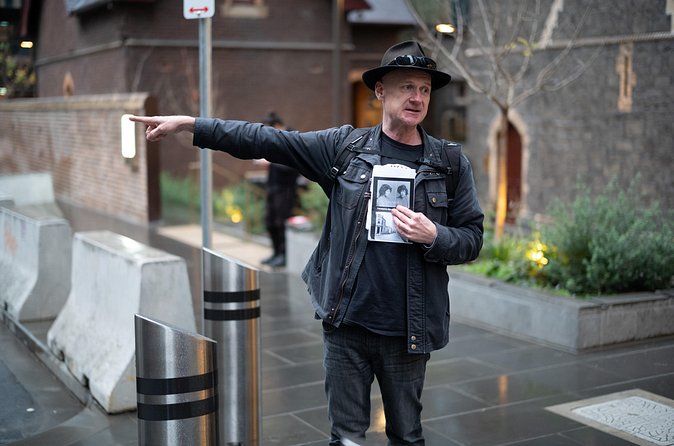
There is one listed stop, Melbourne’s Chinatown, but that does not mean the tour is static. The itinerary describes a two-hour walk through the district, beginning at Russell Street and ending at 106 Little Bourke Street. The area itself supplies the setting for the cases and buildings under discussion.
A two-hour length is a good fit for this type of experience. A shorter walk might rush through names and dates. A much longer tour could become tiring, especially when the material depends on listening closely to detailed stories.
You should plan to stay with the group and give the guide your attention. The maps, photographs, and crime cases are most useful when you can match them with the spoken explanation. This is not the kind of activity where you can wander off for food or shopping and easily pick up the thread later.
The end point on Little Bourke Street is practical. You finish in the heart of Chinatown, where you can continue exploring independently or stop for a meal. Snacks are not included, but the location makes it easy to arrange food before or after the walk. Since the tour begins at 2:00 pm, you could eat beforehand or plan an early dinner once it ends.
A booklet that adds value beyond the guide’s talk
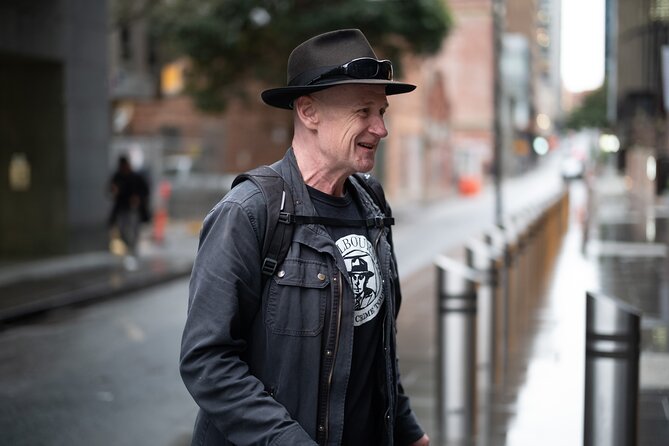
The free booklet is more than a souvenir. It gives you a visual record of the people and cases covered during the walk. Historic photographs can make unfamiliar names easier to remember, while police maps show how the authorities understood the district.
I see this as an important value point. Many walking tours rely almost entirely on the guide’s voice. If you miss a name or forget a detail, the story can disappear as soon as the tour ends. A booklet gives you something to review later, especially if you want to connect the cases with other visits around Melbourne.
The booklet also helps you follow a complicated subject. Crime stories often involve several people, locations, and police actions. Seeing faces and maps can make those links clearer than spoken narration alone.
The material is still a companion to the guide, not a replacement for the walk. You will get the most from it by looking at the pages as the relevant stories unfold. I would keep it handy during the tour and save it afterward as a reference for the Chinatown district.
Price, group size, and practical value
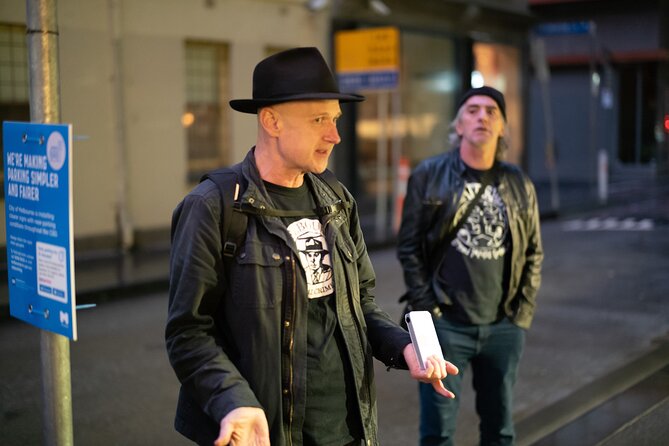
The price is $35.86 per person. For a two-hour guided walk in central Melbourne, that is a reasonable fee if you value specialist research and primary-source material. You are paying for a professional guide, a focused subject, and the booklet, not for entry to a major attraction or a meal.
The value depends on your interests. Someone who wants a general overview of Melbourne may find a broader city walk more useful. Someone curious about crime, policing, and the less polished side of local history is likely to get more from this tour than from a standard sightseeing circuit.
The group maximum is 25 people. That is not a private walk, but it is a manageable size for a street-based talk. A smaller group would make it easier to ask questions and see the booklet or objects at close range. A group of 25 can also make the walk feel less intimate, especially on busy city streets.
A mobile ticket makes arrival simple. Confirmation is provided at booking, and the meeting point is clearly given at 199 Russell Street. The tour finishes at 106 Little Bourke Street. Both points are in Melbourne and near public transportation, so you can reach the walk without arranging a special transfer.
The activity is listed as suitable for most people, and service animals are allowed. Specific surface conditions, stairs, seating, or walking distances are not provided, so you should be prepared for a normal city walking experience and contact the provider if you need details for your own mobility needs.
Who should book this Chinatown experience
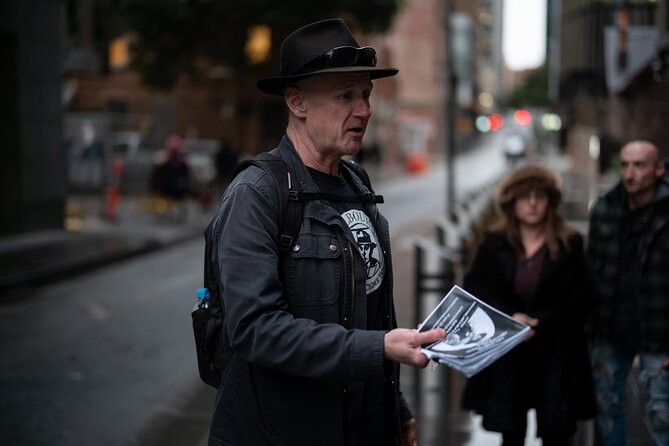
I would recommend the walk to you if you enjoy local history that deals with real people and uncomfortable subjects. It should suit visitors who have already seen Melbourne’s main sights and want a more focused look at one district.
It is also a good choice for anyone interested in police records, old maps, criminal cases, or the way cities try to regulate underground activity. The original source material gives the tour a clear purpose and helps separate it from a fictional ghost walk.
History-minded families with older children may enjoy it, though the subject matter should be considered before booking. The stories involve opium, gambling, blackmail, violence, riots, and corruption, so it may not suit younger children or anyone seeking a light afternoon activity.
You may want to skip it if your main interest is Chinese cuisine, temples, immigration history, shopping, or contemporary Chinatown. The walk takes place in that setting, but its main concern is crime and policing from the 1850s through the 1950s.
The strong rating and the available written response point to the tour’s clearest strength: the guide makes the information vivid and descriptive, helping you picture the early days of the area. That is exactly what this experience needs. A list of crimes would be dull. The value comes from connecting the cases, characters, and streets into a readable story.
Cancellation and timing
You can cancel up to 24 hours before the 2:00 pm start for a full refund. Changes or cancellations made less than 24 hours before the start are not accepted for a refund, and the cut-off uses Melbourne local time.
Because the tour is often booked about 40 days in advance, you may want to reserve it once your Melbourne plans are firm. The afternoon timing leaves the morning open, but do not schedule another activity that requires you to leave Chinatown immediately at 4:00 pm. The walking and discussion may run close to the stated two-hour duration.
Should you book Old Stories of Melbourne’s Chinatown?
Book it if you want a concentrated, evidence-based walk through Chinatown’s criminal past. The 15 years of police-file research, historic maps, photographs, and gambling objects give the experience a stronger foundation than a generic tale about old Melbourne.
Skip it if you want a food tour, a broad Chinatown introduction, or a relaxed architecture walk. For the right audience, $35.86 buys a focused two hours, a professional guide, and material you can keep using after the tour. The best reason to go is simple: you will see a familiar city district through the cases, characters, and official records that shaped its past.
FAQ
Where does the tour start?
The tour starts at 199 Russell Street, Melbourne VIC 3000, Australia.
Where does the tour finish?
The tour ends at 106 Little Bourke Street, Melbourne VIC 3000, Australia.
What time does the tour begin?
The tour begins at 2:00 pm.
How long does the experience last?
The tour lasts approximately two hours.
Is a booklet included?
Yes. You receive a free tour booklet with photographs of the people discussed, original police-drawn maps, and other historic material. Confiscated gambling paraphernalia is also part of the evidence used during the experience.
What is the cancellation policy?
You can cancel at least 24 hours before the local start time for a full refund. Cancellations or changes made less than 24 hours before the start are not accepted for a refund.
Recently added around Melbourne
- Great Ocean Road: Kayaking with Seals Tour★ 4.6 · 3 reviews
- Happy Slam Australian Open Melbourne Sports Experience★ 5.0 · 3 reviews
- Coastal Magic – Melbourne 12 Apostles & Beyond★ 4.0 · 3 reviews
- From Melbourne: Mornington Peninsula Hop-On-Hop-Off Bus★ 5.0 · 3 reviews
- Werribee Mansion & Sovereign Hill Tour★ 3.7 · 3 reviews
- Bellarine Winery: Texas BBQ Platter Lunch with Wine★ 3.0 · 3 reviews
- Great Ocean Road Private Day Tour★ 5.0 · 3 reviews
- Melbourne City & Brighton Beach Boxes Helicopter Tour★ 4.5 · 3 reviews